Table of Contents
- 10 Questions Businesses Ask When a Major Customer Relationship Breaks Down
- 1. Is This Just A Business Problem Or An Actual Legal Dispute?
- 2. What Does The Contract Actually Require Right Now?
- 3. Has There Been A Material Breach, Or Just Friction In Performance?
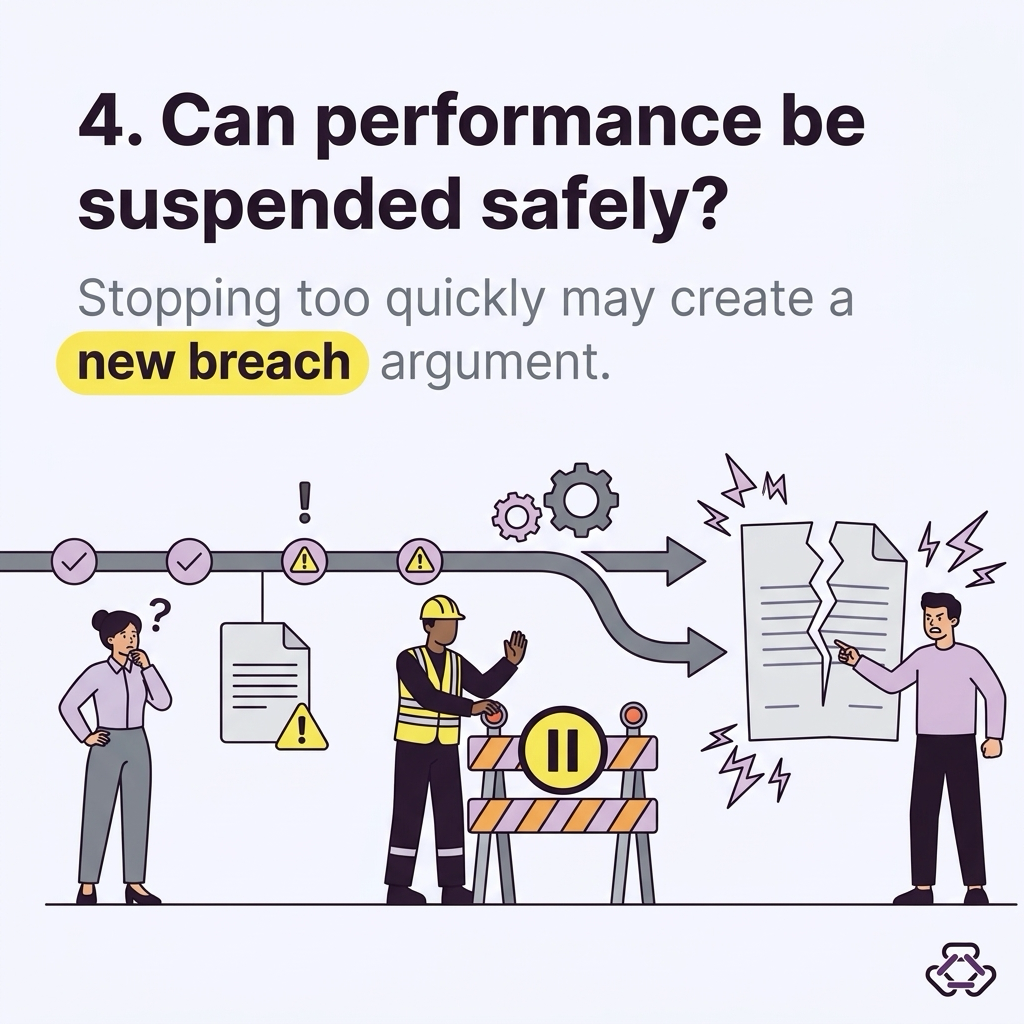
- 4. Can We Stop Performing If The Customer Stops Paying Or Keeps Changing The Deal?
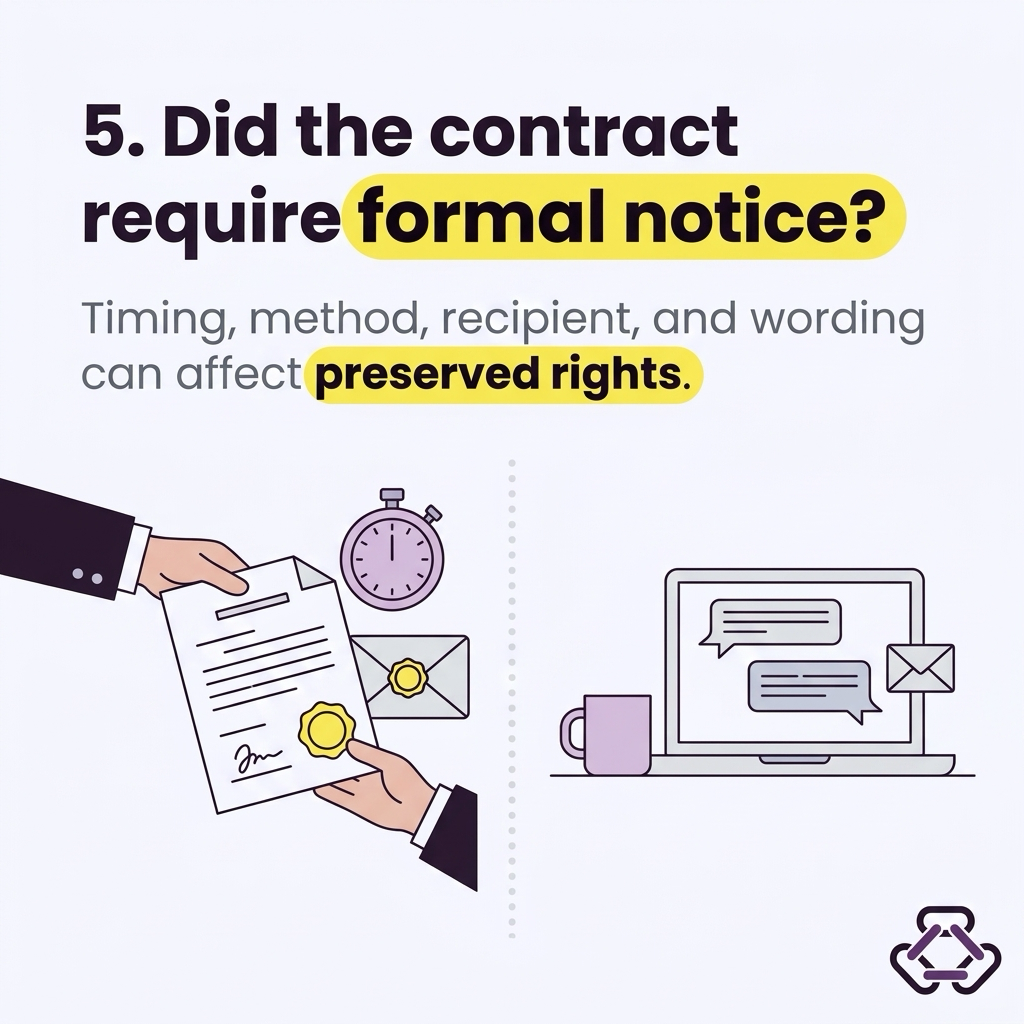
- 5. Do We Have To Give Notice Before We Escalate?
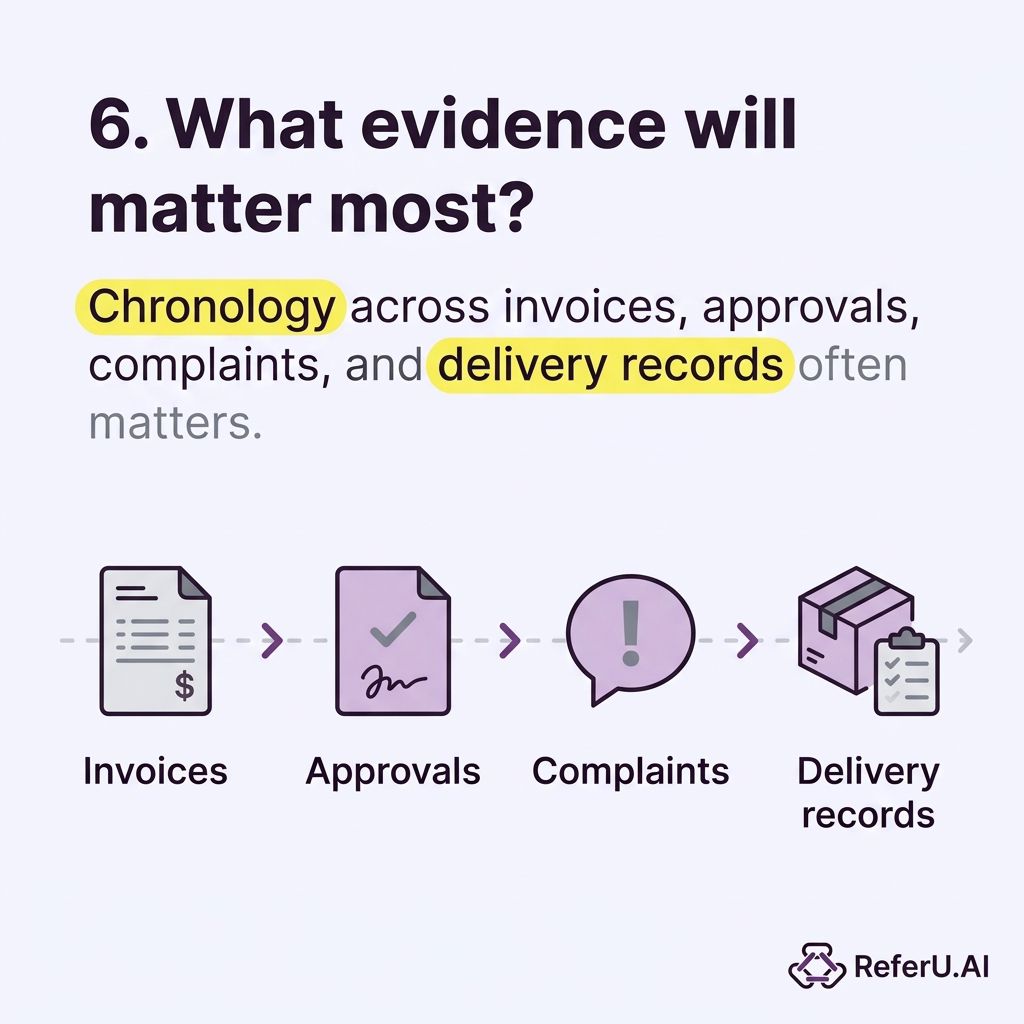
- 6. What Evidence Will Matter If This Turns Into A Claim Or Defense?
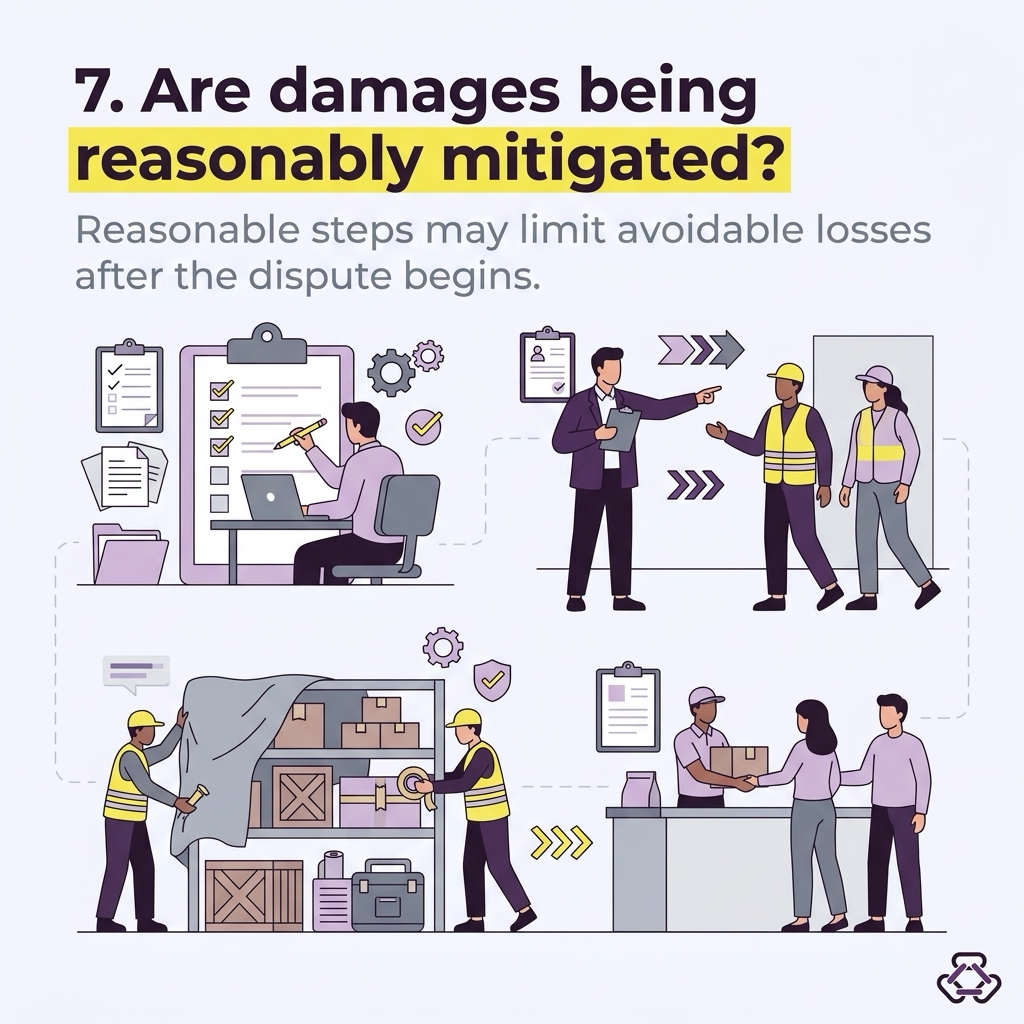
- 7. Are We Required To Mitigate Damages?
- 8. Could The Customer’s Conduct Trigger Claims Beyond Simple Nonpayment?
- 9. Is Litigation Inevitable, Or Are There Other Ways To Resolve This?
- 10. How Do We Find The Right Attorney For A Customer Dispute Like This?
- Final Thoughts

Type
Great Grandchild
Status
Approved
Title (YouTube)
Images Failed (Social)
Images Failed (Social)
Do not index
Publish Date (TikTok)
Jan 5, 2027 08:15
Videos Post IDs (Social)
Hashtags (Social)
#LegalAdvice #LegalHelp #BusinessLitigation #CustomerClientDisputes
Caption
Caption X
Cover

OG Image

Alt Image Text
Flat vector illustration of a major customer relationship breakdown with contract, invoices, payment dispute, and legal tension, representing a business dispute attorney topic.
Images

Videos
Publish Date (Social)
Dec 16, 2026 06:30
Scheduled (Social)
Scheduled (Social)
Images Posted (Social)
Images Posted (Social)
Videos Posted (Social)
Videos Posted (Social)
Videos Failed (Social)
Videos Failed (Social)
Featured
Created time
Apr 3, 2026 10:13 PM
Sub-item
Authors
CTA Practice Area (Social)
Business Litigation
TikTok Failed (Social)
TikTok Failed (Social)
Videos Post Links (Social)
YT Auto Captions Removed
TikTok Post Links (Social)
Images Post IDs (Social)
YT Post ID
Video Pending Manual (Social)
TikTok Posted (Social)
TikTok Posted (Social)
TikTok Post IDs (Social)
Video Cover (Social)
Images Post Links (Social)
First Comment (Social)
YT Embedded
Images Delete (Social)
Videos Delete (Social)
Carousel Video URL (Social)
10 Questions Businesses Ask When a Major Customer Relationship Breaks Down
When a major customer relationship starts falling apart, the legal issue rarely arrives all at once. It often begins with delayed payments, disputed invoices, change requests, missed deliverables, quality complaints, or tense emails that suddenly sound like they were written for a courtroom instead of a project thread.
That uncertainty can be especially difficult for businesses because one damaged customer relationship may affect revenue, staffing, forecasting, vendor commitments, and reputation at the same time. The U.S. Small Business Administration’s Office of Advocacy reports that 99.9% of U.S. businesses are small businesses, and they employ 45.9% of American workers, which helps explain why contract breakdowns can have consequences well beyond a single unpaid account (SBA Office of Advocacy).
In this post you’ll learn the 10 questions businesses commonly ask when a major customer relationship breaks down, what those questions often mean in practical terms, and where a business dispute attorney may help bring clarity before the problem gets more expensive.
If you want broader background on how these disputes tend to develop, this overview of business fights over scope, payment, performance, and termination may help frame the bigger picture.
Scroll to the bottom for every post in this series.
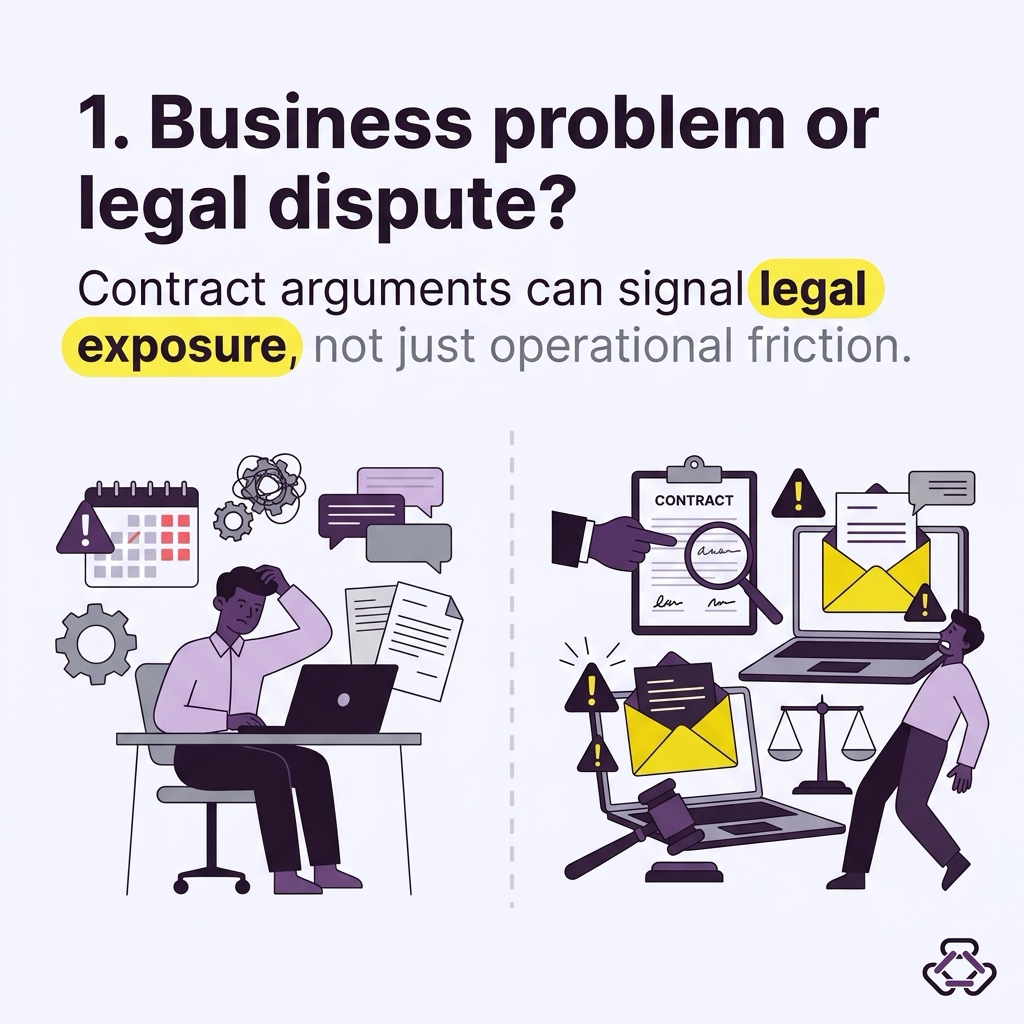
1. Is This Just A Business Problem Or An Actual Legal Dispute?
This is usually the first question, and it often comes up earlier than people expect.
A strained relationship does not automatically equal a lawsuit. In many cases, the early stage looks more like a business operations problem: invoices are aging, the customer is reinterpreting the scope, key stakeholders are no longer aligned, or someone on the customer side is using “concerns” as leverage for renegotiation.
But a business problem can begin turning into a legal dispute when there is a disagreement over contract obligations, performance standards, payment terms, acceptance, termination rights, or damages. In sales-of-goods disputes, the Uniform Commercial Code includes detailed rules on rejection, acceptance, notice of breach, adequate assurance, anticipatory repudiation, and excuse of performance (Cornell Legal Information Institute).
Here’s what this often means in practice: the moment both sides start arguing about what the contract required — rather than simply how to finish the work — legal exposure may already be part of the conversation.
An attorney might help determine whether the issue is still mainly commercial and negotiable, or whether the facts are already lining up around breach, defense, or counterclaim themes.
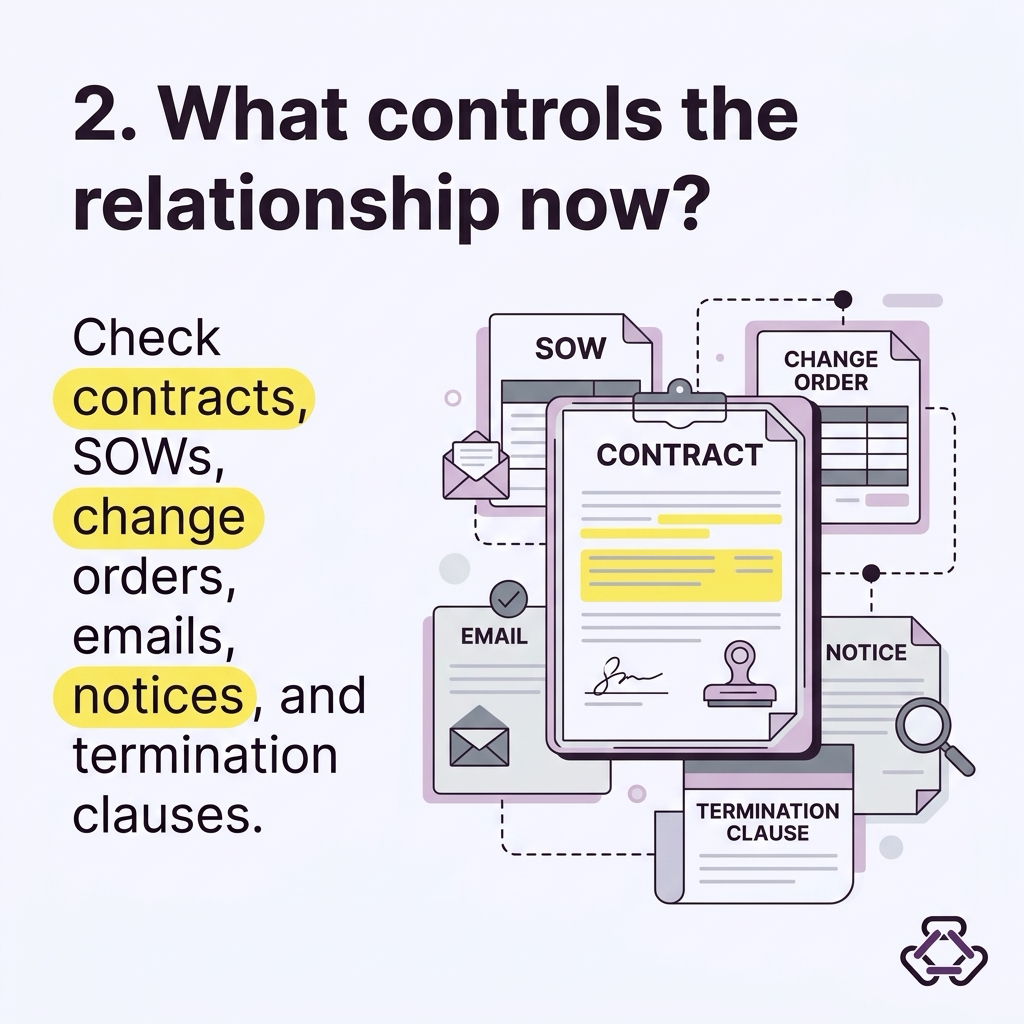
2. What Does The Contract Actually Require Right Now?
When a major customer relationship deteriorates, businesses often discover that everyone has been operating from assumptions instead of the full agreement.
That is why one of the most important early questions is not “Who’s right?” but “What documents control?”
In general terms, that may include:
- The master services agreement or customer contract
- Statements of work
- Change orders
- Purchase orders
- Renewal language
- Service-level commitments
- Acceptance procedures
- Email amendments or side agreements
- Notice provisions
- Termination clauses
- Limitation-of-liability clauses
- Forum selection, arbitration, or mediation provisions
In some disputes, the written contract says one thing while the actual working relationship says another. For example, a project may have expanded over months through email approvals and informal requests. A customer may treat that extra work as included. The vendor may treat it as out-of-scope. That gap is where many expensive disputes begin.
If the breakdown involves shifting project requirements or undocumented approvals, a more focused discussion about getting your statements of work and change history in order can be useful, especially before formal demand letters start circulating.
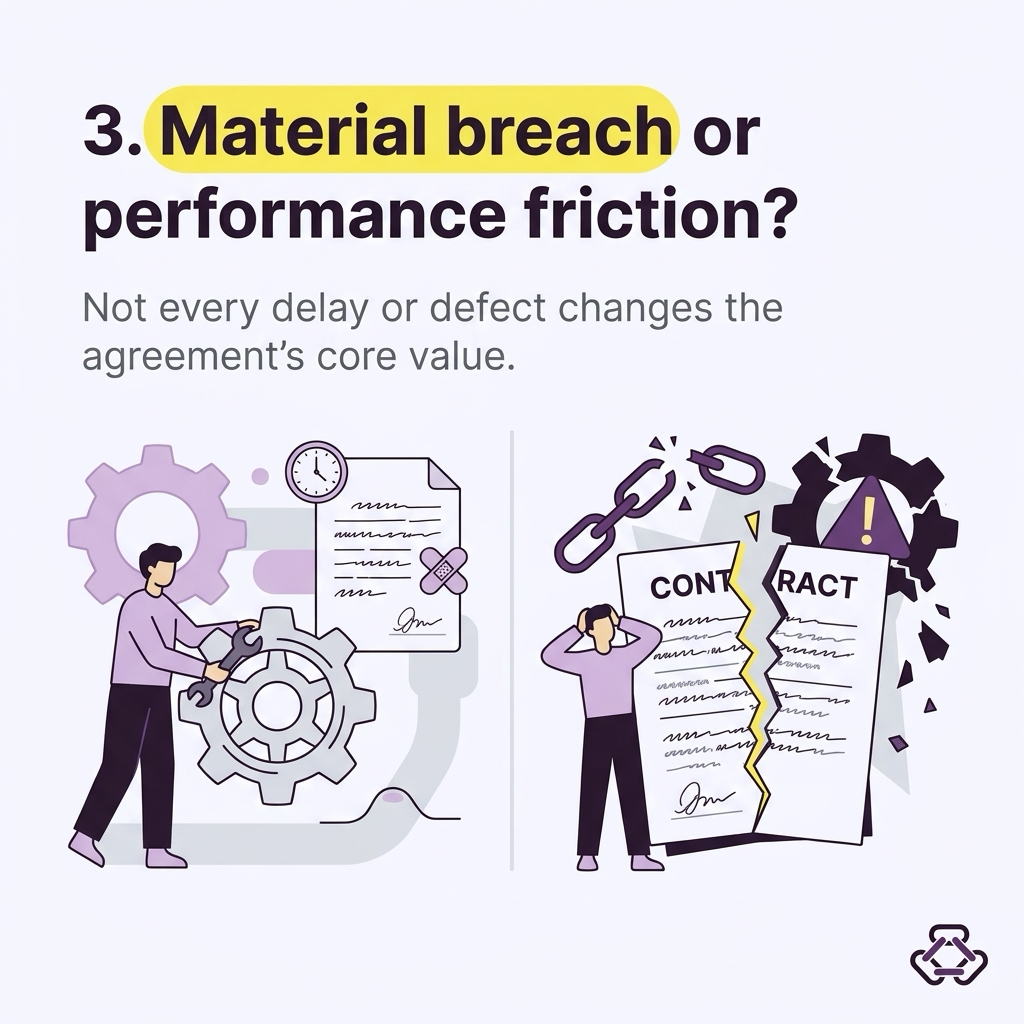
3. Has There Been A Material Breach, Or Just Friction In Performance?
Not every mistake, delay, or complaint is a “material breach.”
Businesses often ask this question because the answer affects leverage. A customer may say your company failed to perform. Your company may view the issue as minor, curable, or caused by the customer’s own conduct. The legal difference matters.
A material breach is generally the kind of alleged failure serious enough to affect the core value of the agreement. By contrast, ordinary friction may involve delayed cooperation, disputed milestones, small defects, approval bottlenecks, or performance issues that can still be corrected.
This question becomes especially important when one side wants to suspend payment, terminate the relationship, hire a replacement provider, or threaten litigation. In goods transactions, the UCC separately addresses rejection, revocation of acceptance, and notice of breach, which shows how much legal significance can attach to timing and the buyer’s response after delivery (Cornell Legal Information Institute).
An attorney may help sort out whether the facts support:
- breach by the customer,
- breach by the provider,
- breach by both sides,
- waiver,
- cure,
- or a dispute that remains primarily evidentiary.
4. Can We Stop Performing If The Customer Stops Paying Or Keeps Changing The Deal?
This is one of the most common — and most dangerous — questions in a commercial dispute.
From a business perspective, continuing to perform for a nonpaying or hostile customer may feel unreasonable. From a legal perspective, stopping performance too quickly may create a new argument that your company breached first.
The answer usually depends on the agreement, the governing law, and the exact sequence of events. Contract language about suspension rights, cure periods, milestones, acceptance, and termination may matter a great deal. In goods transactions, UCC section 2-609 recognizes a right to seek adequate assurance of performance when reasonable grounds for insecurity arise, and section 2-610 addresses anticipatory repudiation (Cornell Legal Information Institute).
In plain English, if the other side’s conduct raises real doubt about whether they will perform, there may be legal mechanisms short of immediately walking away. Some businesses use structured written notices to clarify whether payment, cooperation, or future performance is actually forthcoming.
If the core problem is nonpayment mixed with accusations about your work, it may help to review a practical guide on responding when a client refuses to pay and says your company failed to perform.
5. Do We Have To Give Notice Before We Escalate?
Often, yes — or at least the contract may say something very close to that.
Commercial agreements commonly require formal notice before suspension, termination, indemnity claims, dispute escalation, or invocation of contract defenses. Notice provisions can cover timing, delivery method, recipients, addresses, and the content of the notice itself.
That detail is not just procedural. It can influence whether a claim or defense is preserved. A practical discussion from Crowell & Moring on force majeure and business interruption highlights how contracts may require notice at the right time, to the right people, using the right procedure, and notes that failure to comply may weaken a party’s position later (Crowell & Moring).
Even outside force majeure disputes, the same lesson often applies: contracts reward disciplined paper trails.
Some businesses send an angry email and assume notice has been given. But if the contract calls for formal written notice to a legal department or registered address, the casual email may not carry the weight the sender expected.
An attorney might help draft a notice that preserves options without unnecessarily inflaming the dispute.
6. What Evidence Will Matter If This Turns Into A Claim Or Defense?
By the time businesses ask this question, valuable evidence is often scattered across inboxes, Slack messages, shared drives, billing systems, CRM notes, and project management tools.
The evidence that tends to matter most includes:
- The signed contract and all amendments
- Statements of work and change orders
- Invoices and payment history
- Delivery records
- Approval messages
- Performance complaints
- Meeting notes
- Internal escalation emails
- Screenshots from project systems
- Termination or threat emails
- Records showing mitigation efforts
- Proof of customer-caused delay or interference
Crowell & Moring also emphasizes documenting impacts, mitigation efforts, allocation decisions, indications that a counterparty may not perform, and damages caused by nonperformance or failure to mitigate (Crowell & Moring).
That matters because contract disputes are often won or lost on chronology. The business that can show who asked for what, when it changed, who approved it, what was delivered, when concerns were raised, and how the other side responded may be in a stronger position to negotiate from evidence instead of emotion.
This is also where routine document disorder becomes expensive. If your company is trying to reconstruct the project after the relationship has already collapsed, it may help to look at common contract-management mistakes that make collection or defense harder.
7. Are We Required To Mitigate Damages?
Businesses often hear this phrase from lawyers and wonder what it really means.
In general terms, mitigation refers to taking reasonable steps to limit avoidable harm after a contract problem arises. Crowell & Moring notes that the party unable to perform generally owes a duty to act reasonably to mitigate the extent and duration of nonperformance, and that the counterparty may also be expected to mitigate damages as best it reasonably can (Crowell & Moring).
Here’s what that often looks like in the real world:
- Looking for substitute customers or substitute suppliers
- Avoiding unnecessary additional work after a clear payment default
- Preserving inventory or project materials
- Reassigning staff where possible
- Limiting duplicate costs
- Communicating promptly instead of letting losses snowball
- Documenting efforts to reduce downstream damage
Mitigation does not necessarily mean surrendering your contract rights. It usually means the law may look at whether losses grew larger because practical steps were ignored.
This question often becomes central when one side seeks lost profits, chargebacks, completion costs, or offset claims.
8. Could The Customer’s Conduct Trigger Claims Beyond Simple Nonpayment?
Sometimes the dispute is not only about an unpaid invoice.
A customer relationship breakdown may involve allegations such as:
- wrongful termination,
- interference with operations,
- misuse of confidential information,
- chargeback abuse,
- refusal to return property,
- disparagement,
- poaching employees,
- misuse of software or data,
- or deceptive sales and billing accusations.
Depending on the facts, the dispute may extend beyond a straightforward breach-of-contract theory. At the same time, businesses often have to think about how their own communications, invoices, sales representations, and fee disclosures will look under scrutiny. The Federal Trade Commission’s business guidance explains that it provides plain-language resources to help businesses understand legal responsibilities and comply with the law, including guidance on deceptive or unfair practices in commercial conduct and marketing (FTC Business Guidance).
That does not mean every customer dispute becomes a regulatory issue. It does mean that when a relationship breaks down, businesses often discover that contract risk, billing risk, data risk, and messaging risk are all connected.
An attorney may help separate a simple collections matter from a broader dispute that involves counterclaims or business tort exposure.
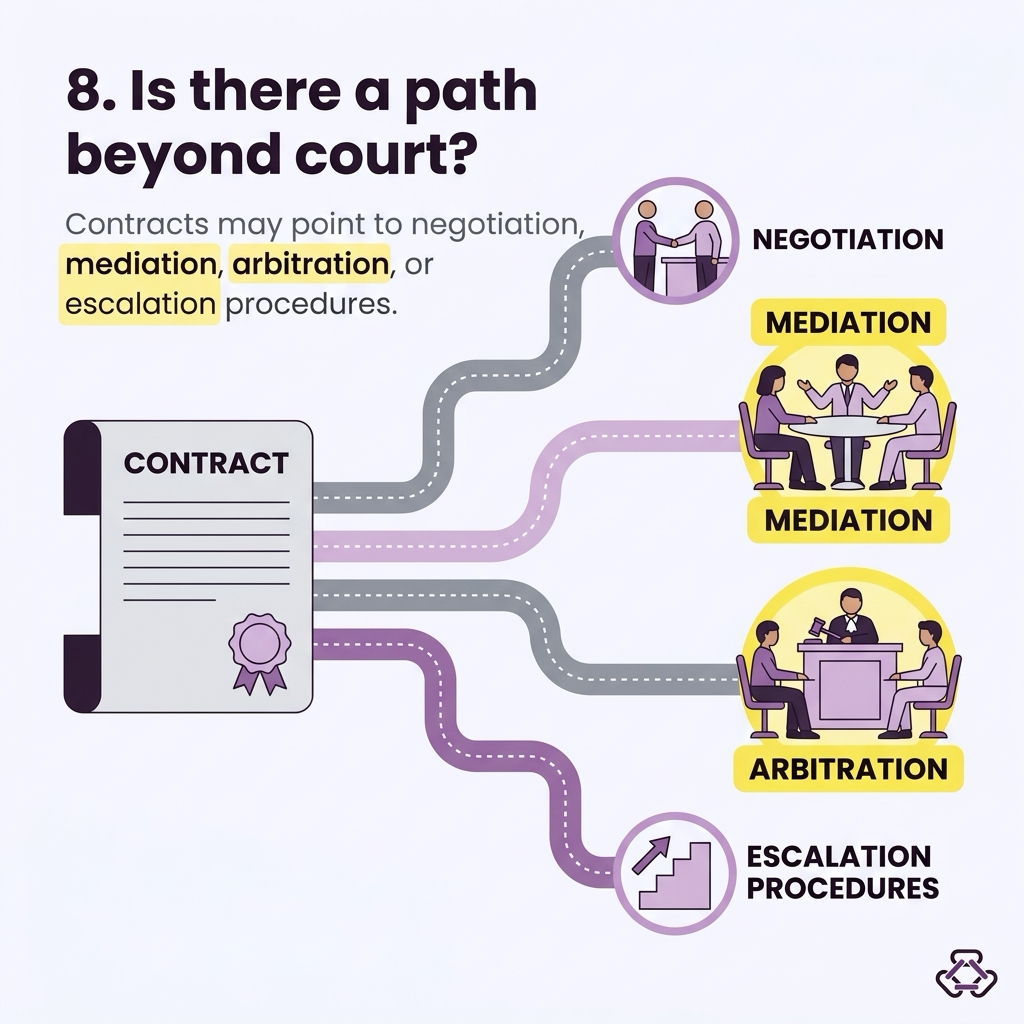
9. Is Litigation Inevitable, Or Are There Other Ways To Resolve This?
A lot of companies assume that once lawyers are involved, a lawsuit is next. In reality, many commercial disputes resolve through structured negotiation, mediation, contract-based escalation, or private arbitration.
The contract may already answer part of this question through:
- mediation requirements,
- arbitration clauses,
- forum selection clauses,
- governing law provisions,
- fee-shifting language,
- or executive-escalation procedures.
The American Bar Association’s dispute resolution programming regularly highlights arbitration and other ADR processes as alternatives businesses and attorneys evaluate when drafting and enforcing commercial agreements (American Bar Association).
In practical terms, early legal analysis sometimes changes the path of the dispute. A well-supported position letter, a preservation notice, a targeted settlement discussion, or a mediation proposal may resolve the problem without full litigation. In other situations, the legal and factual record may suggest that a stronger formal response is appropriate.
The key issue is often not whether litigation is “good” or “bad,” but whether the business understands the pressure points before choosing its next move.
10. How Do We Find The Right Attorney For A Customer Dispute Like This?
This may be the most important question of all, because customer disputes are highly fact-specific. A software implementation dispute is different from a manufacturing supply dispute. A franchise customer conflict is different from a professional services nonpayment case. A high-value account termination with cross-border issues is different from a local collections fight dressed up as a performance dispute.
Some businesses start with whoever handled company formation or routine contract drafting. That can work in some situations, but larger revenue-critical disputes often call for counsel with documented experience in highly similar matters — not just general business law knowledge.
When a customer relationship breaks down, businesses often want an attorney who can evaluate:
- contract interpretation,
- notice requirements,
- breach and defense theories,
- emergency business risks,
- damages and offsets,
- forum and venue,
- settlement leverage,
- and evidentiary weaknesses.
A more tailored attorney search may be especially useful when the stakes involve a major account, a threatened termination, disputed deliverables, or a meaningful share of annual revenue. In situations like that, objective fit can matter more than marketing claims.
Final Thoughts
A major customer relationship breakdown can feel chaotic because legal, financial, and operational problems tend to appear at the same time. But the early questions are often surprisingly consistent:
- Is this a legal dispute yet?
- What does the contract require?
- Is the alleged breach material?
- Can performance be suspended?
- Was formal notice required?
- What evidence will matter?
- Are damages being mitigated?
- Are there claims beyond nonpayment?
- Is court the only path?
- Who has relevant experience handling disputes like this?
In general terms, the earlier a business gets clear answers to those questions, the more options it may have for protecting revenue, preserving evidence, and reducing avoidable damage.
Visit ReferU.AI to get matched with an attorney who has demonstrable experience in cases like yours — for free.
