Table of Contents
- 7 Franchise Dispute Mistakes That Increase Exposure Fast
- Why Exposure Can Escalate Quickly In Franchise Conflicts
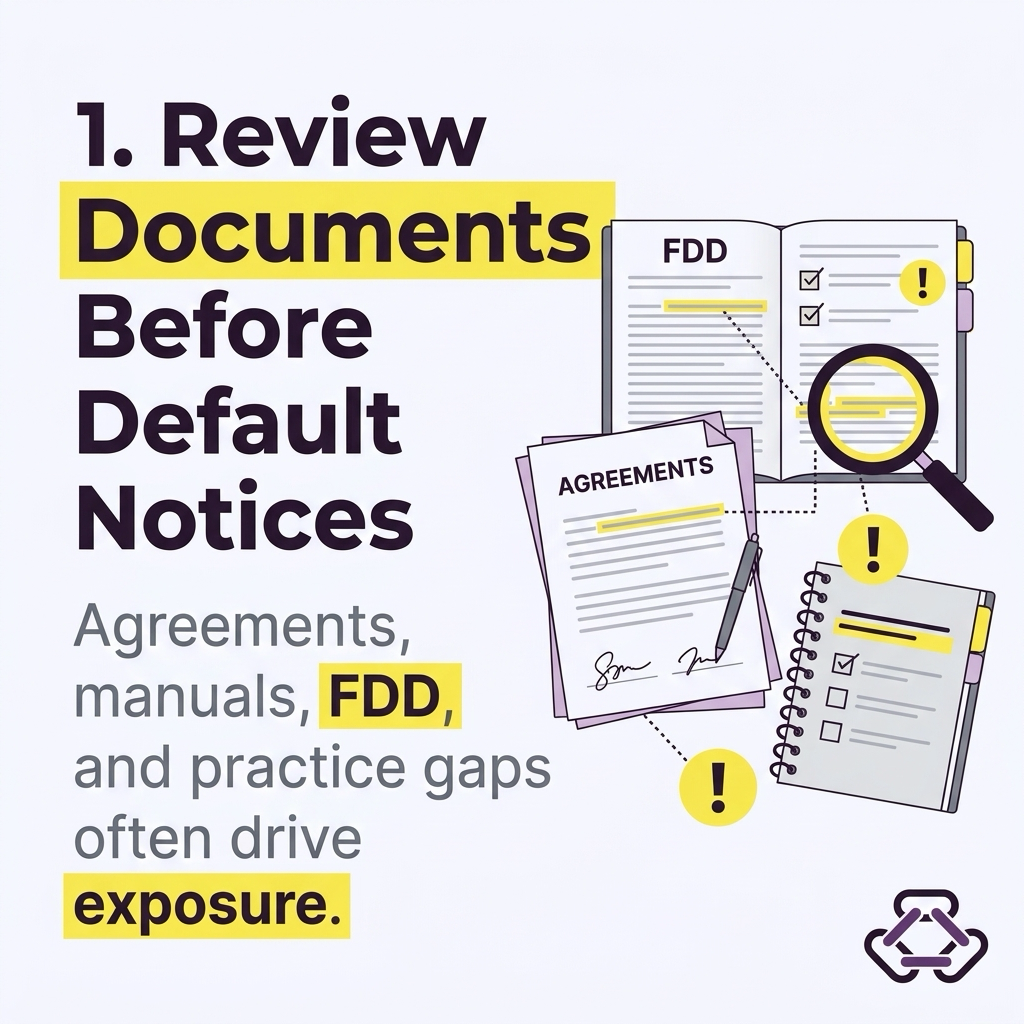
- 1. Ignoring The Governing Documents Until After A Default Notice Arrives
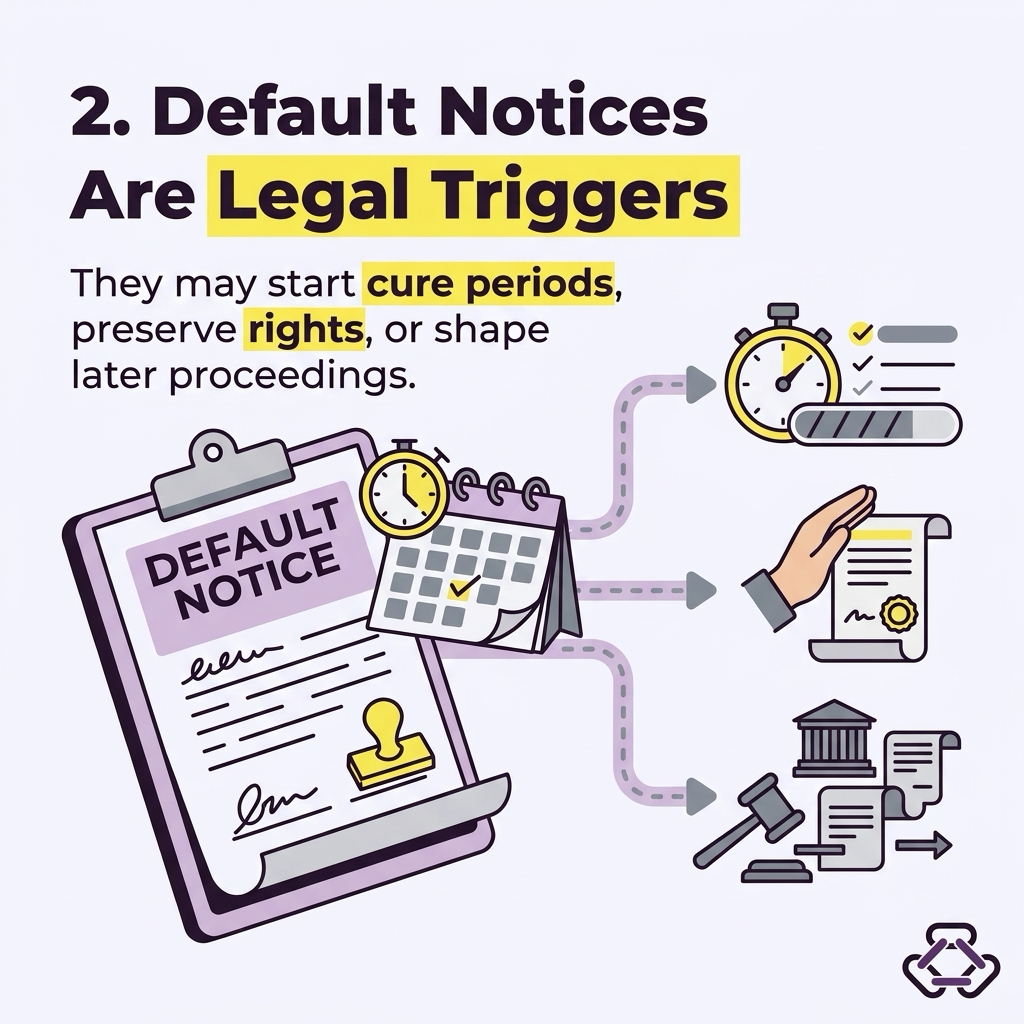
- 2. Treating A Default Notice Like A Negotiation Opening Instead Of A Legal Trigger
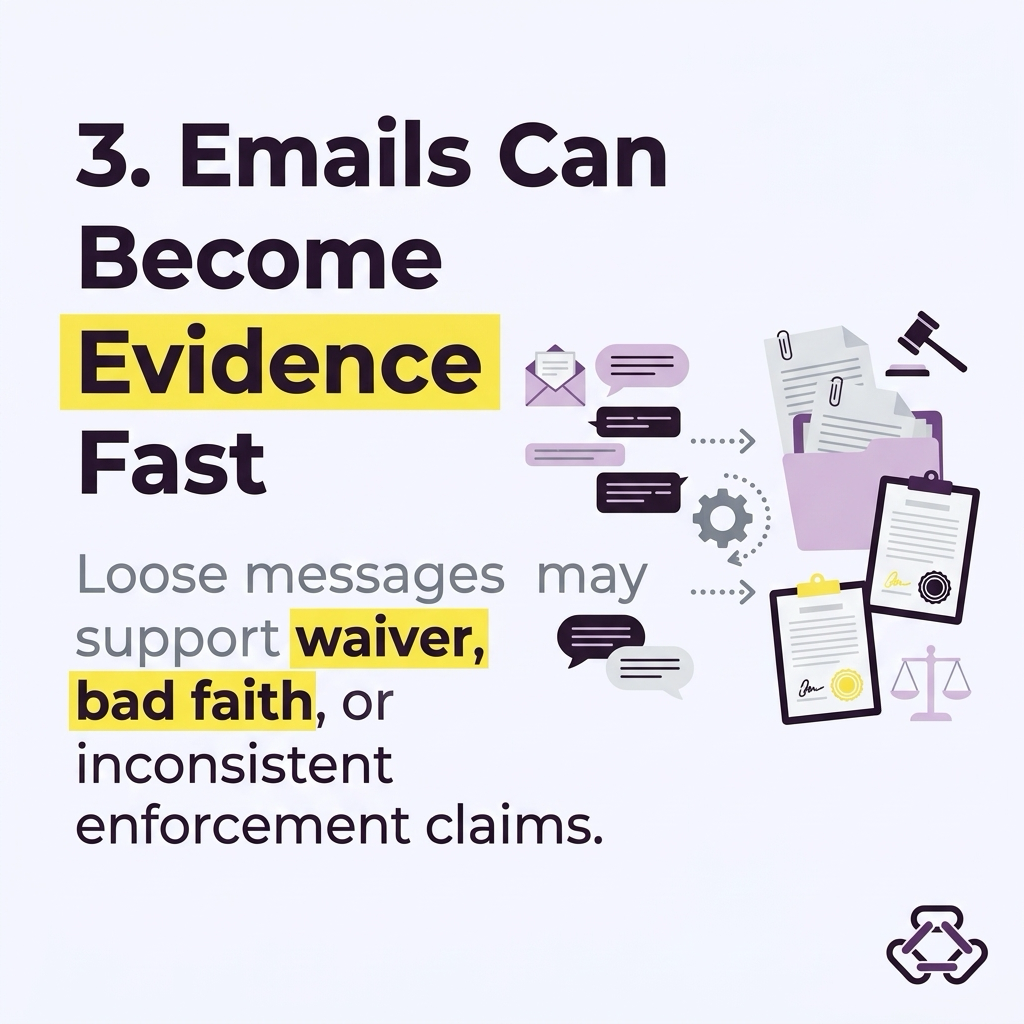
- 3. Putting Too Much In Writing Without A Strategy
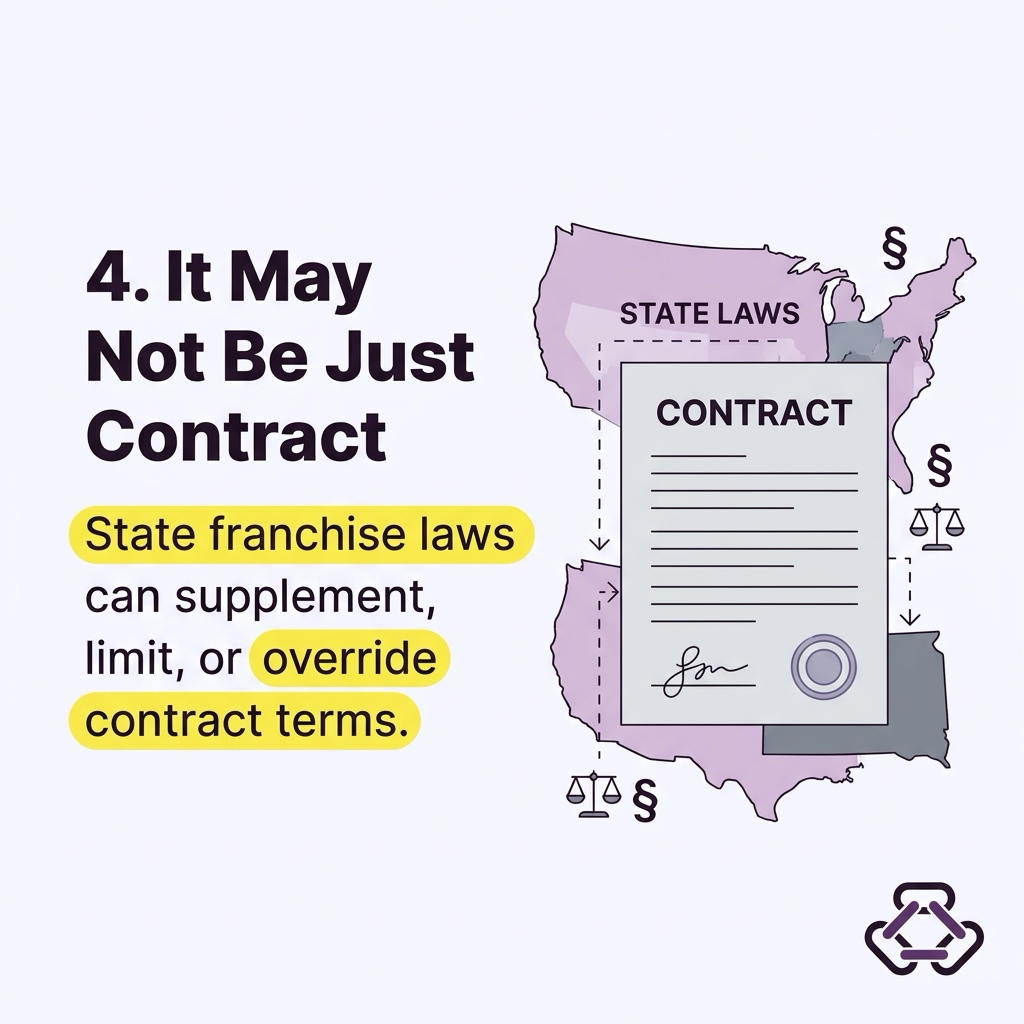
- 4. Assuming The Dispute Is “Just Contract” And Overlooking State Franchise Protections
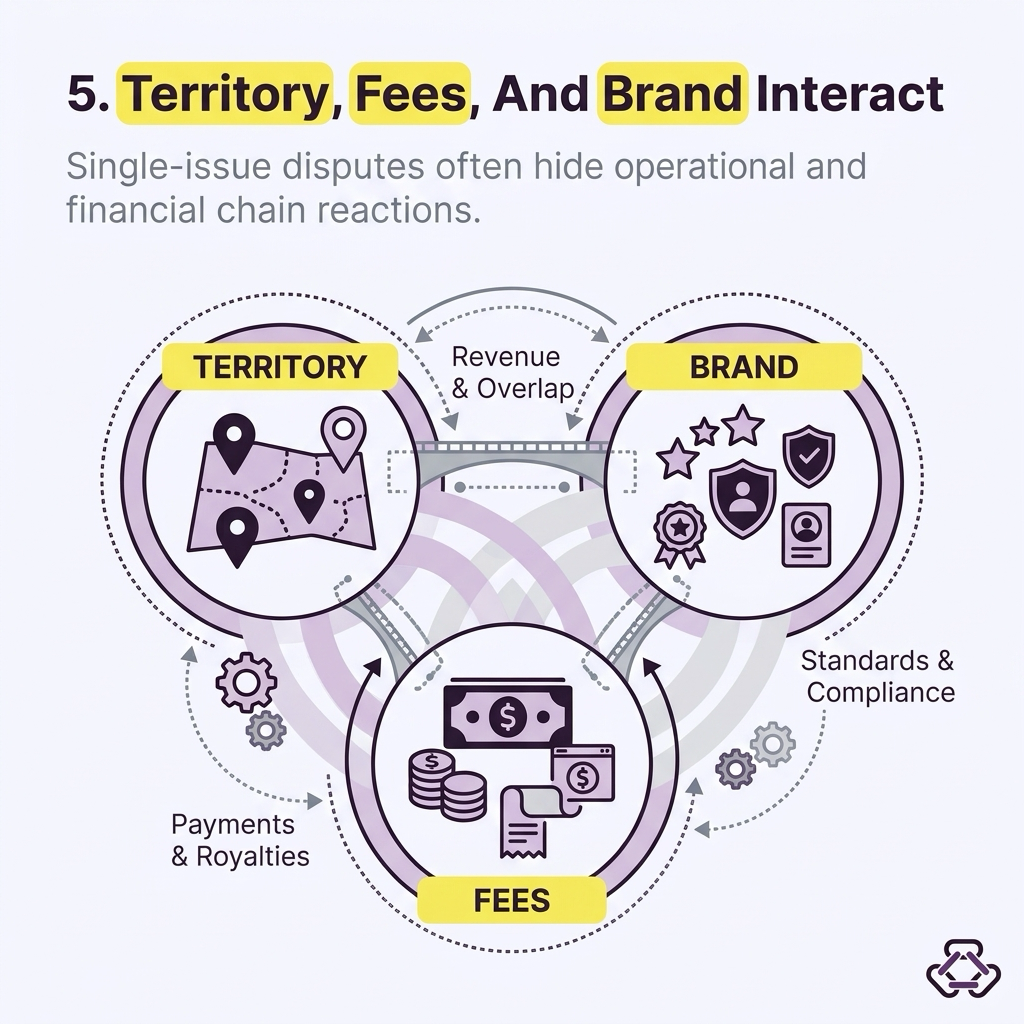
- 5. Mishandling Brand Control, Territory, And Fee Issues As Separate Problems
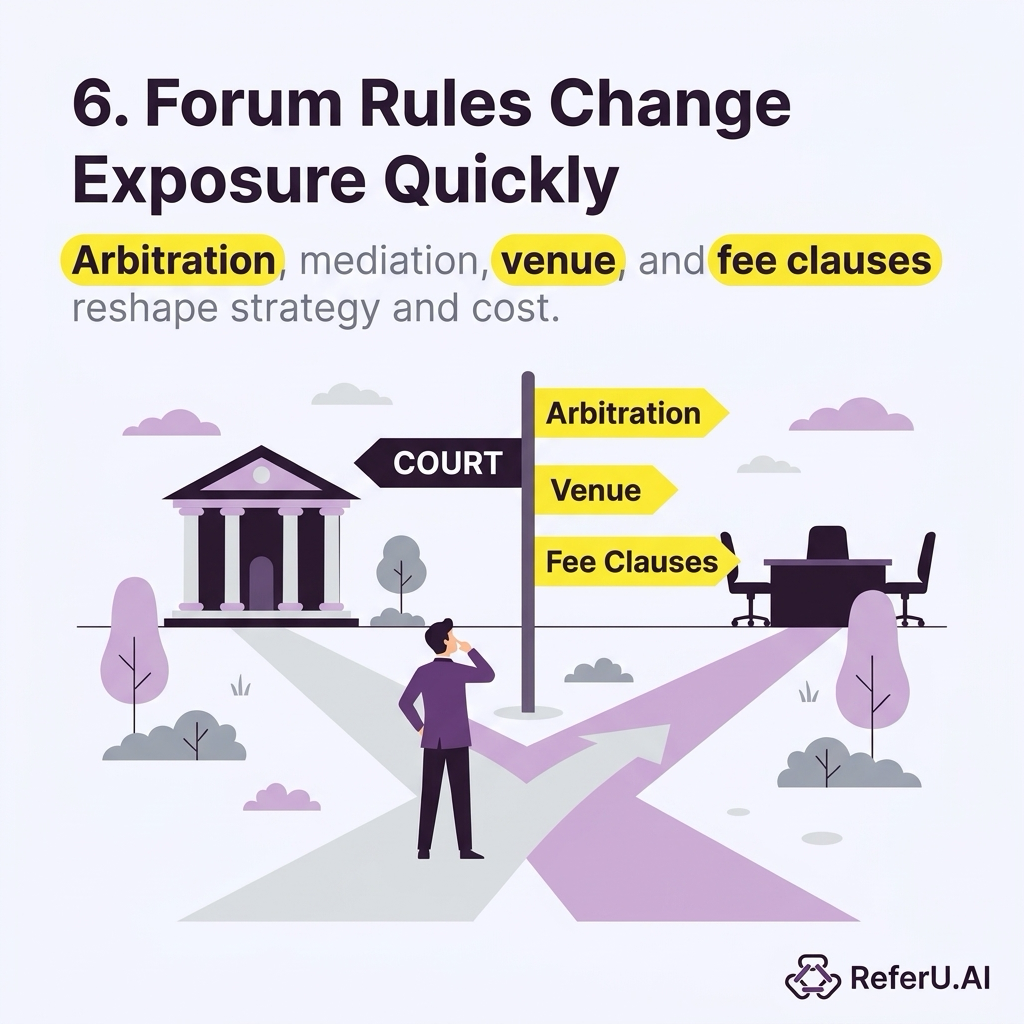
- 6. Waiting Too Long To Analyze Arbitration, Venue, And Litigation Risk
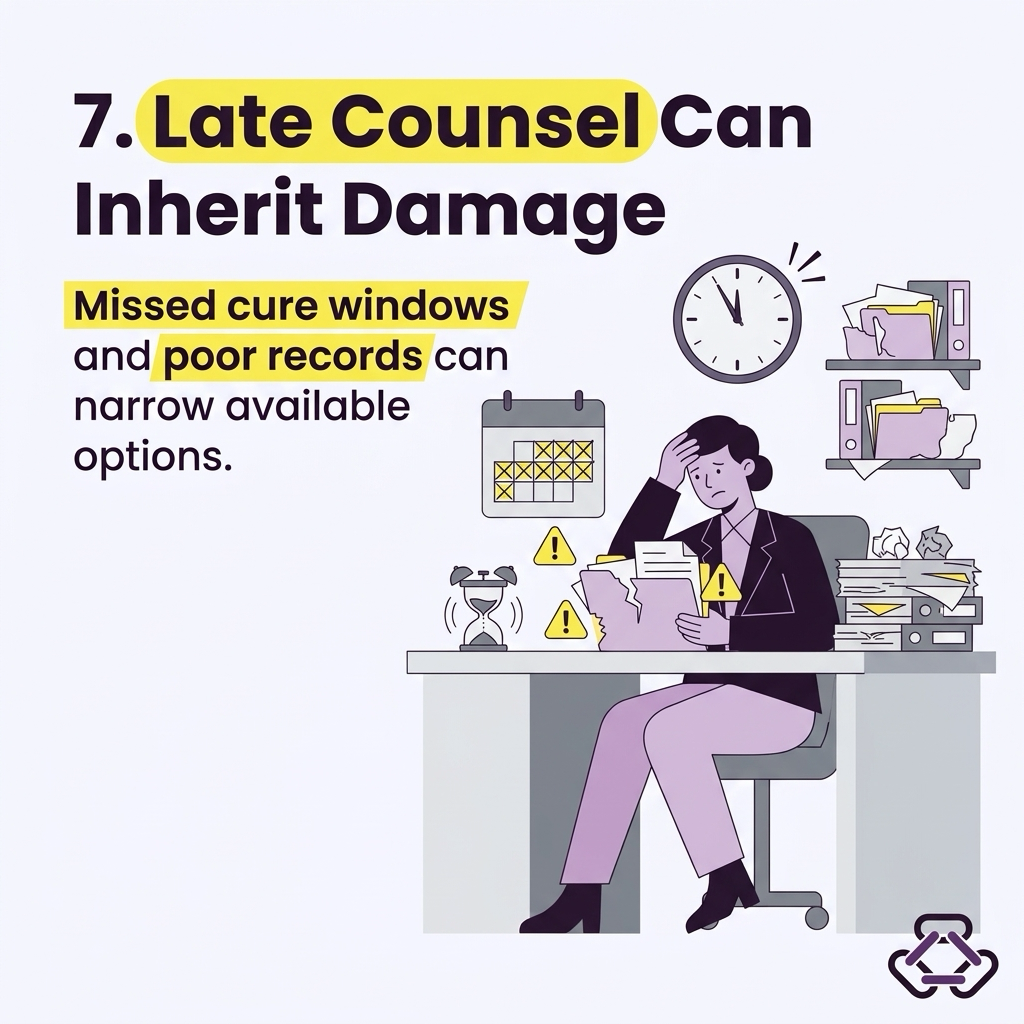
- 7. Waiting Until Termination Is Imminent To Find The Right Attorney
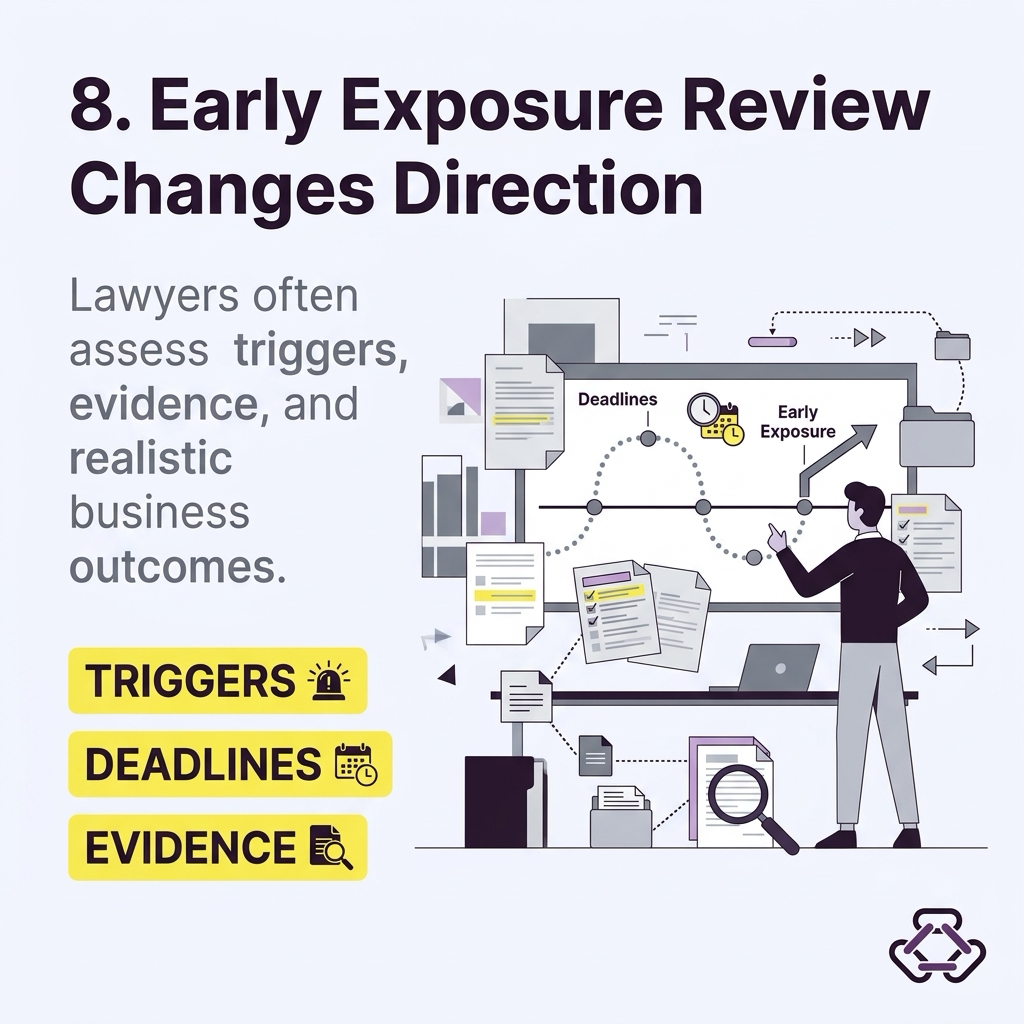
- How Franchise Lawyers Often Evaluate Exposure Early
- What Triggered The Dispute?
- What Do The Signed Documents Actually Say?
- What Law Applies Beyond The Contract?
- What Deadlines Are Already Running?
- What Does The Evidence Trail Look Like?
- What Business Outcome Is Realistically In Play?
- Final Tip: The Earlier The Case Theory Is Clear, The More Manageable The Dispute Often Becomes

Type
Great Grandchild
Status
Approved
Title (YouTube)
Images Failed (Social)
Images Failed (Social)
Do not index
Publish Date (TikTok)
Jan 3, 2027 13:15
Videos Post IDs (Social)
Hashtags (Social)
#LegalAdvice #LegalHelp #BusinessLitigation #FranchiseDisputes
Caption
Caption X
Cover

OG Image

Alt Image Text
Flat vector illustration of franchise dispute mistakes increasing exposure fast, showing a franchise owner, legal documents, deadlines, and escalating compliance risk between a storefront and corporate office.
Images

Videos
Publish Date (Social)
Dec 15, 2026 07:00
Scheduled (Social)
Scheduled (Social)
Images Posted (Social)
Images Posted (Social)
Videos Posted (Social)
Videos Posted (Social)
Videos Failed (Social)
Videos Failed (Social)
Featured
Created time
Apr 3, 2026 10:13 PM
Sub-item
Authors
CTA Practice Area (Social)
Business Litigation
TikTok Failed (Social)
TikTok Failed (Social)
Videos Post Links (Social)
YT Auto Captions Removed
TikTok Post Links (Social)
Images Post IDs (Social)
YT Post ID
Video Pending Manual (Social)
TikTok Posted (Social)
TikTok Posted (Social)
TikTok Post IDs (Social)
Video Cover (Social)
Images Post Links (Social)
First Comment (Social)
YT Embedded
Images Delete (Social)
Videos Delete (Social)
Carousel Video URL (Social)
7 Franchise Dispute Mistakes That Increase Exposure Fast
Franchise disputes rarely explode overnight. In many cases, exposure builds quietly through small decisions: an unanswered notice, a loose email, a rushed default response, or a misunderstanding about what the franchise agreement actually says. Then the conflict shifts from manageable business friction to litigation, emergency motion practice, or a termination fight that affects operations, reputation, and long-term value.
That is part of what makes franchise disputes so expensive. The franchise relationship is built on contract, disclosure, operations manuals, brand standards, trademark control, and often state-specific franchise statutes. The Federal Trade Commission’s Franchise Rule also requires franchisors to provide a disclosure document covering 23 categories of information, including litigation history, fees, territory, and restrictions, which often become central issues later when a dispute develops (FTC Franchise Rule; FTC Compliance Guide).
If you are trying to understand the bigger picture first, it may help to start with this broader overview of how franchise fights tend to develop around termination, territory, fees, defaults, and brand control.
In this post, you’ll learn seven common franchise dispute mistakes that can increase exposure fast, why they matter, and how attorneys often analyze them when the relationship starts breaking down.
Scroll to the bottom for every post in this series.
Why Exposure Can Escalate Quickly In Franchise Conflicts
Franchise disputes are different from ordinary contract disputes because several systems often overlap at the same time:
- the franchise agreement
- operations manuals and system standards
- the Franchise Disclosure Document, or FDD
- trademark and brand-control obligations
- state franchise relationship laws
- arbitration, mediation, or forum-selection clauses
That layered structure is one reason timing matters so much. A termination notice may trigger cure periods under the agreement, but state law can also affect notice and termination standards. For example, California’s franchise relations law generally ties “good cause” to substantial noncompliance and provides notice and an opportunity to cure in many situations, while New Jersey’s Franchise Practices Act addresses good cause and written notice requirements as well (California legislative text; New Jersey bill text discussing notice and good cause). Washington also maintains a franchise regulatory framework under its Franchise Investment Protection Act and related filing requirements (Washington DFI franchise laws and rules; RCW Chapter 19.100).
On top of that, many franchise agreements route disputes into arbitration or mediation. The American Arbitration Association reported administering more than 500,000 cases annually in each of the past two years, which gives some sense of how significant ADR has become in commercial conflicts generally (AAA centennial release). JAMS likewise emphasizes arbitration and mediation as standard paths for business disputes (JAMS case submission).
When a franchise party misreads that landscape early, the legal and financial exposure can move fast.
1. Ignoring The Governing Documents Until After A Default Notice Arrives
One of the fastest ways exposure increases is when a party waits to review the core documents until the dispute is already active.
In franchise matters, the governing documents are rarely just the franchise agreement. They often include guaranties, development agreements, leases, addenda, transfer documents, manuals, vendor requirements, advertising obligations, territory provisions, default clauses, and dispute-resolution terms. A lot of conflict comes from assumptions about what the system “usually does,” when the signed documents may say something narrower or broader.
This is especially important because the FTC disclosure framework is built around precise categories of information, including fees, territory, obligations, restrictions, renewal, termination, transfer, and litigation history (FTC Franchise Rule). Those same categories often become the roadmap of the dispute.
A lawyer reviewing exposure early may compare:
- what the agreement permits
- what the manuals require
- what the FDD disclosed
- what the parties actually did in practice
Where those four things diverge, disputes tend to widen.
For readers dealing with document-heavy conflict, it may help to read more about reviewing franchise agreements, manuals, and performance obligations when the relationship is under stress.
2. Treating A Default Notice Like A Negotiation Opening Instead Of A Legal Trigger
A default notice is often read emotionally: as pressure, posturing, or a threat. Legally, though, it is often a trigger point.
Some default notices begin a cure period. Some preserve future termination rights. Some create a record that later appears in arbitration or court. Some are drafted with an eye toward trademark enforcement, system compliance, unpaid fees, underreporting, sourcing violations, abandonment, or operational failures.
That is one reason generalized delay can get expensive. In states with franchise relationship protections, notice and cure rules can be highly specific. California’s statute, for example, generally refers to notice at least 60 days in advance and a reasonable opportunity to cure, with listed exceptions (California legislative text). New Jersey’s Franchise Practices Act also addresses advance written notice and good cause standards (New Jersey legislative text).
If a franchisee responds casually, incompletely, or inconsistently, that response may later be framed as an admission. If a franchisor sends a notice without aligning it to the agreement and applicable law, that notice may create a different kind of exposure.
This is where many businesses start looking for more focused guidance on responding to a franchise default notice before termination becomes the next step.
3. Putting Too Much In Writing Without A Strategy
Emails feel informal. In a franchise dispute, they often become exhibits.
Internal emails, text messages, Slack messages, audit notes, inspection comments, and consultant reports can all become part of the story. A rushed message that says “we’ve never enforced this before,” “just push them out,” or “we can’t really support that territory position” may later get pulled into a claim or defense about waiver, selective enforcement, bad faith, inconsistent standards, or pretext.
This problem cuts both ways.
For franchisors, loose communications can complicate efforts to prove system consistency, lawful brand control, or equal enforcement across the network. For franchisees, emotional or imprecise messages can complicate arguments about compliance, cure efforts, operational realities, or damages.
Brand-control issues are particularly sensitive because franchising depends on trademark licensing and quality control. Trademark law under the Lanham Act is part of the legal backdrop for why franchisors monitor standards and brand use so closely (Cornell LII on the Lanham Act). But aggressive or poorly documented enforcement can still create dispute risk if the facts are messy.
In general terms, experienced franchise counsel often view written communications as evidence creation, not just conversation.
4. Assuming The Dispute Is “Just Contract” And Overlooking State Franchise Protections
A common mistake is assuming the issue begins and ends with the contract language. Sometimes it does not.
Many franchise disputes also involve state statutes that regulate termination, renewal, transfers, forum provisions, disclosures, and prohibited practices. Washington’s regulatory materials, for example, expressly point franchisors and franchisees to state law, rules, and franchise addenda affecting their relationship (Washington DFI franchise laws and rules; Washington franchise agreement addendum). Washington also notes filing and registration requirements for franchise offerings in the state (Washington DFI franchise page).
These statutes can matter in disputes involving:
- notice and cure
- termination and nonrenewal
- transfer restrictions
- venue and forum selection
- waiver clauses
- association rights
- disclosure-related claims
That is one reason broad assumptions can become expensive. A clause that appears straightforward on paper may operate differently when state franchise law overlays the agreement. An attorney may look not just at what the contract says, but also at whether a state statute limits, supplements, or overrides part of it.
The FTC’s recent activity also shows that franchise practices remain under regulatory attention. In October 2024, the FTC said it reopened its Request for Information on franchise agreements and business practices and highlighted interest in franchisor control, unlawful fee practices, and restrictions on communications with government agencies (FTC press release).
That broader regulatory backdrop can influence how a dispute is framed even when the case starts as a private business conflict.
5. Mishandling Brand Control, Territory, And Fee Issues As Separate Problems
Some franchise disputes look like they are about one thing. In practice, they are often about three things at once.
A franchisee may say the dispute is about territory encroachment. The franchisor may say the real issue is failure to meet standards. Then unpaid royalties, ad contributions, technology fees, local marketing obligations, approved supplier rules, and online sales allocation all get folded into the same fight.
That overlap matters because these issues reinforce each other:
- territory disputes can affect revenue
- revenue pressure can affect fee disputes
- fee disputes can trigger defaults
- defaults can lead to increased brand-control enforcement
- increased enforcement can accelerate termination pressure
The FTC Franchise Rule specifically requires disclosure on subjects like territory, fees, restrictions, and franchisor assistance, which helps explain why those issues recur so often in later disputes (FTC Franchise Rule). The International Franchise Association also emphasizes that disclosure and communication are central to healthy franchise relationships, even though disputes still arise over how those principles play out in day-to-day operations (IFA Code of Ethics).
When the conflict is treated as a single-issue argument, parties can miss how one allegation is feeding another. Attorneys often work backward from the claimed default to identify the operational and financial chain underneath it.
If the relationship has started fraying in multiple directions, it can also help to compare your situation against the kinds of questions franchise owners often ask when the relationship starts falling apart.
6. Waiting Too Long To Analyze Arbitration, Venue, And Litigation Risk
A lot of business owners focus first on who is “right.” Lawyers often focus first on where, how, and under what rules the fight will be decided.
That difference can reshape exposure almost immediately.
Many franchise agreements contain:
- arbitration clauses
- mediation prerequisites
- venue clauses
- forum-selection provisions
- class-action waivers
- attorney’s fee provisions
- injunctive relief carveouts, especially for trademarks or confidential information
If those clauses are analyzed late, a party may spend time and money pursuing a strategy in the wrong forum. The dispute may also split into multiple tracks, such as arbitration for damages and court proceedings for injunctive relief tied to post-termination trademark use.
AAA and JAMS both position arbitration and mediation as core commercial dispute mechanisms (AAA mission and services; JAMS locations and ADR services). The scale of modern ADR is also notable. AAA said it has administered more than nine million cases over its history and more than 500,000 annually in each of the last two years (AAA centennial release).
For franchise disputes, forum analysis often intersects with state law. Washington, for example, has published interpretive guidance touching on franchise litigation rights in the state context (Washington interpretive statement FIS-04).
In practical terms, exposure often rises when parties discover too late that:
- the dispute belongs in arbitration, not court
- emergency injunctive relief remains available in court
- fee-shifting changes the economics
- venue increases cost and leverage
- procedural rules affect timing and evidence
7. Waiting Until Termination Is Imminent To Find The Right Attorney
This is often the most expensive mistake of all.
Franchise disputes are specialized. The issues can span contract law, statutory franchise law, trademark law, disclosure requirements, employment-adjacent control questions, and ADR procedure. A general business litigator may be excellent in many settings, but franchise-specific experience can matter when the dispute turns on cure language, FDD disclosures, system standards, state addenda, or post-termination de-identification.
That point has become even more important as regulators keep examining the degree of control franchisors exert in franchise systems. The FTC has publicly focused on franchisor business practices and control-related concerns (FTC press release). The National Labor Relations Board has also continued addressing joint-employer standards, and as of February 27, 2026, it had returned to prior regulatory language following litigation over the 2023 rule (NLRB joint-employer update). While labor law is not the same as franchise law, control issues can spill into broader franchise risk analysis.
When attorney selection starts late, the lawyer may inherit:
- a damaged record
- avoidable admissions
- missed cure windows
- poor document collection
- forum mistakes
- harder settlement dynamics
Some people in similar situations look for counsel only after termination papers arrive or a hearing is set. By then, the leverage picture may be very different.
How Franchise Lawyers Often Evaluate Exposure Early
When an attorney with relevant franchise experience evaluates a developing dispute, the first pass often focuses on a handful of practical questions:
What Triggered The Dispute?
Was it unpaid fees, operational noncompliance, territory conflict, sourcing issues, audit findings, transfer restrictions, data reporting, or trademark misuse?
What Do The Signed Documents Actually Say?
That includes the franchise agreement, guaranties, amendments, state addenda, manuals, and any side letters.
What Law Applies Beyond The Contract?
State relationship statutes, registration requirements, trademark law, and ADR rules can all matter.
What Deadlines Are Already Running?
Default cure windows, mediation deadlines, arbitration filing timelines, post-termination obligations, and preservation issues can move quickly.
What Does The Evidence Trail Look Like?
Emails, notices, financial records, inspection reports, vendor communications, performance data, and franchise system comparators may all shape the dispute.
What Business Outcome Is Realistically In Play?
The target may be cure, negotiated exit, transfer, temporary standstill, injunctive relief, damages control, or defense positioning.
That early analysis is often where exposure stops growing or starts accelerating.
Final Tip: The Earlier The Case Theory Is Clear, The More Manageable The Dispute Often Becomes
Franchise disputes get more dangerous when parties react one document at a time without stepping back to see the full legal structure. A default notice might be about fees on the surface but actually involve territory, standards, trademark control, and state franchise law all at once. That is why early case framing matters.
In general terms, businesses facing a franchise conflict may want to consider how quickly the issue could move from operational disagreement to formal dispute. A lawyer with documented experience in highly similar franchise matters can often help identify where exposure is coming from, what record is being created, and which forum rules may shape the next phase.
Visit ReferU.AI to get matched with an attorney who has demonstrable experience in cases like yours — for free.
