Table of Contents
- Non-Compete Litigation: A Beginner’s Guide to Restrictive Covenant Disputes
- What Is Non-Compete Litigation?
- Why Do Restrictive Covenant Cases Move So Fast?
- What Makes A Non-Compete Different From Other Restrictive Covenants?
- Are Non-Competes Enforceable Everywhere?
- What Do Courts Usually Look At In A Non-Compete Case?
- Is There A Legitimate Business Interest?
- Is The Restriction Reasonable?
- Was There Adequate Consideration?
- Does State Statute Override The Contract?
- Is There Evidence Of Actual Threatened Harm?
- What Happens At The Beginning Of A Lawsuit?
- What Evidence Often Matters Most?
- Can A Court Stop Someone From Taking A New Job?
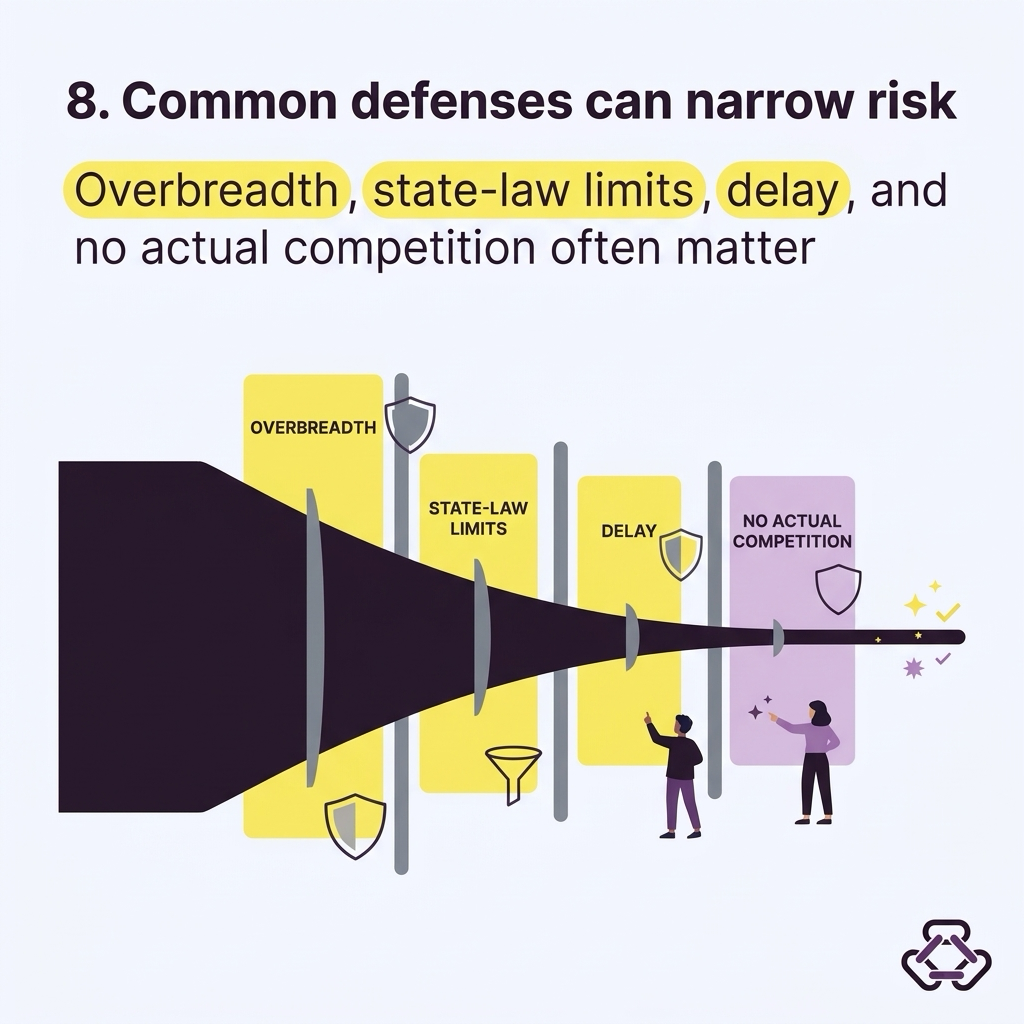
- What Defenses Do Employees And New Employers Often Raise?
- The Clause Is Overbroad
- The Clause Is Void Under State Law
- There Was No Real Consideration
- The Worker Is Not Actually Competing
- No Confidential Information Was Taken Or Used
- The Employer Waited Too Long
- The Employer Has Unclean Hands
- Why Are These Cases So Stressful For Businesses And Executives?
- How Does Federal Policy Affect State Court Non-Compete Fights?
- When Does It Make Sense To Involve Counsel Early?
- A Short Summary For Beginners

Type
Great Grandchild
Status
Approved
Title (YouTube)
Images Failed (Social)
Images Failed (Social)
Do not index
Parent item
Publish Date (TikTok)
Jan 7, 2027 08:15
Videos Post IDs (Social)
Hashtags (Social)
#LegalAdvice #LegalHelp #BusinessLitigation #NonCompeteNonSolicitation
Caption
Caption X
Cover

OG Image

Alt Image Text
Flat vector illustration of non-compete litigation and restrictive covenant disputes, showing a departing employee between two employers with legal symbols for contracts, confidentiality, and emergency court action.
Images

Videos
Publish Date (Social)
Dec 17, 2026 08:30
Scheduled (Social)
Scheduled (Social)
Images Posted (Social)
Images Posted (Social)
Videos Posted (Social)
Videos Posted (Social)
Videos Failed (Social)
Videos Failed (Social)
Featured
Created time
Apr 3, 2026 10:12 PM
Sub-item
Authors
CTA Practice Area (Social)
Business Litigation
TikTok Failed (Social)
TikTok Failed (Social)
Videos Post Links (Social)
YT Auto Captions Removed
TikTok Post Links (Social)
Images Post IDs (Social)
YT Post ID
Video Pending Manual (Social)
TikTok Posted (Social)
TikTok Posted (Social)
TikTok Post IDs (Social)
Video Cover (Social)
Images Post Links (Social)
First Comment (Social)
YT Embedded
Images Delete (Social)
Videos Delete (Social)
Carousel Video URL (Social)
Non-Compete Litigation: A Beginner’s Guide to Restrictive Covenant Disputes
If you’re dealing with a non-compete fight, you may already know how fast these disputes can escalate. A resignation turns tense. A cease-and-desist letter arrives. Access to company accounts gets cut off. A new employer gets pulled into the dispute. In some cases, the first real battle is over an emergency court order, not a full trial.
For beginners, restrictive covenant litigation can feel confusing because several issues tend to collide at once: contract law, trade secret concerns, employment law, unfair competition claims, and state-specific rules that can change the entire analysis. In this post you’ll learn what non-compete litigation is, why these cases move so quickly, what courts often look at, what evidence tends to matter, and how businesses and departing employees often begin evaluating risk in the first days of a dispute.
If you want a broader overview of the larger restrictive-covenant landscape before diving into litigation basics, this practical guide on how these workplace restriction disputes usually work can help frame the bigger picture.
Scroll to the bottom for every post in this series.
What Is Non-Compete Litigation?
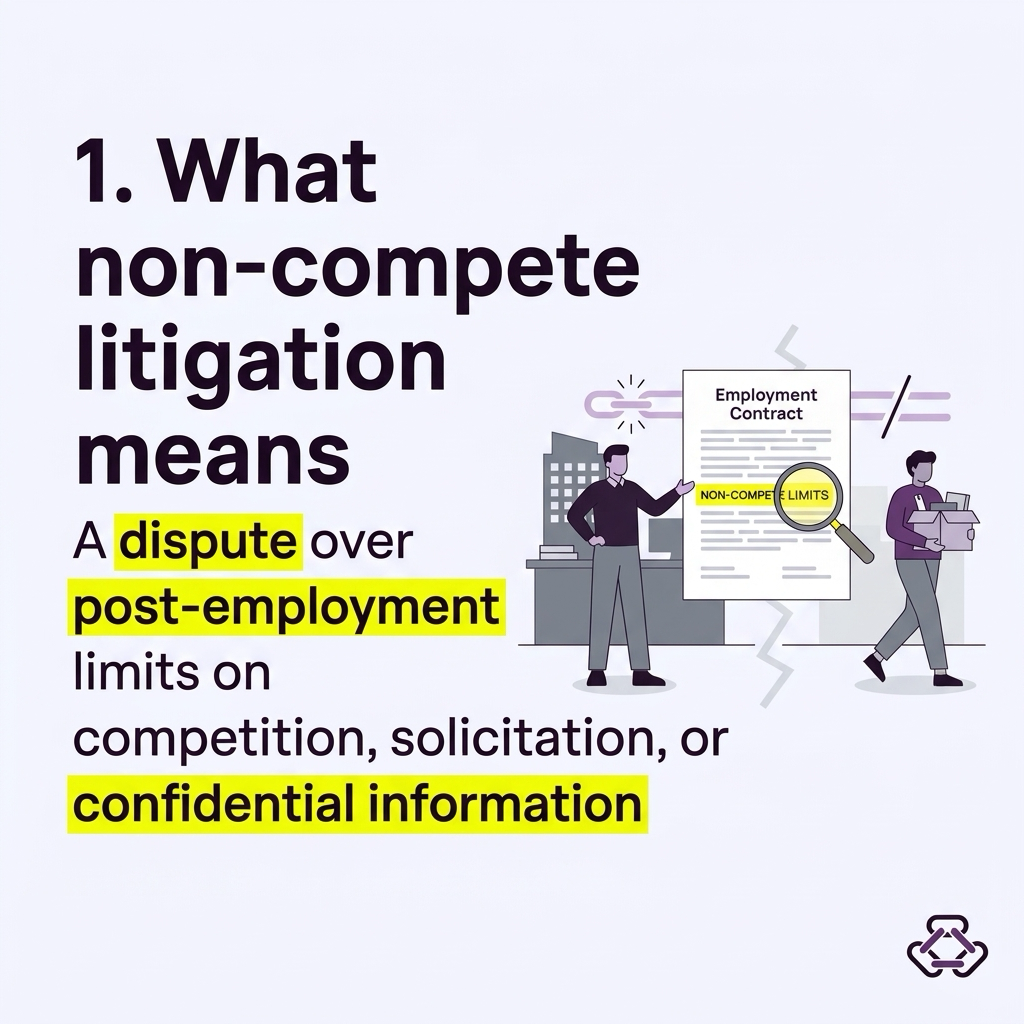
Non-compete litigation is a legal dispute involving a contract clause that limits where, when, or how a worker may compete after leaving a job. These clauses often appear alongside related restrictions, including non-solicitation, confidentiality, and non-disclosure provisions.
In general terms, litigation starts when one side claims the restrictive covenant is valid and was violated, while the other side argues the clause is unenforceable, overbroad, improperly drafted, unsupported by adequate consideration, or inconsistent with state law. The case may also include claims involving trade secrets, confidential information, fiduciary duties, unfair competition, tortious interference, or breach of loyalty.
That broader legal backdrop matters more than ever because non-compete law remains unsettled across the country. The Federal Trade Commission adopted a rule in April 2024 that would have banned most non-competes, but the FTC now states that the rule is not in effect and not enforceable after federal court action stopped enforcement; the agency later moved in September 2025 to dismiss its appeal and accede to vacatur of the rule. At the same time, the FTC has continued case-by-case enforcement activity involving allegedly anticompetitive non-compete and no-hire arrangements. FTC press release, FTC noncompete page.
Why Do Restrictive Covenant Cases Move So Fast?
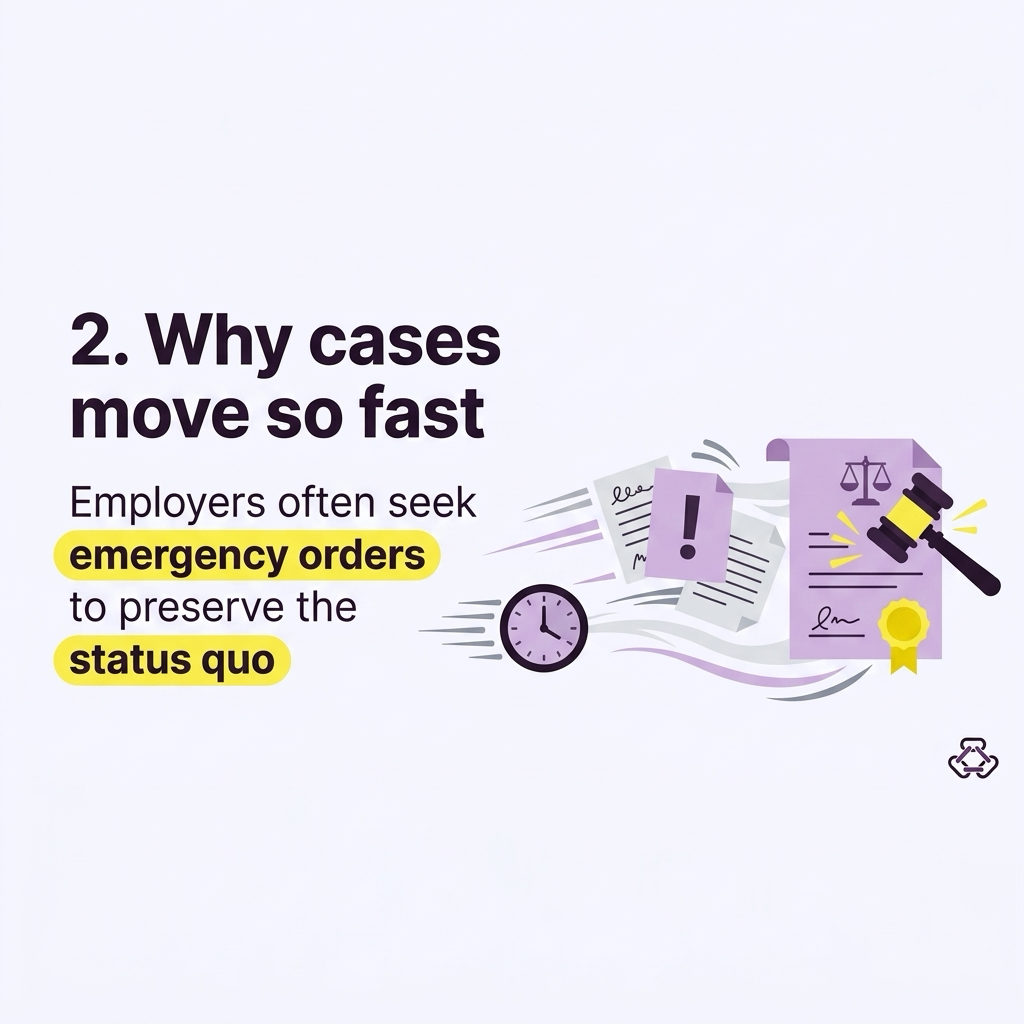
Many non-compete cases move on an emergency timeline because the employer argues that the harm is happening right now. The typical theory is that once a former employee begins working for a competitor, soliciting customers, or using confidential information, the damage may be difficult to undo later.
That is why these cases often begin with requests for a temporary restraining order or preliminary injunction. Instead of waiting months for discovery and trial, one party asks the court for immediate relief aimed at preserving the status quo. Courts may be asked to stop an employee from working for a competitor, contacting customers, recruiting co-workers, or accessing sensitive data while the case proceeds.
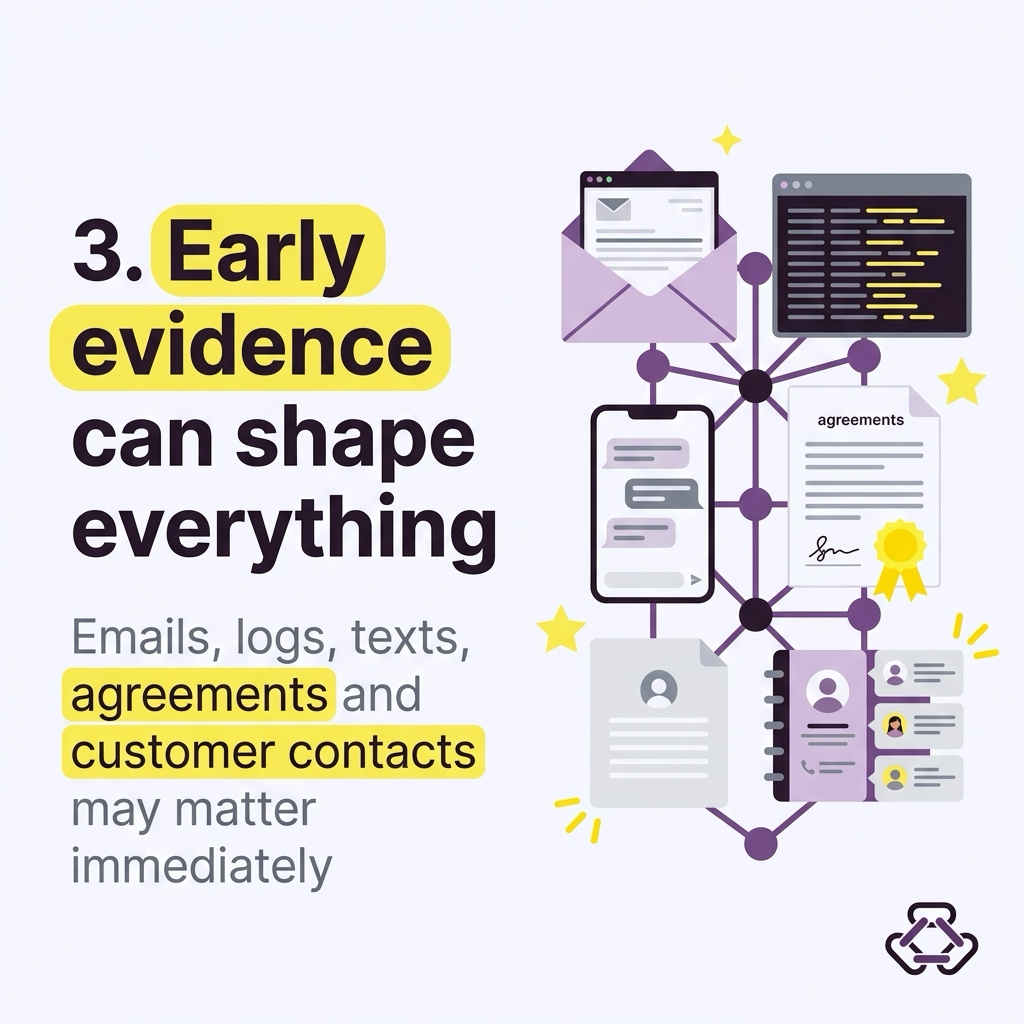
This front-loaded process can make early evidence unusually important. Emails, offer letters, text messages, download logs, CRM activity, customer communications, exit interviews, device-return records, and the precise wording of the agreement may shape the case before anyone reaches full discovery. Recent American Bar Association coverage of employee-mobility decisions also reflects how quickly courts continue to decide injunction issues tied to scope, consideration, and trade secret allegations. ABA Business Law Today.
What Makes A Non-Compete Different From Other Restrictive Covenants?
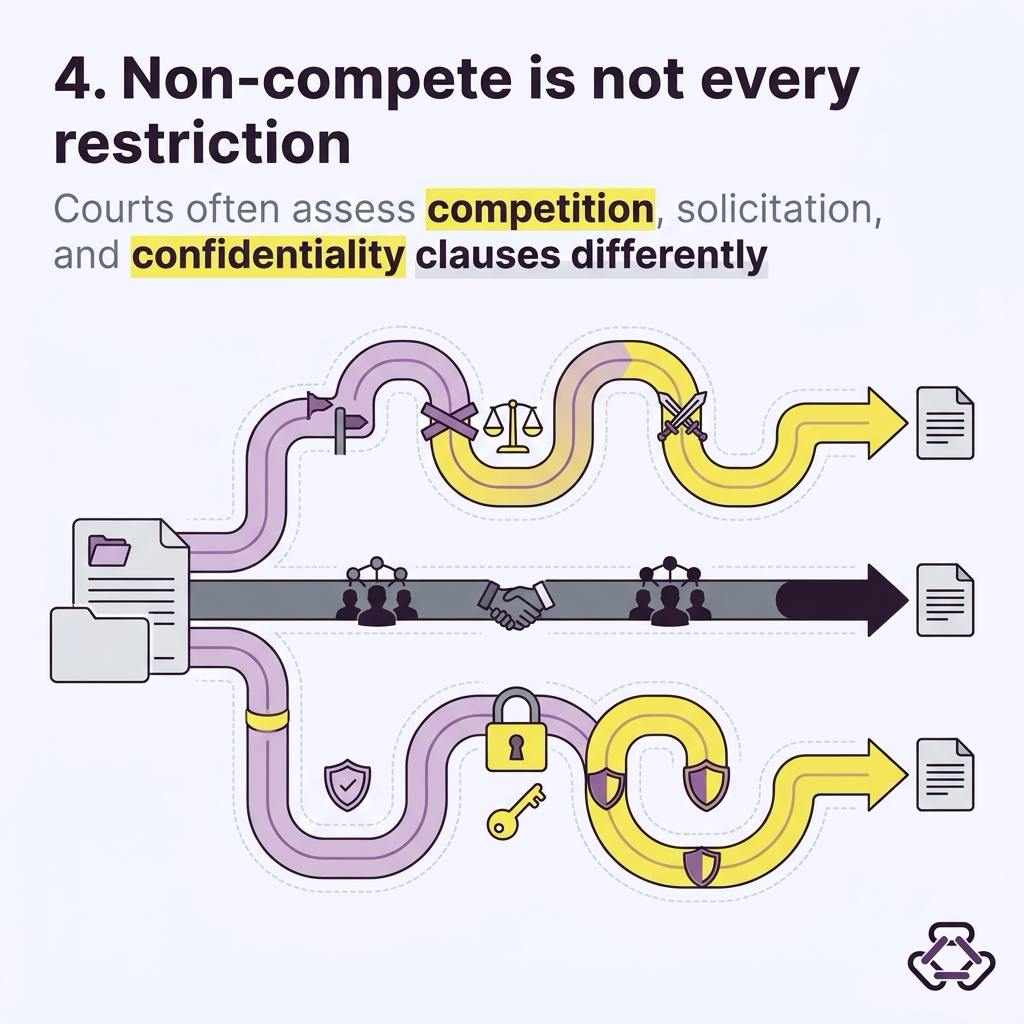
A non-compete generally restricts working for or forming a competing business after employment ends. A non-solicitation clause usually focuses more narrowly on customers, clients, employees, or vendors. A confidentiality clause focuses on information rather than competition itself.
That distinction matters because courts often analyze these provisions differently. A broad bar on working for any competitor in any capacity may draw heavier scrutiny than a narrower restriction on soliciting specific customers the employee actually served. The difference can affect whether a court sees the covenant as tied to a legitimate business interest or as broader than reasonably necessary.
Some state statutes also treat these clauses differently. Illinois, for example, has amended its restrictive-covenant framework in recent years and, beginning January 1, 2026, authorizes consequential damages, fees, and costs for a worker who successfully challenges a contract under the Illinois Freedom to Work Act in a final non-appealable action on validity. Illinois Public Act 104-0320. Meanwhile, California continues to take a much more restrictive approach to employment non-competes, and its code states that including an unlawful noncompete in an employment contract is itself unlawful. California Business and Professions Code § 16600.1.
Are Non-Competes Enforceable Everywhere?
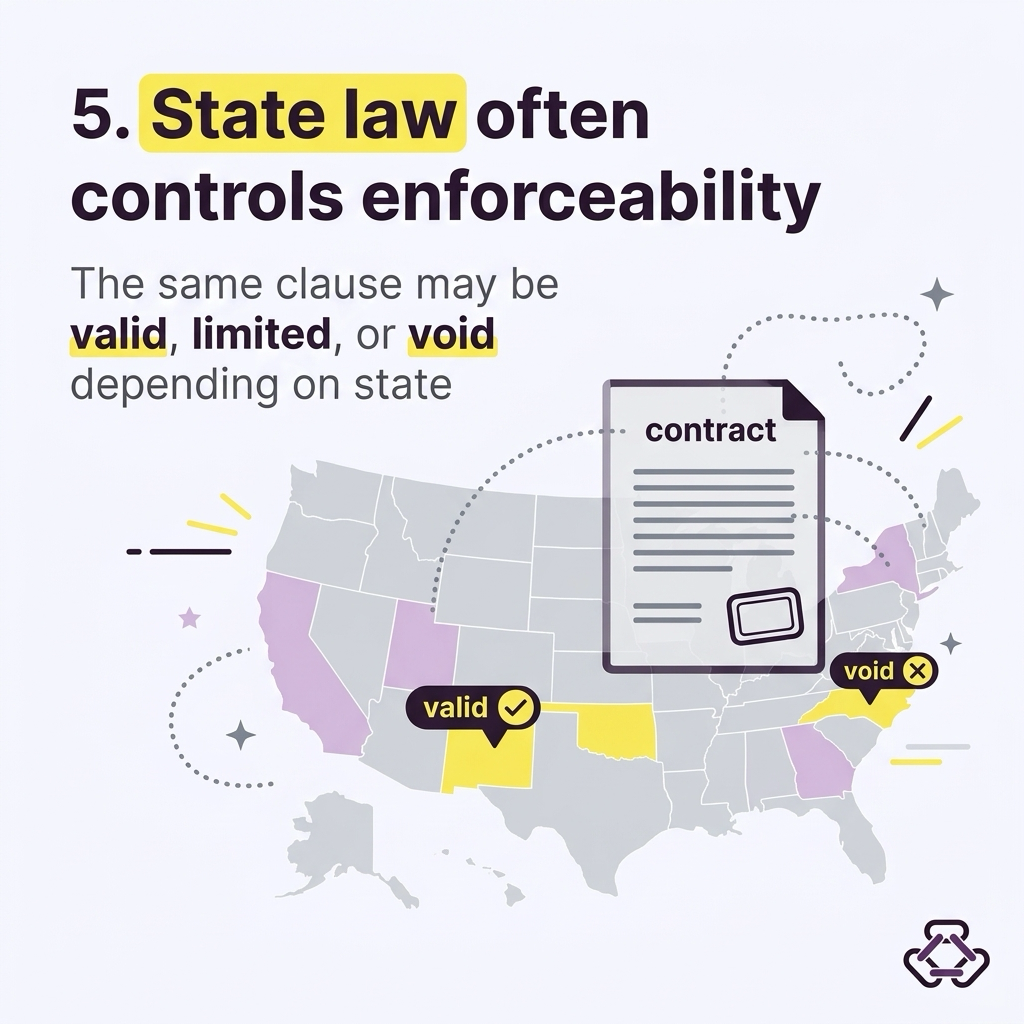
No. One of the biggest beginner mistakes is assuming a non-compete rises or falls under one national rule.
As of April 4, 2026, enforceability is still heavily state-dependent. California remains famously hostile to most employment non-competes. Minnesota law provides that a covenant not to compete with an employee or independent contractor is void and unenforceable, subject to limited sale-of-business and dissolution-related exceptions. The District of Columbia also sharply limits non-competes for many workers, making them illegal for many covered employees and allowing only limited use for higher earners under specific conditions. California Business and Professions Code § 16600.1, Minnesota statute, D.C. Attorney General worker alert.
Other states still enforce non-competes in some form, but often only if the restriction is reasonable in duration, geography, and scope of activity, and only if it protects a recognized business interest such as customer relationships, goodwill, or confidential information. Massachusetts, for example, has a statute specifically addressing noncompetition agreements and collects current legal resources summarizing how the law operates. Massachusetts law about noncompetition agreements.
The practical point is simple: the same clause may be enforceable in one state, partly enforceable in another, and void in a third.
What Do Courts Usually Look At In A Non-Compete Case?
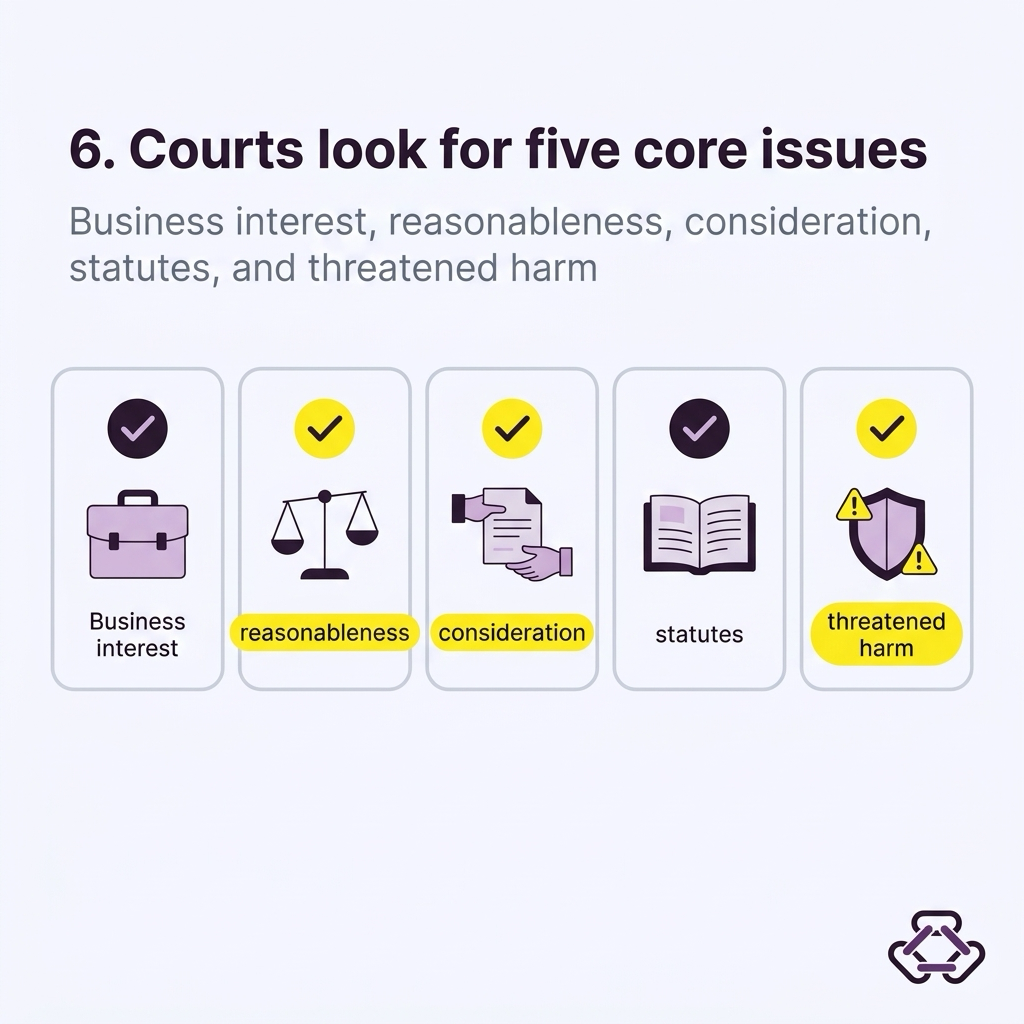
Although the exact test depends on the jurisdiction, courts commonly focus on a few recurring questions.
Is There A Legitimate Business Interest?
Employers often argue the covenant protects customer goodwill, confidential business information, specialized training, investment in key relationships, or competitive strategy. Employees often respond that the company is really trying to suppress ordinary competition or block someone from earning a living.
Is The Restriction Reasonable?
Courts often examine:
- Duration: six months, one year, two years, or longer
- Geographic scope: local, regional, national, or global
- Activity scope: what work is actually restricted
- Customer scope: all customers, or only those the worker handled
- Industry fit: whether the clause bars work beyond the employer’s actual business
Overbreadth can be fatal. Recent ABA reporting highlighted an Indiana case in which a court found a covenant unenforceable because it barred the former executive from working for a competitor in any capacity, extending beyond the employer’s legitimate interests. ABA Business Law Today.
Was There Adequate Consideration?
In some states, timing and consideration matter a great deal. Was the agreement signed at the start of employment? Was it added later? Was there additional compensation, a promotion, equity, a bonus, or some other bargained-for exchange? The answer can affect enforceability.
Does State Statute Override The Contract?
Even carefully drafted agreements can run into statutory limits, income thresholds, industry-specific bans, notice requirements, or public-policy restrictions.
Is There Evidence Of Actual Threatened Harm?
A court evaluating emergency relief may look for more than abstract concern. Judges often focus on evidence of actual or imminent misuse of confidential information, customer outreach, recruitment of co-workers, suspicious downloads, or role overlap at the new employer.
What Happens At The Beginning Of A Lawsuit?
For beginners, the opening phase is often the most disorienting because several things can happen at once.
One side may file suit and seek emergency relief. The other side may remove the case to federal court if jurisdiction exists. A hearing may be scheduled quickly. The parties may exchange expedited discovery. A new employer may be added as a defendant. Forensic issues may arise if laptops, phones, cloud accounts, or personal devices are involved.
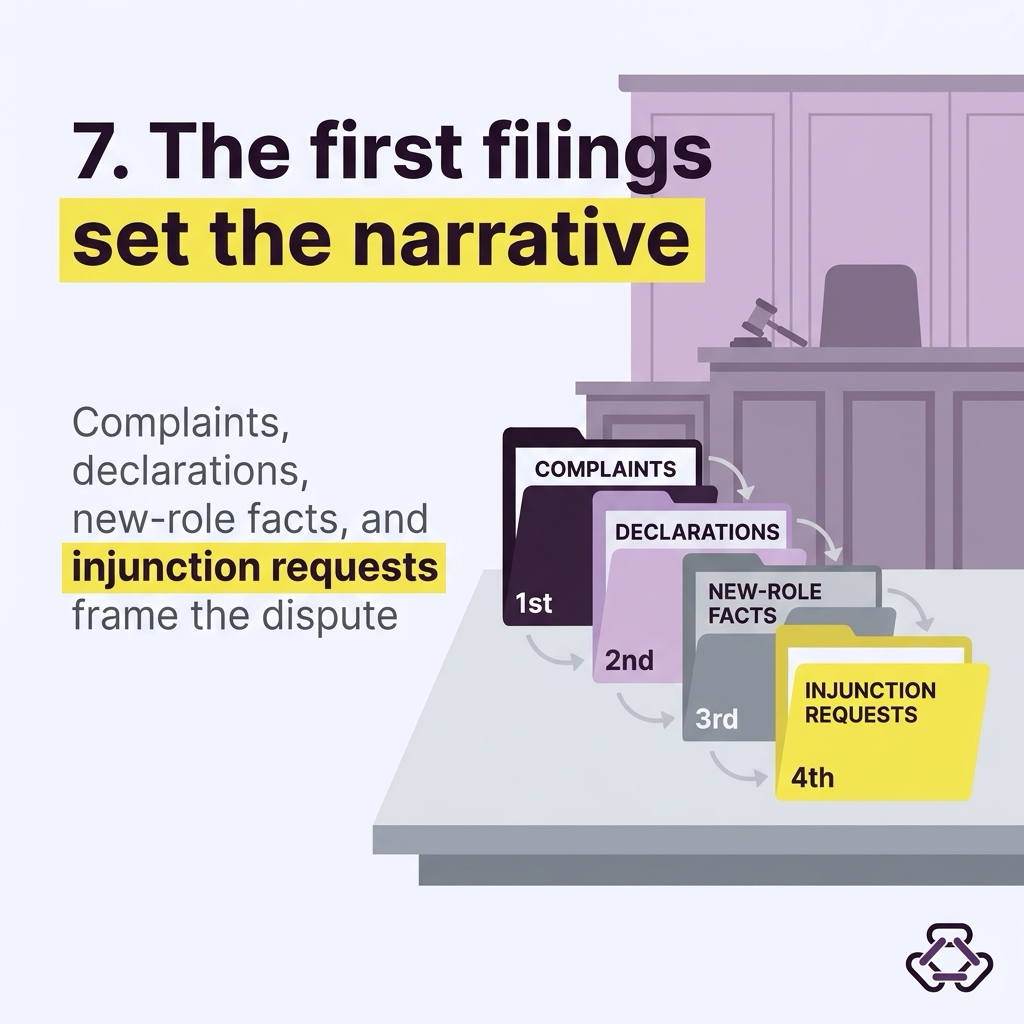
The first filings often shape the narrative:
- the complaint
- a motion for temporary restraining order
- declarations from managers, IT personnel, or the departing employee
- copies of the agreement
- evidence of customer relationships
- evidence about the new role
- proposed injunction language
In many cases, settlement discussions begin almost immediately because both sides are trying to avoid the cost and uncertainty of an injunction fight.
What Evidence Often Matters Most?
Restrictive covenant disputes are evidence-heavy. General accusations are common, but documents usually drive outcomes.
For employers, important evidence may include the signed agreement, handbook acknowledgments, compensation records, customer assignments, CRM histories, device logs, email forwarding activity, cloud-download metadata, and proof that the worker had access to genuinely sensitive information.
For employees, important evidence may include the exact wording of the covenant, proof the new role is materially different, evidence that the company did not treat the alleged information as confidential, records showing customers moved for independent reasons, and facts showing the restriction is broader than the employee’s actual job duties.
Trade secret allegations can significantly raise the stakes. The Department of Justice and FTC’s 2025 Antitrust Guidelines for Business Activities Affecting Workers also note that non-compete clauses can violate antitrust and other laws in some circumstances, and the agencies discuss enforcement attention to labor-market restraints affecting workers. DOJ/FTC guidelines. That does not mean every non-compete case becomes an antitrust case, but it does show how restrictive covenants may be scrutinized from more than one legal angle.
Can A Court Stop Someone From Taking A New Job?
Sometimes, yes. But that result is highly fact-specific.
Courts considering preliminary relief often evaluate familiar equitable factors, such as the likelihood of success on the merits, whether irreparable harm is likely without relief, how the balance of harms falls, and whether the requested order aligns with the public interest. In practice, judges may also focus on how narrowly the requested order is drafted. A judge may be more receptive to a limited no-solicitation or no-use order than to a broad ban on all employment with a competitor.
There are also cases where an employer seeks relief under an “inevitable disclosure” theory, arguing the employee’s new role is so similar that confidential information will inevitably be used even without direct proof of misuse. Courts vary widely on how receptive they are to that theory. The ABA recently noted an Illinois federal decision in which a court granted preliminary relief based on inevitable disclosure concerns even without a negotiated non-compete agreement. ABA Business Law Today.
What Defenses Do Employees And New Employers Often Raise?
Defenses vary by jurisdiction, but several themes recur:
The Clause Is Overbroad
This may involve an excessive duration, nationwide geography untethered to the job, or a ban on working in roles unrelated to the worker’s prior duties.
The Clause Is Void Under State Law
Some states ban or sharply restrict many employment non-competes. Others impose compensation thresholds, procedural requirements, or special industry rules.
There Was No Real Consideration
If the covenant was added after employment began without meaningful new value, enforceability can become a major issue in some states.
The Worker Is Not Actually Competing
A title change alone may not answer this question. Courts often examine the substance of the new role.
No Confidential Information Was Taken Or Used
An employer’s suspicion may not be enough. Judges often look for concrete proof.
The Employer Waited Too Long
Delay can undercut claims of emergency harm. If a company waits months to sue, that timing may weaken an argument that immediate injunctive relief is essential.
The Employer Has Unclean Hands
In some disputes, the defense narrative includes unpaid compensation, retaliation, discrimination concerns, or other employer conduct that may affect how a court views the request for equitable relief.
Why Are These Cases So Stressful For Businesses And Executives?
For companies, the concern is often loss of customers, revenue, goodwill, and strategic information. For executives and professionals, the concern is often immediate disruption to employment, income, reputation, and future mobility.
That imbalance is one reason these disputes often settle into temporary business solutions instead of all-or-nothing courtroom wins. Examples may include:
- revised customer-contact restrictions
- standstill periods
- return-and-delete protocols
- neutral notices to clients
- limited role modifications at the new employer
- stipulations preserving confidentiality obligations
For beginners, it helps to understand that many restrictive covenant cases are not really fought to final judgment. They are often fought to obtain leverage, clarity, or a workable short-term arrangement.
How Does Federal Policy Affect State Court Non-Compete Fights?
Federal developments matter, but they have not replaced state law.
The FTC’s April 2024 rule generated enormous attention, in part because the agency estimated that banning non-competes could increase average worker earnings, reduce health care costs, and result in more than 8,500 additional new businesses each year. But as of April 4, 2026, the FTC states the rule is not in effect and not enforceable, and the agency moved in September 2025 to dismiss its appeal after the district court blocked the rule. FTC press release, FTC noncompete page.
At the same time, federal regulators have continued to focus on worker restraints more generally. The DOJ and FTC issued updated antitrust guidelines in January 2025 addressing business practices affecting workers, and the FTC has pursued case-specific actions involving non-compete and no-hire arrangements. DOJ press release, FTC noncompete page.
Here’s what this often means in practice: state law still drives most day-to-day enforceability questions, but federal policy has increased scrutiny on labor restraints and may influence how aggressive some companies are in drafting and enforcing them.
When Does It Make Sense To Involve Counsel Early?
In restrictive covenant disputes, timing often changes options.
A business considering suit may want early analysis of enforceability, venue, evidence preservation, and injunctive strategy before sending letters or filing claims. A departing employee may want prompt review of the agreement, the governing state law, the new role, and communications with customers or co-workers before responding to threats or signing anything new. A new employer may want guidance on onboarding protocols, device segregation, access controls, and role design to reduce avoidable risk.
Because these disputes turn on highly specific facts and fast-moving timelines, finding counsel with demonstrable experience in highly similar matters can make a meaningful difference in how efficiently the case is assessed. Some lawyers primarily advise on drafting employment agreements. Others regularly handle emergency injunction hearings, trade secret forensics, or executive-departure litigation. The fit matters.
A Short Summary For Beginners
Non-compete litigation is really a cluster of disputes under one label. It may involve contract interpretation, state statutes, trade secret claims, customer relationships, emergency injunctions, and questions about how much competition the law will tolerate in a particular jurisdiction.
For beginners, the key ideas are these:
- non-compete law is highly state-specific
- these disputes often move fast
- early evidence often matters a lot
- overbreadth, consideration, and legitimate business interests are recurring issues
- related claims involving confidentiality, solicitation, and trade secrets often shape the outcome as much as the non-compete itself
If you’re trying to sort out whether a dispute is likely to escalate, or you’re looking for counsel with relevant, documented experience in restrictive covenant cases, Visit ReferU.AI to get matched with an attorney who has demonstrable experience in cases like yours — for free.
