Table of Contents
- How to Respond When a Former Employee or Competitor Takes Confidential Information
- Why These Situations Escalate So Quickly
- What Counts As “Confidential Information” Versus A Trade Secret
- Step 1: Stabilize Access And Stop Further Loss
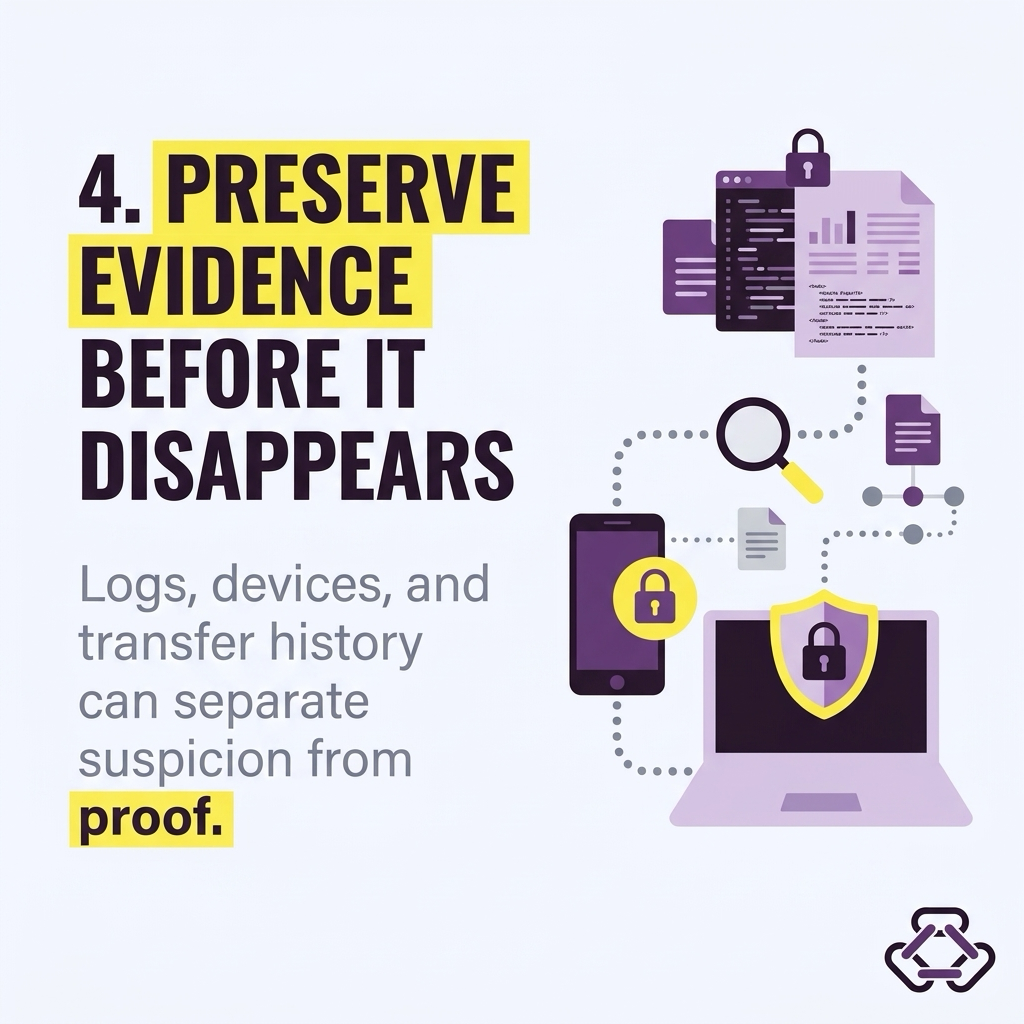
- Step 2: Preserve Evidence Before Anyone “Cleans Things Up”
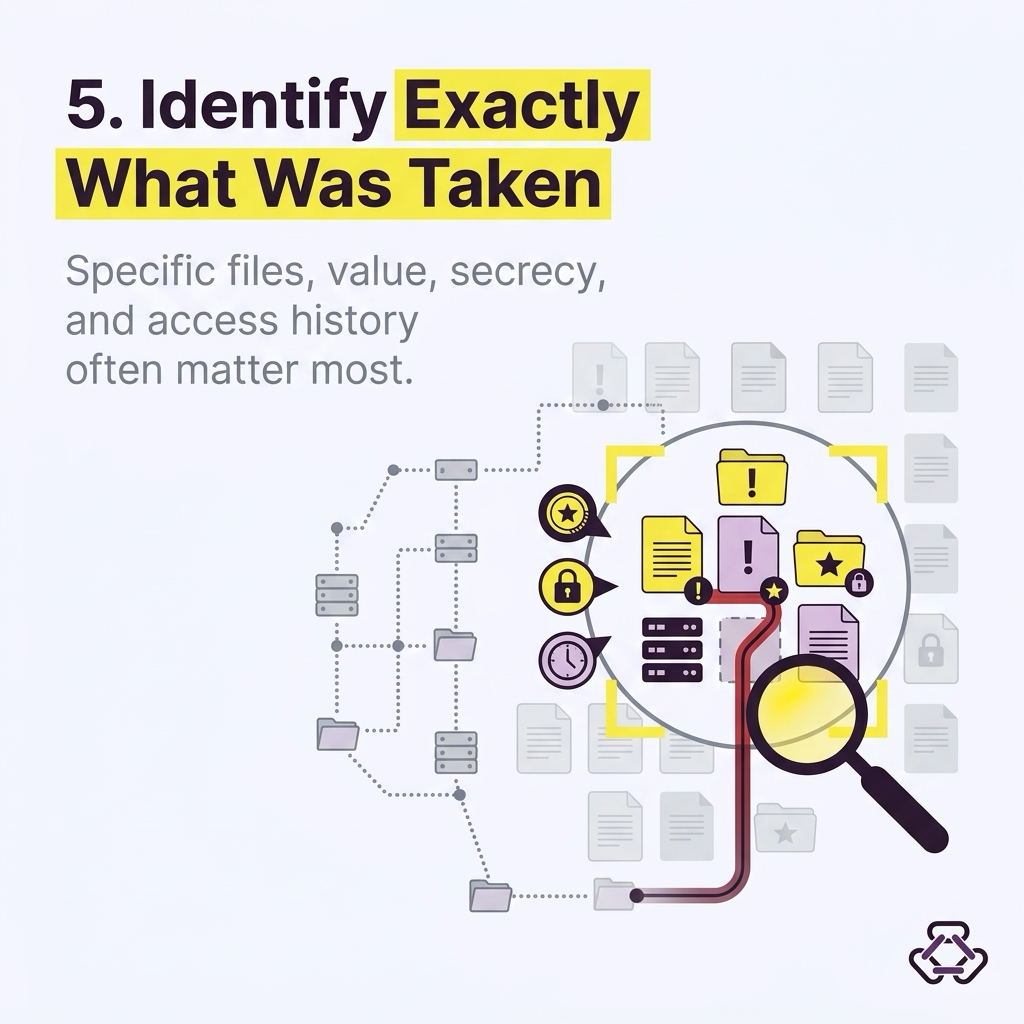
- Step 3: Identify Exactly What Was Taken
- What Specific Files Or Data Sets Are At Issue?
- How Valuable Is The Information?
- Was The Information Actually Secret?
- Who Had Access?
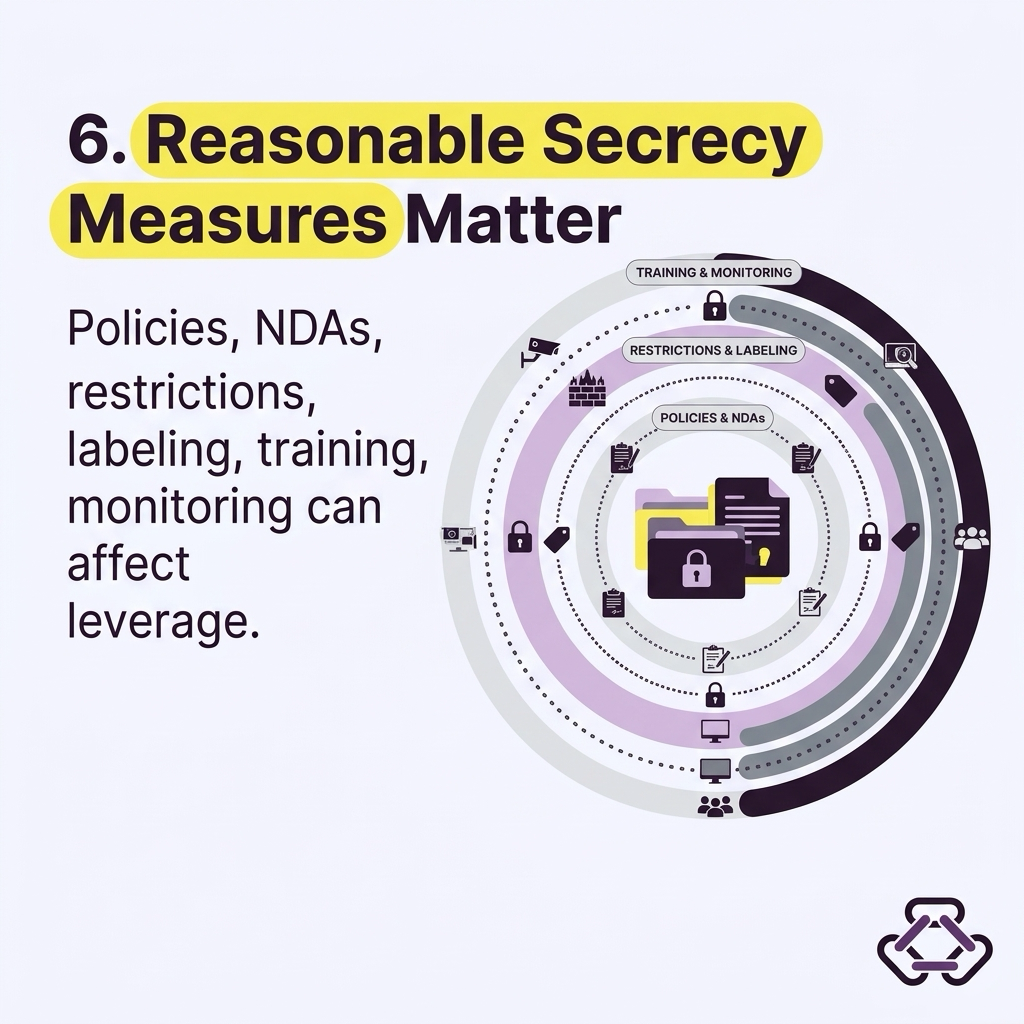
- Step 4: Assess Whether The Company Used Reasonable Secrecy Measures
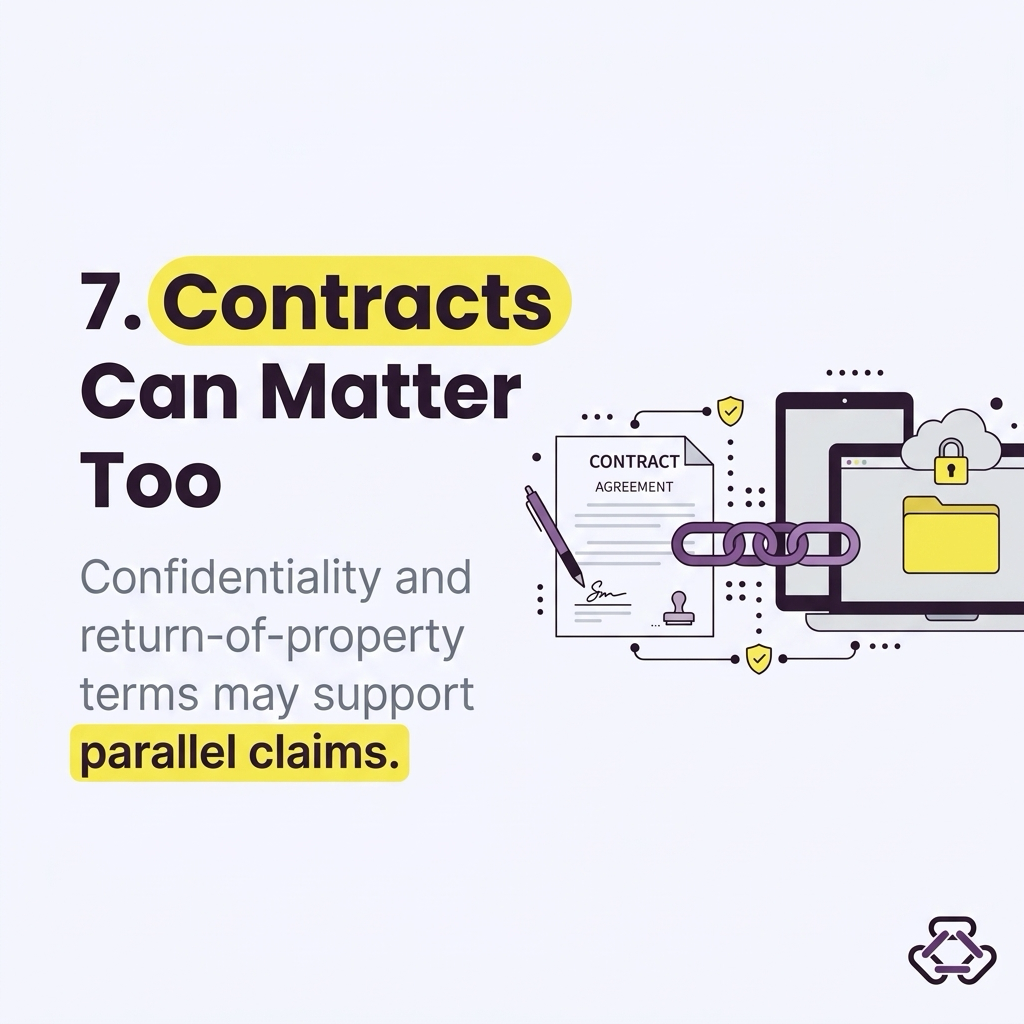
- Step 5: Evaluate Contract Claims Alongside Trade Secret Claims
- Step 6: Consider A Preservation Letter Or Cease-And-Desist Strategy
- Step 7: Decide Whether Emergency Court Relief Is Realistically Available
- Step 8: Think Carefully About The New Employer Or Competitor’s Role
- Common Mistakes That Can Weaken A Company’s Position
- Waiting Too Long
- Describing The Secret Too Broadly
- Failing To Preserve Evidence
- Overstating What The Law Covers
- Ignoring The Company’s Own Practices
- Sending An Aggressive Letter Without A Factual Foundation
- What If The Information Is Already In Use?
- Why Attorney Fit Matters In Trade Secret Emergencies
- A Short Summary

Type
Great Grandchild
Status
Approved
Title (YouTube)
Images Failed (Social)
Images Failed (Social)
Do not index
Publish Date (TikTok)
Jan 8, 2027 08:15
Videos Post IDs (Social)
Hashtags (Social)
#LegalAdvice #LegalHelp #BusinessLitigation #TradeSecret
Caption
Caption X
Cover

OG Image

Alt Image Text
Flat vector illustration of a company responding to confidential information theft and trade secret misappropriation by a former employee or competitor, with secured files, alert symbols, and a legal response theme
Images

Videos
Publish Date (Social)
Dec 17, 2026 14:00
Scheduled (Social)
Scheduled (Social)
Images Posted (Social)
Images Posted (Social)
Videos Posted (Social)
Videos Posted (Social)
Videos Failed (Social)
Videos Failed (Social)
Featured
Created time
Apr 3, 2026 10:12 PM
Sub-item
Authors
CTA Practice Area (Social)
Business Litigation
TikTok Failed (Social)
TikTok Failed (Social)
Videos Post Links (Social)
YT Auto Captions Removed
TikTok Post Links (Social)
Images Post IDs (Social)
YT Post ID
Video Pending Manual (Social)
TikTok Posted (Social)
TikTok Posted (Social)
TikTok Post IDs (Social)
Video Cover (Social)
Images Post Links (Social)
First Comment (Social)
YT Embedded
Images Delete (Social)
Videos Delete (Social)
Carousel Video URL (Social)
How to Respond When a Former Employee or Competitor Takes Confidential Information
When sensitive files walk out the door, the first few hours often feel chaotic. A company may be dealing with a recent resignation, unusual downloads, missing customer data, a competitor’s suspiciously familiar pitch, or an email from a client asking why another business suddenly knows internal details. In general terms, that combination can raise trade secret and confidentiality concerns very quickly.
The law in this area can move fast. Under the federal Defend Trade Secrets Act, businesses can pursue civil claims in federal court for trade secret misappropriation, and many states also provide parallel remedies under versions of the Uniform Trade Secrets Act. Federal law defines a trade secret broadly, but it also ties protection to whether the owner took “reasonable measures” to keep the information secret. 18 U.S.C. § 1839. That detail often becomes central almost immediately.
In this post you’ll learn how companies often respond when a former employee or competitor takes confidential information, what facts tend to matter most, where businesses sometimes lose leverage, and when an attorney may help evaluate urgent options like preservation demands, forensic review, or injunctive relief. If you want a broader overview of how these disputes work, this plain-English overview of trade secret departures and emergency disputes gives useful context.
Scroll to the bottom for every post in this series.
Why These Situations Escalate So Quickly
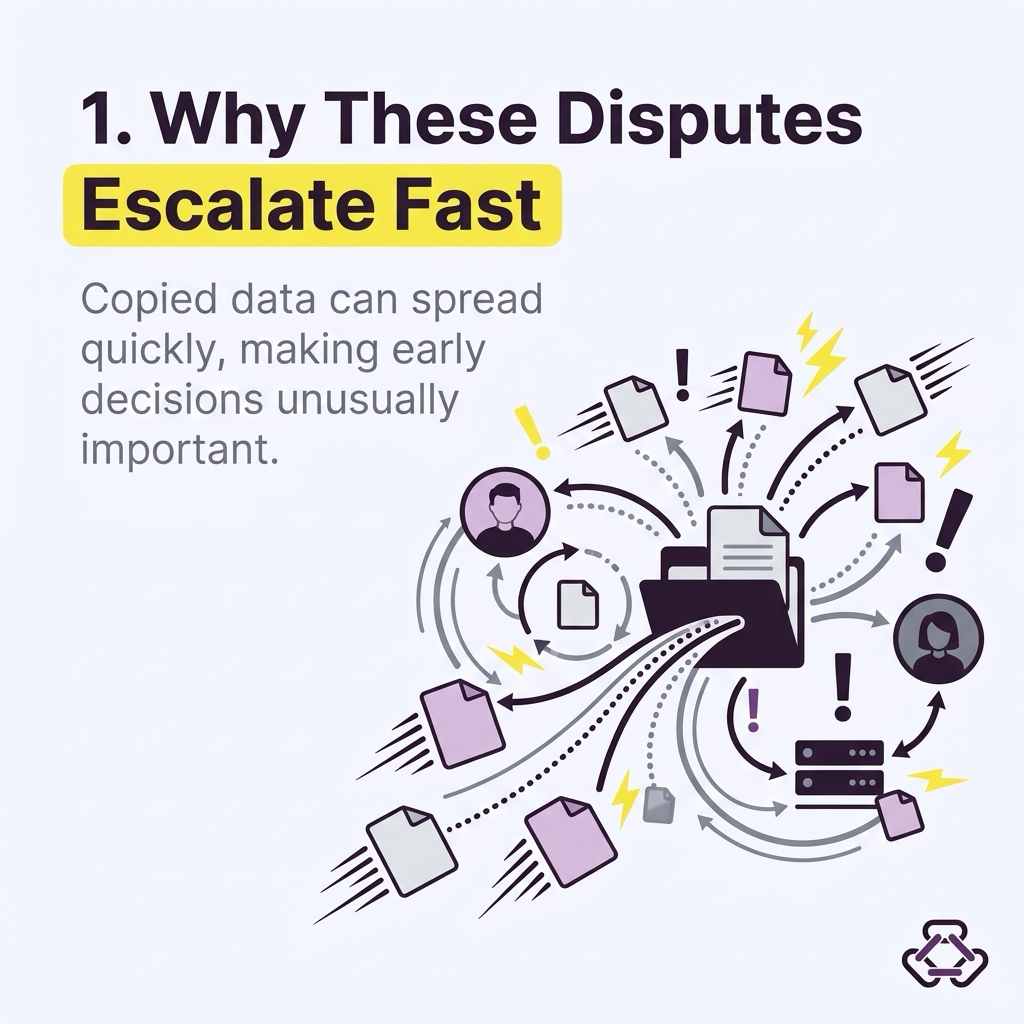
Confidential-information disputes tend to accelerate because the harm can spread fast. A source code repository can be copied in minutes. A pricing model can be forwarded before an access account is shut down. A customer list can be loaded into a personal device or cloud account and then used to redirect business. And once secrecy is lost, the business may argue that the damage is hard to unwind.
That urgency is one reason trade secret statutes frequently focus on injunctions and other early remedies. The DTSA expressly allows courts to grant injunctions in appropriate cases and, in extraordinary circumstances, even authorizes a civil seizure process designed to prevent dissemination of trade secret material. 18 U.S.C. § 1836(b). Civil seizure is unusual and tightly limited, but its existence reflects how seriously courts and lawmakers view imminent disclosure risks.
Courts also handle these cases under emergency injunction procedures, including temporary restraining orders and preliminary injunctions under Federal Rule of Civil Procedure 65. In practice, that often means evidence preservation, timelines, and messaging decisions made on day one can matter far more than businesses initially expect.
What Counts As “Confidential Information” Versus A Trade Secret
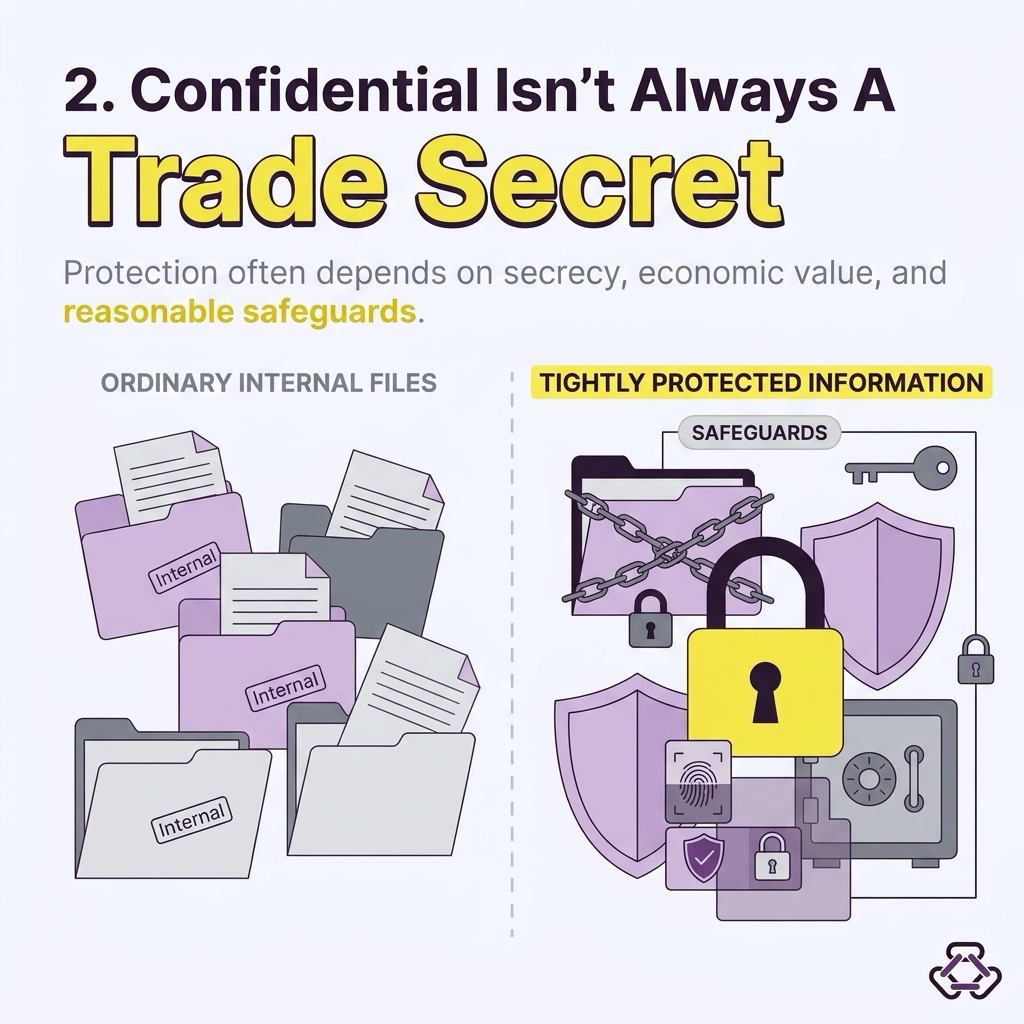
Not every confidential file is a trade secret, and not every internal document qualifies for the same level of protection. That distinction often shapes the legal strategy.
Under the DTSA, a trade secret generally includes financial, business, scientific, technical, economic, or engineering information if it derives independent economic value from not being generally known and if the owner took reasonable measures to keep it secret. 18 U.S.C. § 1839(3). State laws usually follow a similar structure because trade secret protection across the country is heavily influenced by the UTSA framework. The Uniform Law Commission describes the UTSA as one of its widely adopted acts. Uniform Law Commission.
Examples that may qualify, depending on the facts, can include:
- source code and technical architecture
- manufacturing processes
- nonpublic pricing formulas
- strategic plans
- customer-specific data and buying patterns
- bid models
- product roadmaps
- supplier terms
- proprietary training materials
- internal research and development
But labels alone rarely decide the issue. A folder named “CONFIDENTIAL” is helpful, yet courts often look for evidence that the company consistently treated the information as secret. The Department of Justice has noted that trade secret owners are expected to take reasonable security measures, such as using non-disclosure agreements, and that trade secret status can be lost through disclosure. DOJ Justice Manual.
Step 1: Stabilize Access And Stop Further Loss
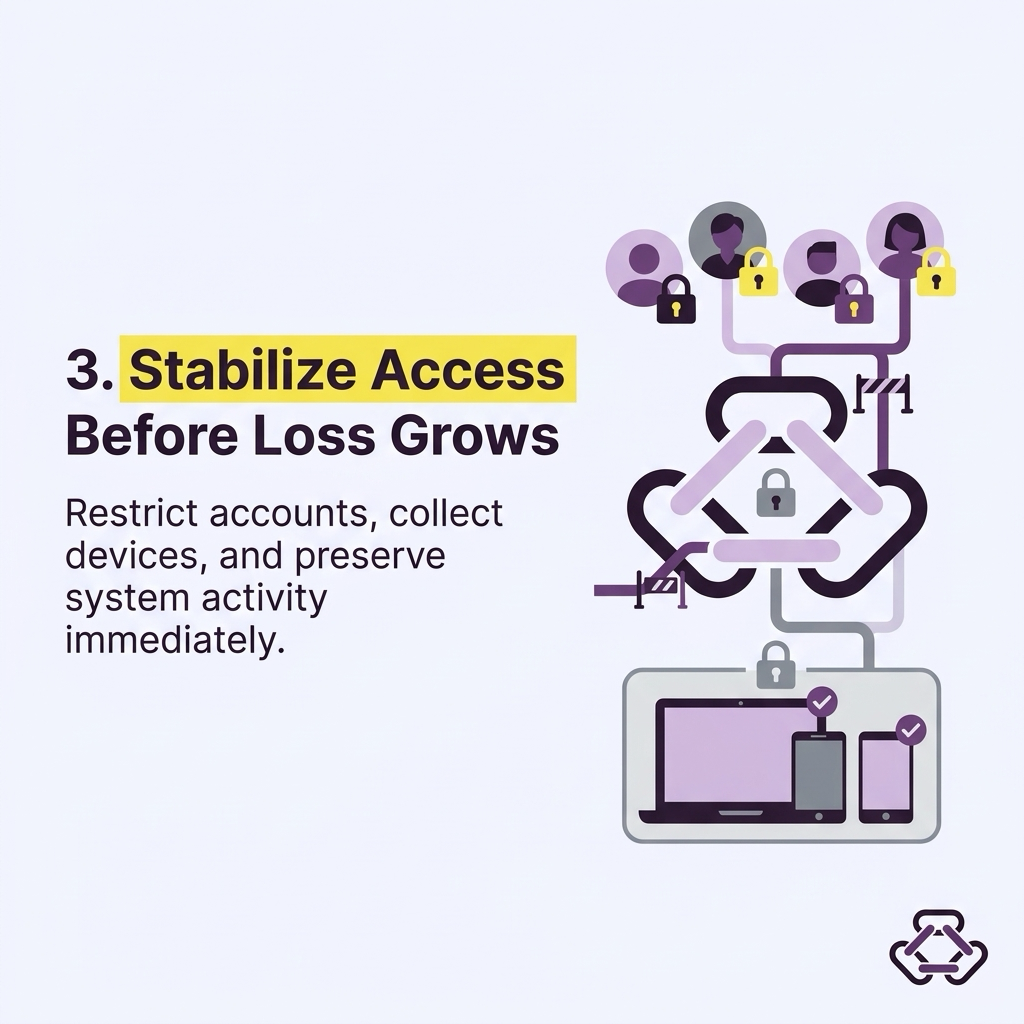
When a business suspects confidential information was taken, the first response is often operational before it becomes legal.
Some companies begin by:
- disabling or narrowing account access
- preserving email, chat, VPN, and download logs
- collecting company devices
- suspending remote syncing
- reviewing forwarding rules and cloud sharing activity
- checking whether external storage devices were connected
- limiting who internally discusses the issue
This kind of stabilization often matters because insider incidents are not limited to dramatic theft. The Cybersecurity and Infrastructure Security Agency defines insider threat broadly as harm by someone with authorized access, whether intentional or unintentional. CISA’s insider threat overview. The FBI has also highlighted behaviors like unauthorized searches, downloading confidential material, and disregard of company computer-security policies as indicators that can accompany insider misuse. FBI guidance on insider threat warning signs.
In general terms, early containment can reduce additional copying and also create a cleaner factual record for counsel, forensic specialists, insurers, and possibly the court.
Step 2: Preserve Evidence Before Anyone “Cleans Things Up”
One of the most common early mistakes is letting IT overwrite logs, reissue devices, wipe laptops, or reset accounts in ways that destroy evidence. That can create problems even when done for understandable business reasons.
NIST’s incident-handling guidance emphasizes preserving evidence during security incidents. NIST SP 800-61 archive. In trade secret disputes, preserved evidence often becomes the difference between suspicion and proof: USB history, cloud-transfer logs, unusual print activity, personal-email forwarding, compressed archive files, or access shortly before resignation.
This is also where legal counsel and forensic professionals often work together. The Federal Judicial Center has published a lengthy Trade Secret Case Management Judicial Guide, reflecting how fact-intensive these disputes can become and how heavily litigation can depend on early technical evidence.
A business that moves too aggressively without preserving evidence may later struggle to show what was taken, when it was taken, whether it was opened or used, and who had access.
Step 3: Identify Exactly What Was Taken
A vague statement like “our confidential information was stolen” is rarely enough. Companies often gain more traction when they can define the material precisely.
That often includes questions like:
What Specific Files Or Data Sets Are At Issue?
Courts and opposing counsel often look for a reasonably clear description of the information. Broad accusations involving “all know-how” or “everything the employee learned here” can be harder to sustain.
How Valuable Is The Information?
Trade secret law focuses on information that has economic value because it is not generally known. 18 U.S.C. § 1839. Internal records showing competitive value, development cost, limited access, and business importance can help frame that issue.
Was The Information Actually Secret?
If the same information appears in marketing materials, patents, public demos, customer-facing decks, or widely shared documents, the trade secret argument may weaken.
Who Had Access?
Access logs, permission settings, and role-based restrictions can help establish both secrecy and opportunity for misuse.
Step 4: Assess Whether The Company Used Reasonable Secrecy Measures
This is one of the most litigated parts of many trade secret cases. A company may feel certain its information was proprietary, but the legal analysis often asks whether the company treated it that way in practice.
The Sedona Conference has noted that courts frequently consider confidentiality policies when examining whether an employer took reasonable measures to protect trade secrets. Sedona Commentary on Protecting Trade Secrets Throughout the Employment Life Cycle. The federal definition in the DTSA likewise requires “reasonable measures” to keep the information secret. 18 U.S.C. § 1839.
Relevant facts often include:
- confidentiality agreements
- employee handbooks and data-use policies
- access restrictions
- device and download controls
- exit interview practices
- document labeling
- vendor confidentiality provisions
- training records
- monitoring and audit systems
If a company never restricted access, never used confidentiality language, never separated sensitive materials from ordinary shared files, and never reminded employees of post-employment obligations, the case can become harder. That does not always end the dispute, but it often changes the leverage.
Step 5: Evaluate Contract Claims Alongside Trade Secret Claims
Not every case turns entirely on trade secret law. In many disputes, contract claims are just as important.
A former employee may have signed:
- a confidentiality agreement
- an invention assignment agreement
- a restrictive covenant
- a non-solicitation clause
- return-of-property language
- onboarding acknowledgments
- acceptable-use policies
Those agreements can matter even if some of the information at issue does not fully qualify as a trade secret. At the same time, employers often have to draft and enforce these agreements carefully. The FTC’s noncompete materials have repeatedly distinguished noncompetes from narrower confidentiality restrictions and NDAs, which generally remain a separate category of protection for legitimate confidential information and trade secrets. FTC overview; FTC proposed rule announcement.
That distinction matters because businesses sometimes assume any post-employment restriction will be treated the same way. In reality, the analysis can vary significantly depending on the clause, the state, and the facts.
Step 6: Consider A Preservation Letter Or Cease-And-Desist Strategy
Once the facts are clearer, businesses often explore written demands directed to the former employee, the new employer, the competitor, or some combination of them. These letters may ask recipients to preserve devices and accounts, stop using the information, return or delete materials, and identify where the data went.
The tone and scope of those letters can matter. Overly broad accusations can backfire. Narrow, factual demands supported by logs, agreements, and identified files often carry more weight.
Some companies also notify the new employer that disputed information may have been transferred. That type of communication can create an opportunity for negotiation, forensic protocol agreements, or voluntary quarantine of the material. In other situations, it can trigger immediate conflict. An attorney might help assess whether that communication is likely to reduce risk or increase it.
Step 7: Decide Whether Emergency Court Relief Is Realistically Available
Many businesses hear “injunction” and assume courts can instantly stop all misuse. Sometimes that happens. Often, however, emergency relief depends on the quality of the evidence and the speed of the response.
Under the DTSA, injunctions are available, and the statute also addresses damages, royalties in some circumstances, and attorney’s fees for bad-faith claims or willful and malicious misappropriation. 18 U.S.C. § 1836. Emergency relief in federal court generally proceeds under Rule 65, which governs TROs and preliminary injunctions.
In practical terms, courts often want to understand:
- what the trade secret is
- how the defendant accessed it
- what evidence suggests copying, retention, disclosure, or threatened use
- why money damages may not be enough
- what exact relief is being requested
- whether the proposed order is narrowly tailored
This is one reason these cases often move quickly into declarations, forensic affidavits, expedited discovery requests, and sealed filings. Businesses that delayed action for weeks or months may face harder questions about urgency.
Step 8: Think Carefully About The New Employer Or Competitor’s Role
Sometimes the former employee acted alone. Sometimes the receiving company knew or is alleged to have known exactly what was happening. That difference can affect claims, remedies, and settlement dynamics.
Questions that often matter include:
- Did the competitor ask for internal files, pricing, customer lists, or source code?
- Did it hire a group of employees from the same team at the same time?
- Did suspicious product similarities appear shortly after the hire?
- Did the new employer conduct onboarding steps designed to isolate the employee from restricted information, or not?
- Was there any instruction to bring documents or use prior employer materials?
When facts suggest deliberate acquisition or use, claims can expand beyond a single former employee. Federal criminal exposure can also arise in the most serious cases. Congress’s research service explains that the Economic Espionage Act made trade secret misappropriation a federal crime in certain circumstances. Congressional Research Service overview. The DOJ continues to bring trade secret theft and economic espionage cases, including recent matters involving confidential AI technology and other proprietary business information. DOJ press release on former Google engineer conviction; DOJ press release on stolen defense-contractor trade secrets.
Those criminal cases are not the norm in ordinary business disputes, but they show how seriously intentional theft of commercially valuable confidential information can be treated.
Common Mistakes That Can Weaken A Company’s Position
Even strong factual situations can become harder when the company’s response creates avoidable problems.
Waiting Too Long
A delayed response can undercut the argument that disclosure or use presents an urgent threat.
Describing The Secret Too Broadly
Courts often react better to specific categories and identified files than to sweeping claims about general know-how.
Failing To Preserve Evidence
Lost logs, reimaged laptops, and deleted cloud records can make proof much harder.
Overstating What The Law Covers
Employees are generally allowed to use their general skill and experience. A dispute often turns on protected confidential information, not ordinary professional knowledge.
Ignoring The Company’s Own Practices
If trade secret treatment existed mostly on paper, the opposing side may focus heavily on that gap.
Sending An Aggressive Letter Without A Factual Foundation
A rushed demand unsupported by evidence can trigger declaratory-judgment actions, employment claims, or credibility issues.
What If The Information Is Already In Use?
Sometimes the company learns about the problem only after the competitor has already launched a product, contacted customers, submitted a bid, or incorporated disputed materials into operations.
That does not necessarily end the legal analysis. A business may still explore:
- emergency relief to stop further use or disclosure
- forensic inspection protocols
- damages theories tied to unjust enrichment or actual loss
- royalty-based remedies in certain circumstances under the DTSA
- claims against multiple parties
- negotiated return, deletion, or isolation protocols
Even in those situations, precision tends to matter. Courts often want targeted requests grounded in evidence rather than generalized allegations that a competitor “must have used” internal materials.
Why Attorney Fit Matters In Trade Secret Emergencies
Trade secret disputes sit at the intersection of employment law, commercial litigation, computer forensics, injunction practice, and sometimes unfair competition claims. A company dealing with data exfiltration by a former employee may be looking for counsel who has handled TROs, preservation fights, forensic protocols, expedited discovery, and sealed filings in highly similar matters.
That can be a very different skill set from general business litigation. It may also differ from ordinary employment counseling. In general terms, companies often look for lawyers with documented experience in emergency confidentiality disputes, especially when the case may require quick filings, expert coordination, and evidence-based framing around secrecy measures and misuse.
A Short Summary
When a former employee or competitor takes confidential information, the response often turns on speed, precision, and proof. The legal questions usually include whether the information qualifies as a trade secret, whether the company took reasonable steps to keep it secret, what evidence shows access or misuse, and whether emergency relief is realistic under the facts. Federal law under the DTSA and state trade secret statutes may offer meaningful remedies, but early missteps can narrow those options.
If your business is dealing with suspicious downloads, departing employees, missing files, or a competitor that suddenly appears to have inside information, an attorney might help evaluate the facts, preserve evidence, and determine whether the situation involves trade secret misappropriation, contract breaches, or other business torts.
Visit ReferU.AI to get matched with an attorney who has demonstrable experience in cases like yours — for free.
