Table of Contents
- Fiancé Visa: A Beginner’s Guide to the K-1 Process
- What Is A K-1 Fiancé Visa?
- Who Can Qualify For A K-1 Visa?
- What Is The Basic K-1 Process?
- What Does The U.S. Citizen File First?
- What Kind Of Evidence Do Couples Usually Include?
- What Happens After USCIS Approves The Petition?
- How Long Does The K-1 Process Take?
- What Financial Support Is Required?
- What Documents Are Commonly Required For The Interview?
- Is A Medical Exam Required?
- What Happens After The Visa Is Issued?
- What About Children On A K-1 Case?
- What Happens After Marriage?
- What Are Some Common Reasons K-1 Cases Get Delayed?
- When Does It Make Sense To Talk With An Immigration Attorney?
- A Short Summary For Beginners

Type
Great Grandchild
Status
Approved
Title (YouTube)
Images Failed (Social)
Images Failed (Social)
Do not index
Publish Date (TikTok)
Apr 27, 2027 15:45
Videos Post IDs (Social)
Hashtags (Social)
#LegalAdvice #LegalHelp #Immigration #FianceVisa
Caption
Caption X
Cover

OG Image

Alt Image Text
Flat vector illustration of a couple with documents, passport, calendar, ring, and travel icons representing the fiancé visa and K-1 process.
Images

Videos
Publish Date (Social)
Feb 20, 2027 11:30
Scheduled (Social)
Scheduled (Social)
Videos Posted (Social)
Videos Posted (Social)
Videos Failed (Social)
Videos Failed (Social)
Created time
Apr 7, 2026 12:00 AM
Sub-item
Authors
CTA Practice Area (Social)
Immigration
TikTok Failed (Social)
TikTok Failed (Social)
Videos Post Links (Social)
Content Updated
May 6, 2026
Images Posted (Social)
Images Posted (Social)
Featured
TikTok Post Links (Social)
Images Post IDs (Social)
YT Post ID
Video Pending Manual (Social)
TikTok Posted (Social)
TikTok Posted (Social)
TikTok Post IDs (Social)
Video Cover (Social)
Images Post Links (Social)
First Comment (Social)
YT Embedded
Images Delete (Social)
Videos Delete (Social)
Fiancé Visa: A Beginner’s Guide to the K-1 Process
If you and your partner are planning a life together in the United States, the K-1 fiancé visa process can feel exciting, emotional, and a little overwhelming all at once. There are forms, timing issues, interview requirements, and a lot of questions about what happens after arrival.
The good news is that the process becomes much easier to understand once it’s broken into steps. In this post you’ll learn what a K-1 visa is, who qualifies, how the process usually works, what documents couples often gather, how long different stages can take, and what happens after the wedding. If you want a broader overview of the full path from petition to arrival and beyond, this more detailed breakdown of the overall fiancé visa timeline can also help fill in the bigger picture.
Scroll to the bottom for every post in this series.
What Is A K-1 Fiancé Visa?
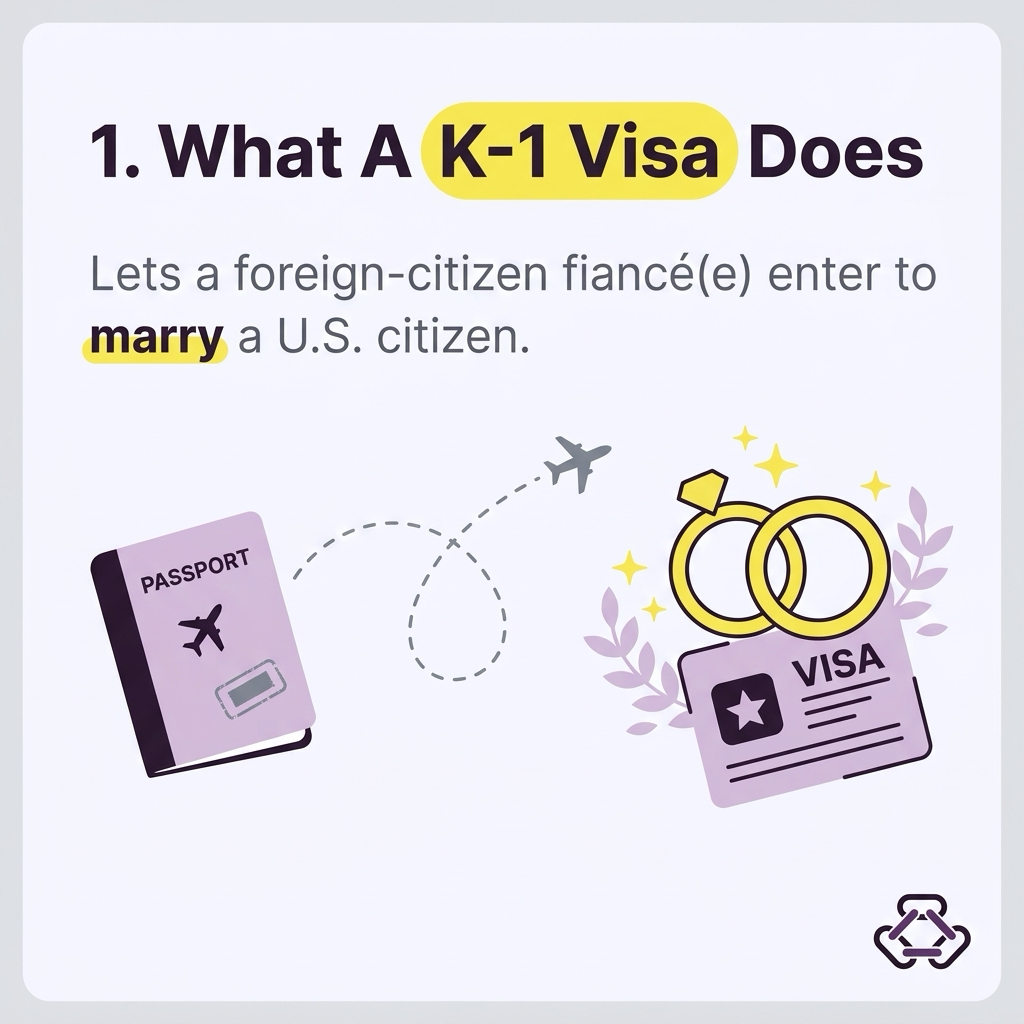
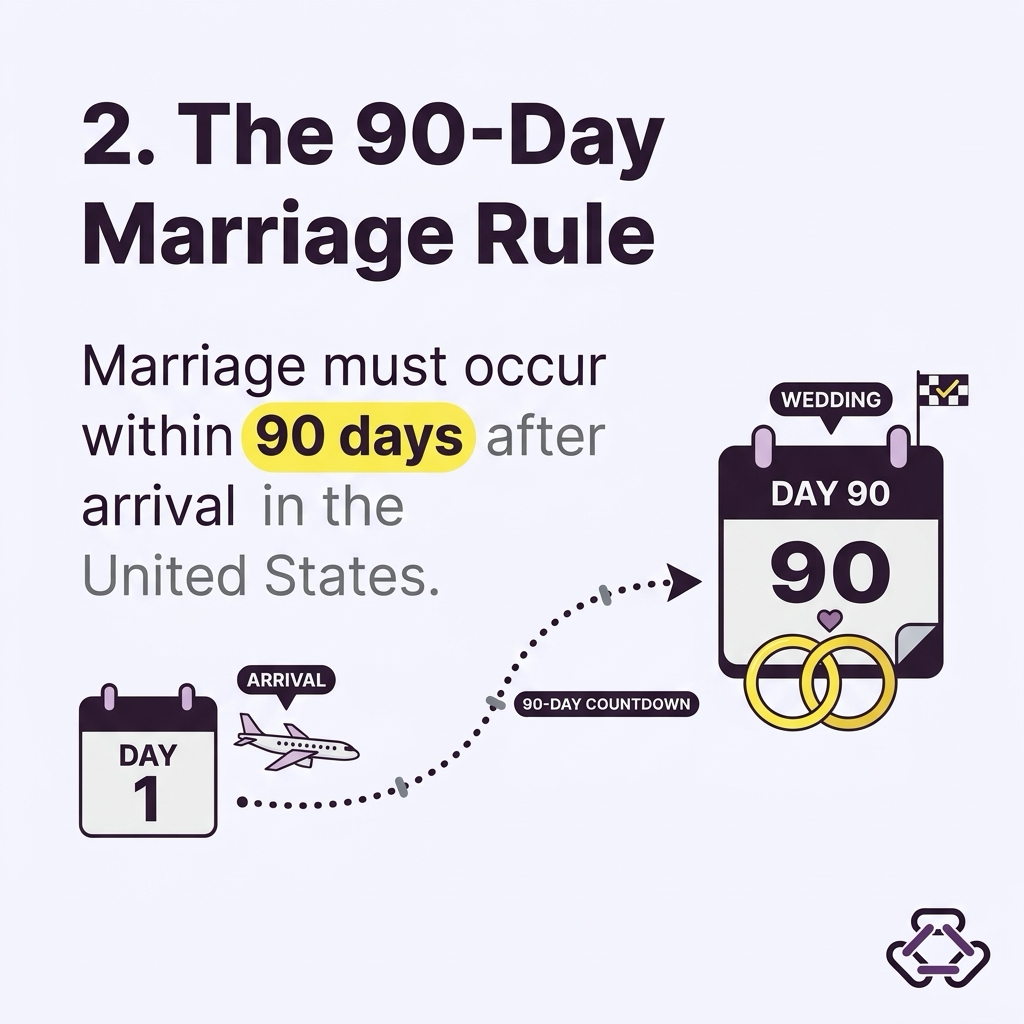
A K-1 visa is a nonimmigrant visa for the foreign-citizen fiancé(e) of a U.S. citizen. It allows that fiancé(e) to travel to the United States for the purpose of marrying the U.S. citizen sponsor within 90 days of arrival. After the marriage, the foreign-citizen spouse may apply for adjustment of status to seek lawful permanent residence through USCIS, according to the U.S. Department of State’s K-1 guidance.
That 90-day rule is one of the core features of the K-1 process. The visa is designed for marriage in the United States after entry, not for indefinite travel flexibility or a long engagement period after arrival.
Who Can Qualify For A K-1 Visa?
In general terms, a K-1 case starts with a few basic eligibility points.
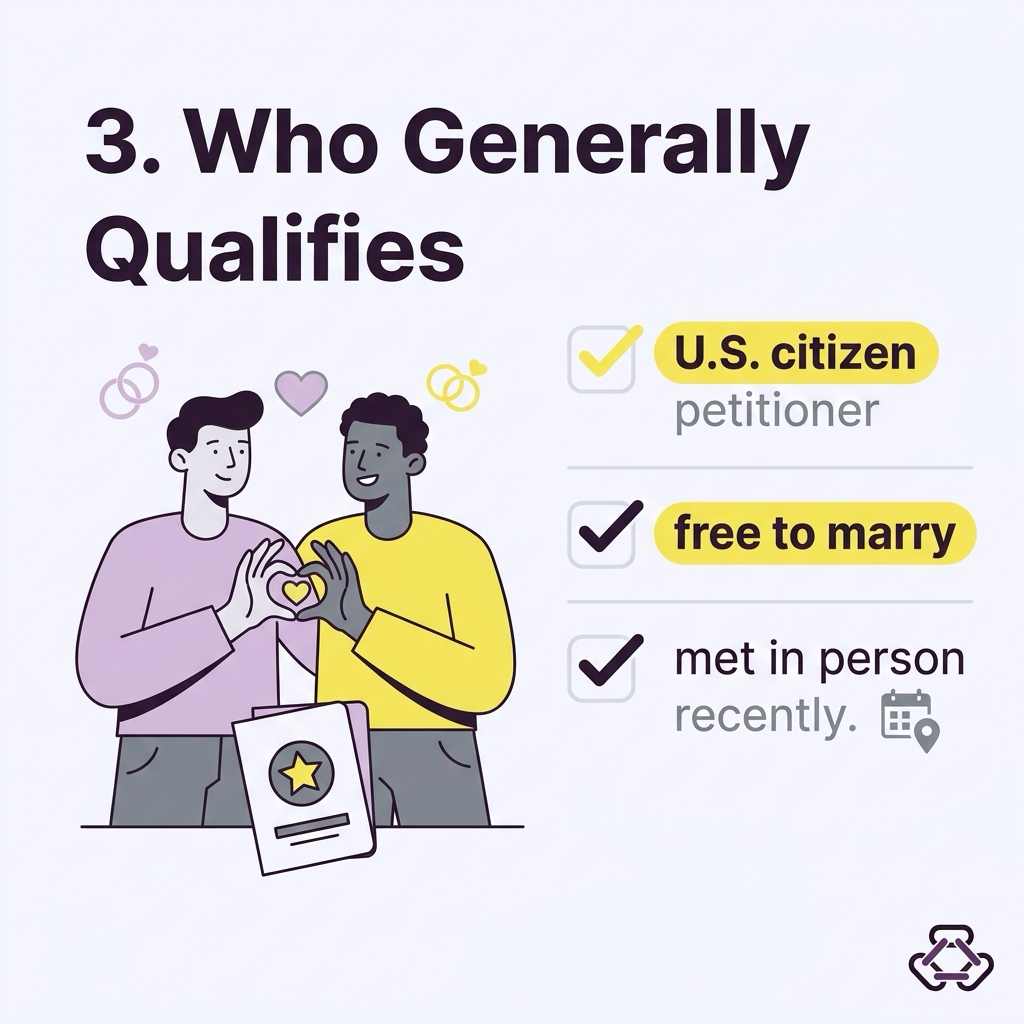
According to the Department of State and USCIS Form I-129F information, the petitioner is a U.S. citizen, not a lawful permanent resident. Both people are typically expected to be legally free to marry when the petition is filed and to remain free to marry through the visa process. The couple also generally must have met in person within the two years before filing, although USCIS recognizes limited exceptions in certain hardship or cultural circumstances, as explained by the Department of State.
That sounds simple on paper, but real-life situations can get more complicated fast. Prior marriages, missing divorce records, prior immigration filings, criminal history, children from previous relationships, long periods spent abroad, and inconsistent evidence can all affect how a case is reviewed.
What Is The Basic K-1 Process?
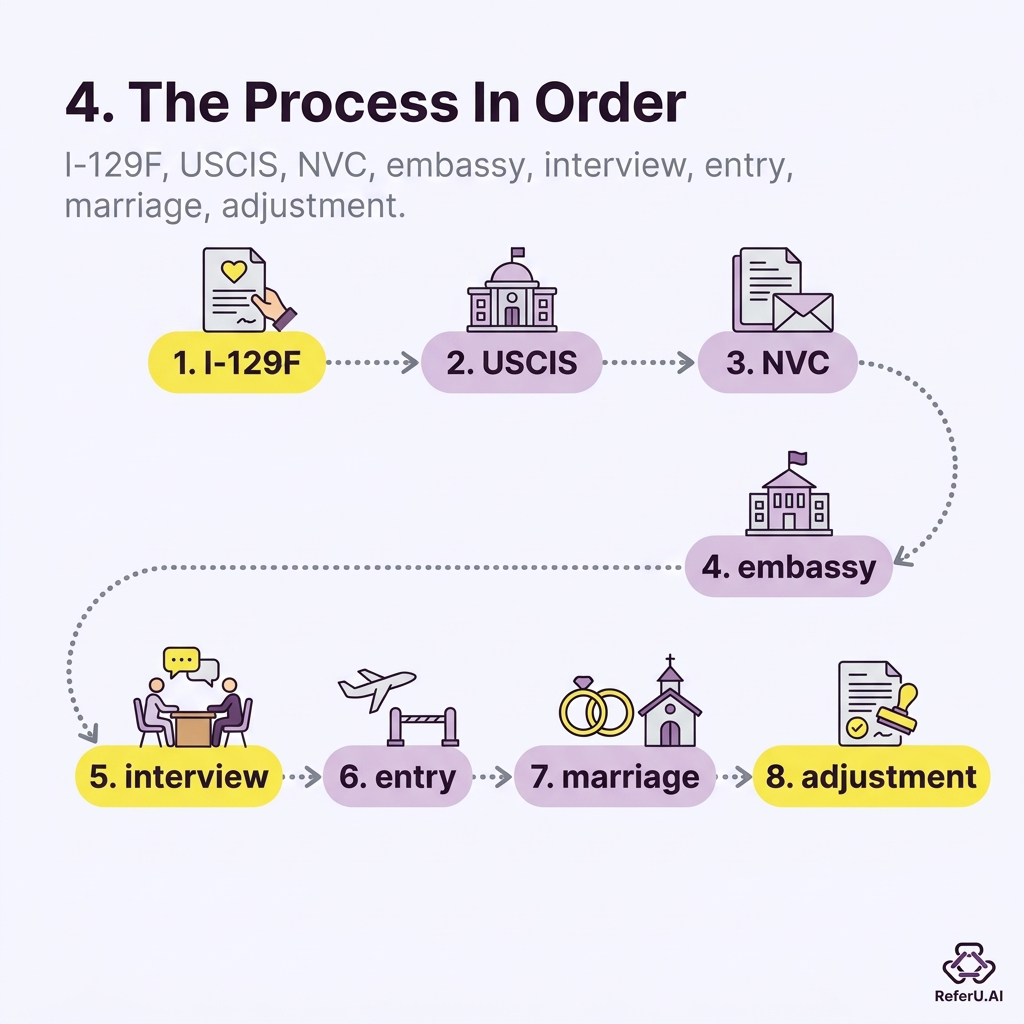
At a beginner level, the K-1 path usually looks like this:
- The U.S. citizen files Form I-129F with USCIS.
- USCIS reviews the petition.
- If USCIS approves it, the case is forwarded to the National Visa Center.
- The case then moves to the appropriate U.S. embassy or consulate abroad.
- The foreign-citizen fiancé(e) completes the visa application steps, including Form DS-160, medical exam, civil documents, and interview preparation.
- If the visa is issued, the fiancé(e) travels to the United States.
- The couple marries within 90 days of entry.
- After marriage, the foreign-citizen spouse may file for adjustment of status to pursue a green card.
That general sequence comes from the Department of State’s official K-1 page and the USCIS fiancé visa page.
What Does The U.S. Citizen File First?
The first major filing is Form I-129F, Petition for Alien Fiancé(e). USCIS uses this petition to review the relationship and determine whether the case can move forward in the K-1 process. USCIS’s current Form I-129F page shows an edition date of January 20, 2025, which is a reminder that couples often benefit from confirming they are using the latest version of the form and instructions before mailing anything to the lockbox listed by USCIS on its official filing page.
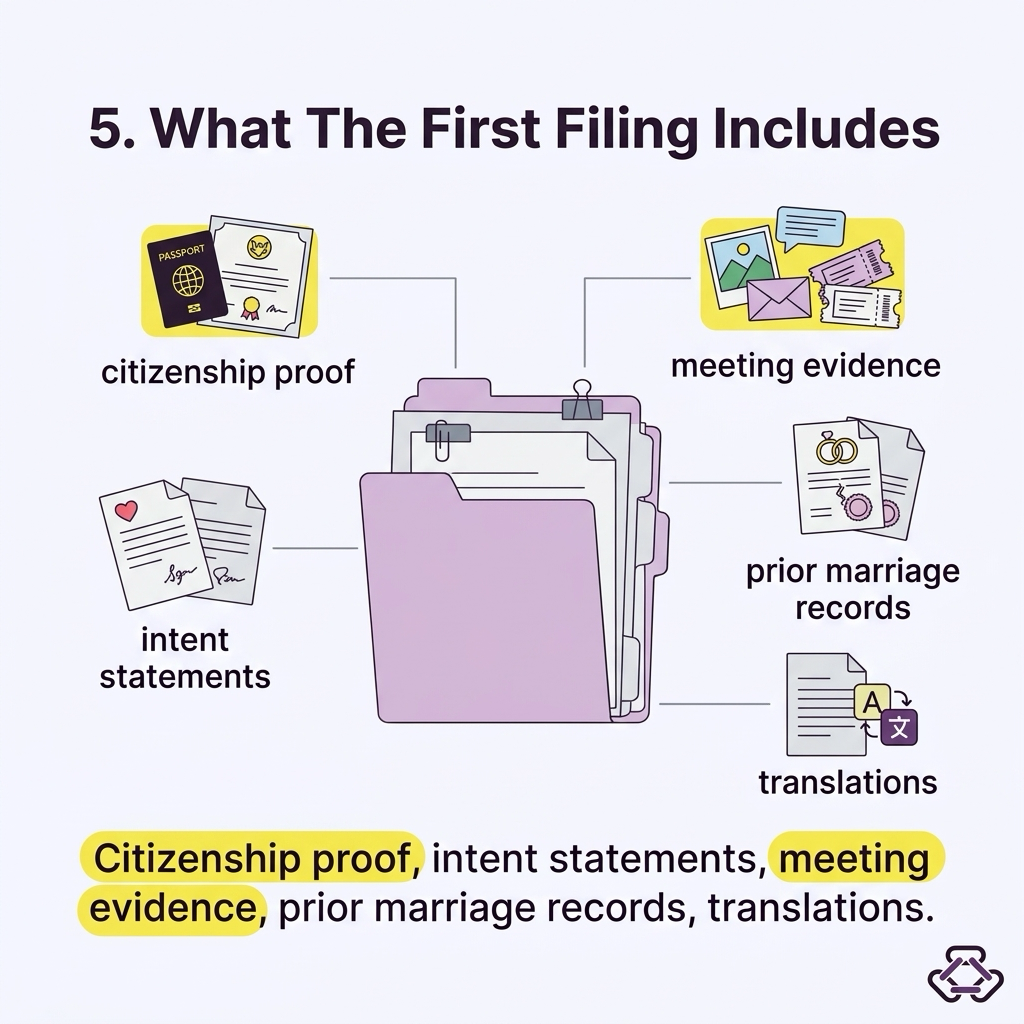
USCIS also provides an optional checklist for Form I-129F, which highlights several items commonly submitted with the petition, including:
- evidence of U.S. citizenship
- passport-style photos
- signed statements of intent to marry
- proof that prior marriages were legally terminated
- evidence the couple met in person within the prior two years
- certified English translations where required
Even though USCIS labels that checklist as optional, it gives couples a practical snapshot of what the agency often expects to see in a clean, organized filing.
What Kind Of Evidence Do Couples Usually Include?
A K-1 case is partly about legal eligibility and partly about documentation. Government agencies often look for evidence showing the relationship is genuine and the filing is complete.
Typical evidence may include:
- proof of the petitioner’s U.S. citizenship
- copies of passports
- photos together over time
- travel records showing in-person meetings
- chat logs, call history, and correspondence
- engagement evidence
- written intent-to-marry statements
- divorce decrees or death certificates from prior marriages
- certified translations for non-English documents
Later in the process, the foreign-citizen fiancé(e) is commonly asked to bring civil documents, a passport, birth certificate, police certificates, medical exam results, visa application confirmation, photographs, and relationship evidence to the interview, according to the Department of State’s K-1 documentation list.
This is one reason organization matters so much. Cases often become harder when a couple has a real relationship but the paper trail is thin, inconsistent, untranslated, or incomplete.
What Happens After USCIS Approves The Petition?
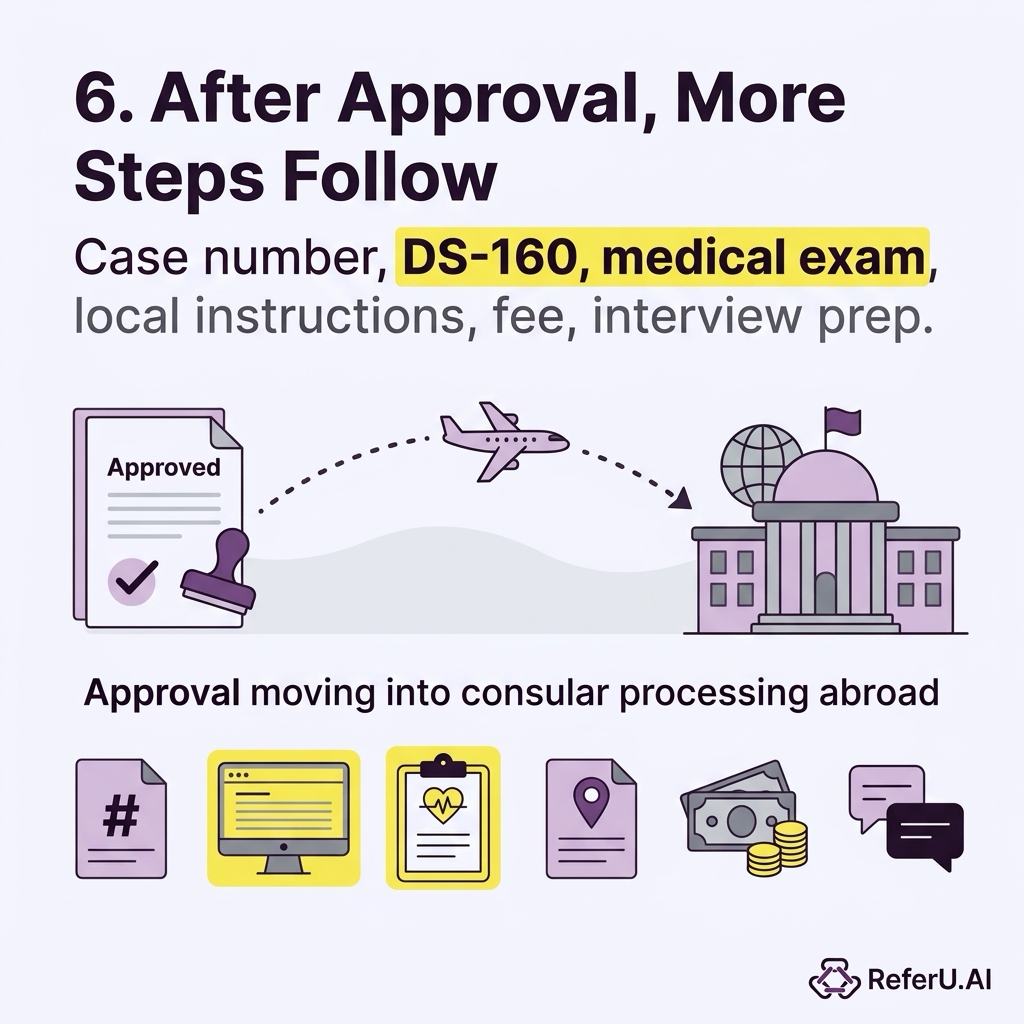
After USCIS approves Form I-129F, the case goes to the National Visa Center, which assigns a case number and forwards the matter to the U.S. embassy or consulate that will handle the visa interview, according to the Department of State.
At that stage, the foreign-citizen fiancé(e) typically completes:
- Form DS-160
- the medical exam with an authorized panel physician
- document collection
- interview scheduling steps required by the local embassy or consulate
- payment of the relevant visa processing fee
Embassy-specific instructions can vary. The State Department notes that local consular posts may have additional document or procedural requirements, which is one reason couples often experience different timelines even when their cases look similar on paper.
How Long Does The K-1 Process Take?
This is one of the most common questions, and it is also one of the hardest to answer with precision.
The Department of State explains that the timeline varies by case and that some applications are delayed because of incomplete information, failure to follow instructions carefully, or post-interview administrative processing. USCIS also directs filers to its processing-times tools for Form I-129F on its fiancé visa page.
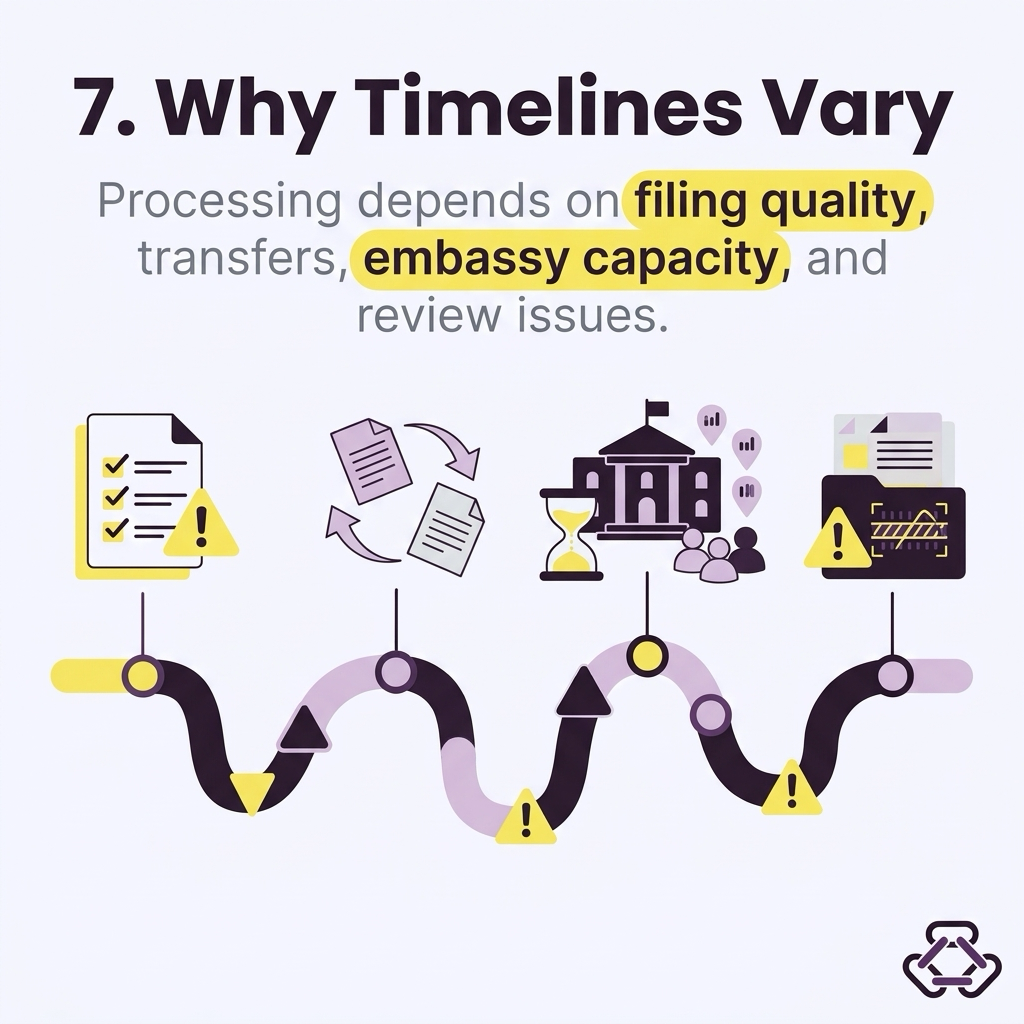
In practical terms, timing often depends on several moving parts:
- USCIS workload for I-129F petitions
- whether the original filing is complete
- how quickly the case transfers after approval
- the interview capacity at the assigned embassy or consulate
- whether extra background review or administrative processing occurs
- how quickly the couple gathers police certificates, translations, and medical exam results
So when couples ask, “How long does it take?” the more accurate answer is often, “It depends on the petition quality, the embassy, and whether the case hits any review issues.”
What Financial Support Is Required?
The K-1 process has a financial support component, but it is often misunderstood.
For the visa interview, the foreign-citizen applicant may be asked to present evidence that they are not likely to become a public charge. The Department of State notes that a consular officer may request Form I-134, Affidavit of Support, and states that applicants presenting Form I-134 generally need to show the U.S. sponsor’s income at 100% of the federal poverty guideline.
Later, after the marriage, the process changes. The State Department explains that the U.S. citizen spouse will submit Form I-864 with the adjustment-of-status filing for permanent residence, and that form follows a different financial framework than the I-134.
USCIS also notes on its Affidavit of Support page that an affidavit of support is not submitted with the initial I-129F petition itself. That distinction matters because some couples gather the wrong financial forms too early or assume the first petition stage works like the green card stage.
What Documents Are Commonly Required For The Interview?
According to the Department of State’s K-1 page, consular interviews commonly involve:
- DS-160 confirmation
- valid passport
- birth certificate
- divorce or death records from prior marriages
- police certificates from qualifying countries
- medical exam results
- relationship evidence
- photographs
- proof of financial support, if requested
- fee payment records
The same State Department guidance also notes that civil documents generally must come from the official issuing authority in the relevant country, and documents not in English or the official language of the country of application generally require certified translations.
This stage is where many avoidable delays begin. A missing police certificate, a noncompliant translation, or inconsistent answers between the petition and interview documents can create problems that are expensive in both time and stress.
Is A Medical Exam Required?
Yes. The foreign-citizen fiancé(e) will generally go through a medical examination with an authorized panel physician before visa issuance, according to the Department of State.
Vaccinations are a point of confusion. The State Department explains that required immigrant-style vaccinations are encouraged at the K-1 visa stage, but they are particularly important because they are required during adjustment of status after the marriage. USCIS likewise explains on its vaccination requirements page that applicants adjusting status to permanent residence are subject to vaccination requirements. USCIS also announced that, as of January 22, 2025, it is waiving the COVID-19 vaccination documentation requirement for adjustment-of-status applicants on this USCIS alert.
For many couples, handling vaccination issues early can reduce duplicate effort later.
What Happens After The Visa Is Issued?
If the K-1 visa is issued, the visa holder can travel to the United States and request admission at a port of entry. The Department of State notes that the K-1 visa is valid for a single admission and is generally valid for up to six months from the date of issuance.
After entry, the couple has 90 days to marry. The same State Department guidance also explains that a visa does not guarantee admission; U.S. Customs and Border Protection makes the final decision at the port of entry.
That distinction sometimes surprises couples. Visa issuance is a major milestone, but it is not quite the very last step.
What About Children On A K-1 Case?
Eligible children of the K-1 beneficiary may receive K-2 visas. According to the Department of State, the U.S. citizen does not file a separate I-129F petition for each qualifying child, but the child must be listed in the petition, and each K-2 applicant files a separate visa application and pays the required fee.
The State Department also explains that children may accompany the K-1 parent or follow later, but generally must travel within the validity of the K-2 visa and within one year of the K-1 visa issuance if using that follow-to-join route.
For families with children nearing age cutoffs or with custody complications, timing and documentation can become especially sensitive.
What Happens After Marriage?
After the wedding, the foreign-citizen spouse may file for adjustment of status with USCIS to seek permanent residence. USCIS’s adjustment-of-status guidance explains the broader process for applying to become a lawful permanent resident from inside the United States. The State Department’s K-1 page also confirms that adjustment of status is the next step after a K-1 marriage.
This later stage often includes additional forms, filing fees, biometrics, and supporting evidence. Many couples also explore work authorization and travel authorization questions at the same time, since a K-1 entrant’s options can change significantly before and after the adjustment filing is submitted.
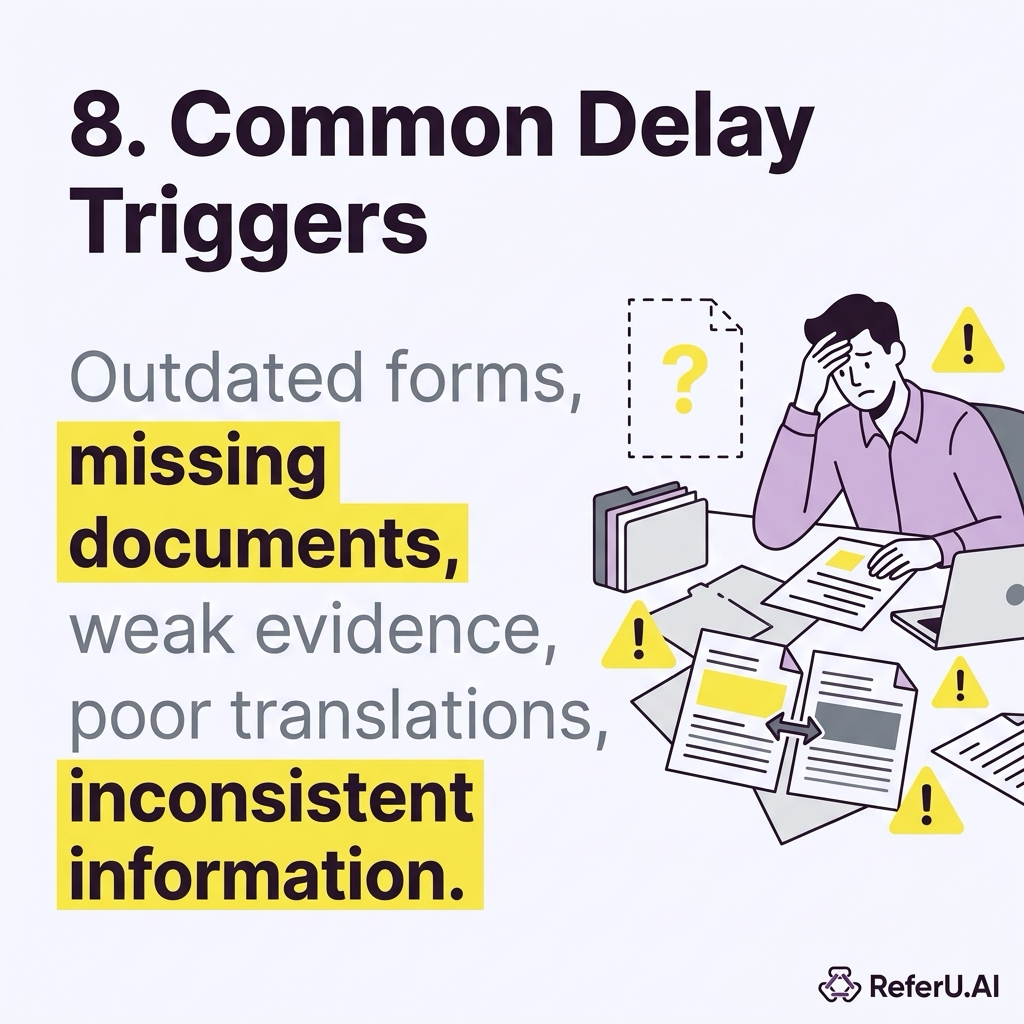
What Are Some Common Reasons K-1 Cases Get Delayed?
While every case is different, a few delay patterns show up repeatedly:
- incomplete or outdated forms
- missing signatures
- filing with the wrong edition or address
- insufficient evidence of meeting in person
- weak proof of a genuine relationship
- inconsistent biographical information
- missing civil documents
- poor translations
- embassy-specific instructions being overlooked
- administrative processing after interview
- prior immigration or criminal issues that require deeper review
USCIS also offers Form G-1145 e-notification for certain lockbox filings so applicants can receive a text or email when a filing is accepted, which can help couples track the early stage more closely.
In many situations, delays are not about whether the relationship is real. They are about whether the file tells a clear, complete, and internally consistent story.
When Does It Make Sense To Talk With An Immigration Attorney?
Some K-1 cases are relatively straightforward. Others involve facts that can change the legal analysis quickly, including:
- prior visa overstays
- prior denials
- criminal history
- income questions
- difficult divorce history
- children with custody or age issues
- prior petitions for other partners
- marriage fraud concerns
- embassy-specific complications
- urgency tied to pregnancy, military service, or expiring documents
In situations like those, an immigration attorney may help evaluate risks, organize evidence, and identify issues before they become expensive delays. That can be especially helpful when the couple’s facts do not fit neatly into a standard checklist.
A Short Summary For Beginners
The K-1 fiancé visa process is built around a simple idea: a U.S. citizen petitions for a foreign-citizen fiancé(e), the case moves through USCIS and the State Department, the fiancé(e) enters the United States on a K-1 visa, the couple marries within 90 days, and then the foreign-citizen spouse seeks permanent residence through adjustment of status.
Simple does not always mean easy. The paperwork, timing, and evidence requirements can create real pressure, especially where there are prior marriages, children, financial concerns, inconsistent records, or interview complications.
For couples trying to move forward with confidence, an attorney with documented experience in highly similar fiancé visa matters may help clarify what issues matter most, what evidence gaps may exist, and how the case fits the current process.
Visit ReferU.AI to get matched with an attorney who has demonstrable experience in cases like yours — for free.
