Table of Contents
- How to Prepare an Immigration Appeal Without Missing Core Deadlines
- 1. Identify Exactly What Kind Of Decision You Are Appealing
- 2. Calendar The Real Deadline, Not The Deadline You Hope Applies
- For BIA Appeals From Immigration Judge Decisions
- For USCIS Appeals And Motions
- For Motions To Reopen Or Reconsider At The BIA
- 3. Get The Record Together Before Writing The Argument
- 4. Match The Argument To The Correct Procedure
- 5. Use The Correct Form, Filing Method, And Fee Rules
- BIA Appeals
- USCIS Appeals And Motions
- Naturalization Hearings
- 6. Build A Timeline That Includes More Than The Final Due Date
- 7. Do Not Overlook Address And Service Requirements
- 8. Write The Appeal Around Specific Errors, Not Just Frustration
- 9. Plan For The Possibility That Filing Does Not Automatically Pause Removal Or Other Consequences
- 10. Work Backward From Risk, Not Just From Hope
- Common Deadline Mistakes People Make In Immigration Appeals
- Waiting To Read The Fine Print
- Confusing Appeals With Motions
- Assuming Mailing Preserves The Deadline
- Forgetting The Briefing Schedule
- Using The Wrong Form
- Missing Address Updates
- A Short Summary

Type
Great Grandchild
Status
Approved
Title (YouTube)
Images Failed (Social)
Images Failed (Social)
Do not index
Publish Date (TikTok)
Apr 22, 2027 10:15
Videos Post IDs (Social)
Hashtags (Social)
#LegalAdvice #LegalHelp #Immigration #ImmigrationAppeals
Caption
Caption X
Cover

OG Image

Alt Image Text
Flat vector illustration of an immigration appeal process with core deadlines, showing a person organizing documents, calendar, and filing steps before submission.
Images

Videos
Publish Date (Social)
Feb 17, 2027 08:30
Scheduled (Social)
Scheduled (Social)
Images Posted (Social)
Images Posted (Social)
Videos Posted (Social)
Videos Posted (Social)
Featured
Created time
Apr 7, 2026 12:03 AM
Sub-item
Authors
CTA Practice Area (Social)
Immigration
TikTok Failed (Social)
TikTok Failed (Social)
Videos Post Links (Social)
TikTok Post Links (Social)
Images Post IDs (Social)
YT Post ID
Video Pending Manual (Social)
TikTok Posted (Social)
TikTok Posted (Social)
TikTok Post IDs (Social)
Video Cover (Social)
Images Post Links (Social)
First Comment (Social)
Videos Failed (Social)
Videos Failed (Social)
YT Embedded
Images Delete (Social)
Videos Delete (Social)
Carousel Video URL (Social)
How to Prepare an Immigration Appeal Without Missing Core Deadlines
An immigration denial can feel overwhelming, especially when the next step comes with technical rules, multiple forms, and very short filing windows. In many cases, the appeal process is not just about explaining why a decision seems wrong. It is also about getting the timing, filing method, service rules, and supporting record right from the start.
In this post you’ll learn how to prepare an immigration appeal in a way that keeps the biggest deadline issues in view, how appeals differ depending on whether the decision came from an immigration judge or USCIS, and where people often lose time without realizing it. If you want a broader overview of the different paths after a denial, this guide on what happens after an immigration decision is challenged can help place the timeline in context.
Scroll to the bottom for every post in this series.
1. Identify Exactly What Kind Of Decision You Are Appealing
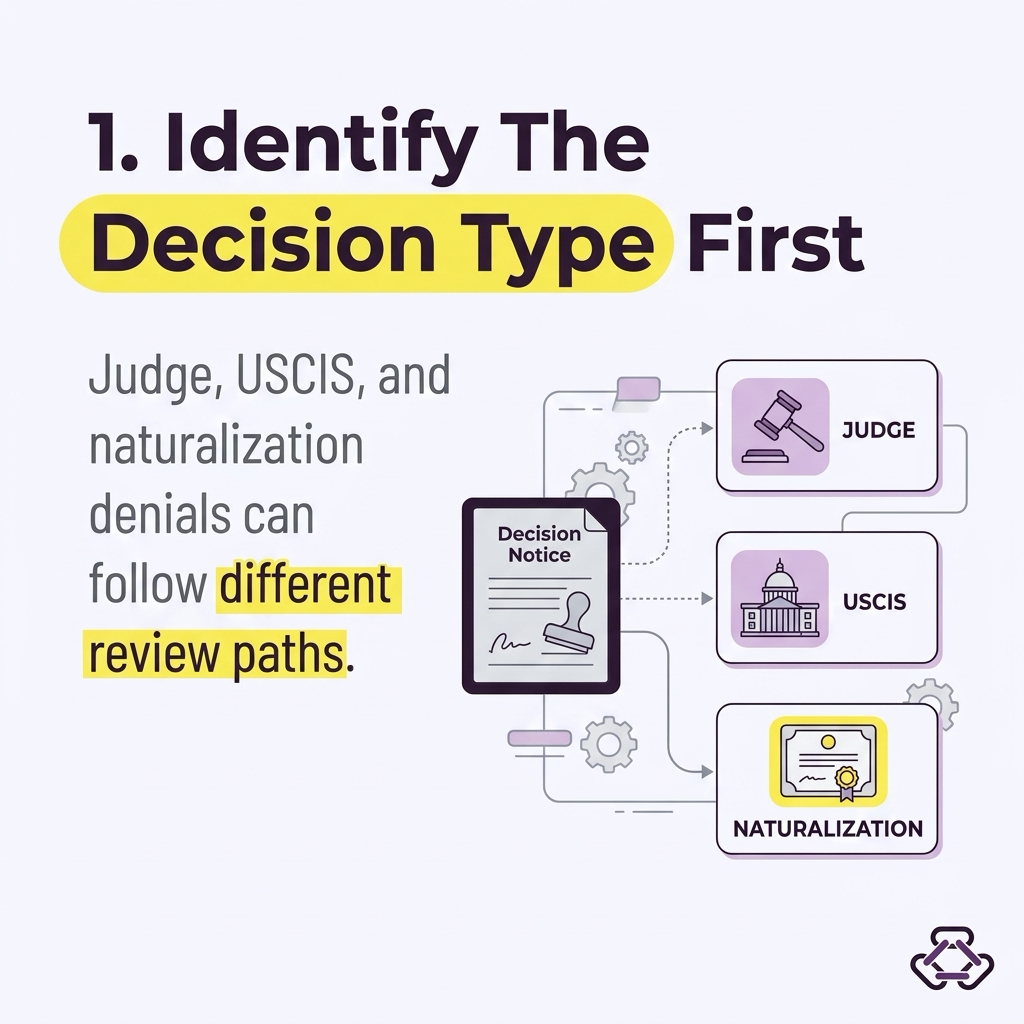
Before drafting anything, it helps to confirm who issued the decision and what review process applies. “Immigration appeal” is often used as a catch-all phrase, but the correct route depends on the agency and case type.
For example:
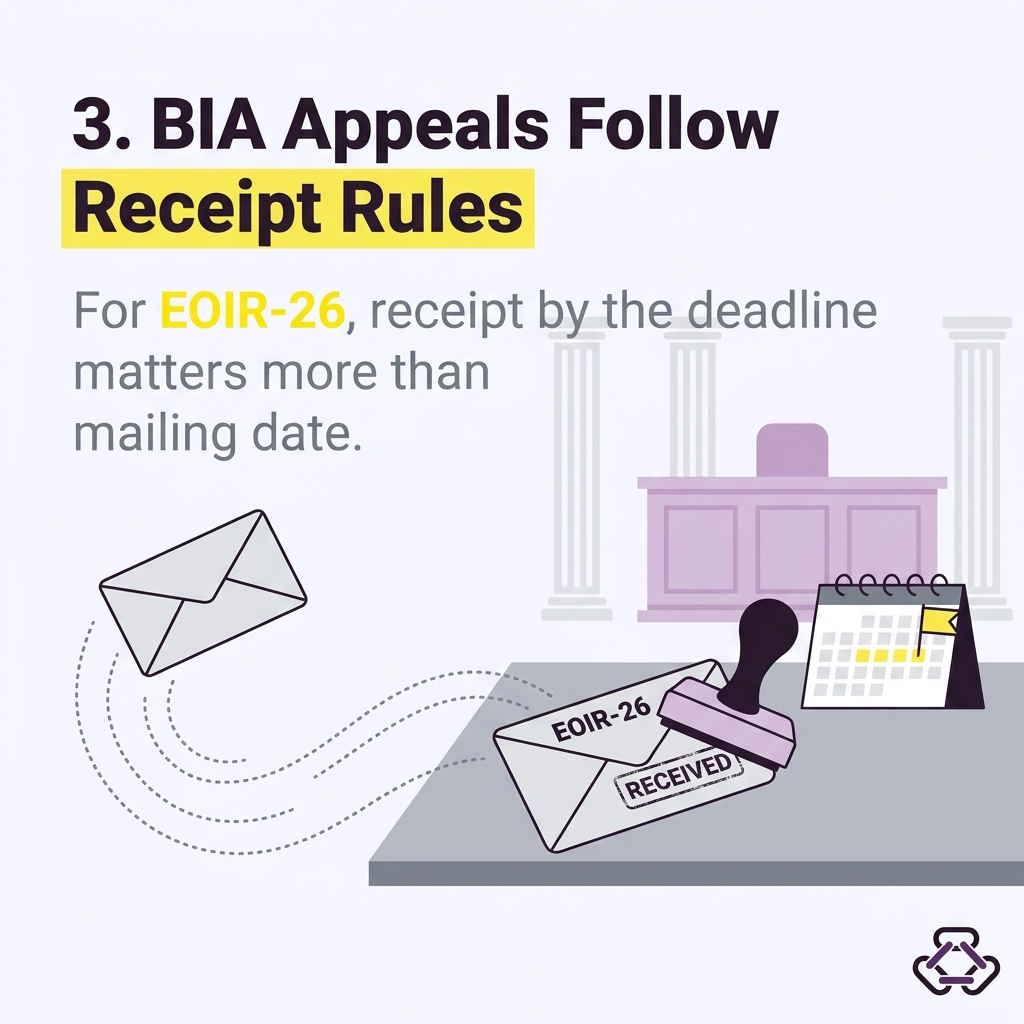
- A decision by an immigration judge is often appealed to the Board of Immigration Appeals (BIA) using Form EOIR-26. The BIA states that the notice of appeal must be received no later than 30 calendar days after the immigration judge gives an oral decision or mails a written one, and the BIA does not use a mailbox rule. That means mailing by the deadline is not the same as the Board receiving it by the deadline. See the EOIR appeal guidance and the BIA Practice Manual on appeal deadlines.
- Some denials issued by USCIS may be appealed to the Administrative Appeals Office (AAO) or challenged by a motion using Form I-290B. USCIS explains that many appeals and motions on Form I-290B are due within 30 days, or 33 days if the decision was mailed. See the USCIS policy manual and the Form I-290B page.
- A denied naturalization application often follows a different path entirely. USCIS says a person may request a hearing with Form N-336 within 30 calendar days of receiving the denial, or 33 calendar days if USCIS mailed the decision. See the Form N-336 page and the USCIS naturalization hearing policy guidance.
This first step matters because people sometimes spend valuable time preparing the wrong filing. In general terms, the deadline clock often starts running before a person feels ready.
2. Calendar The Real Deadline, Not The Deadline You Hope Applies
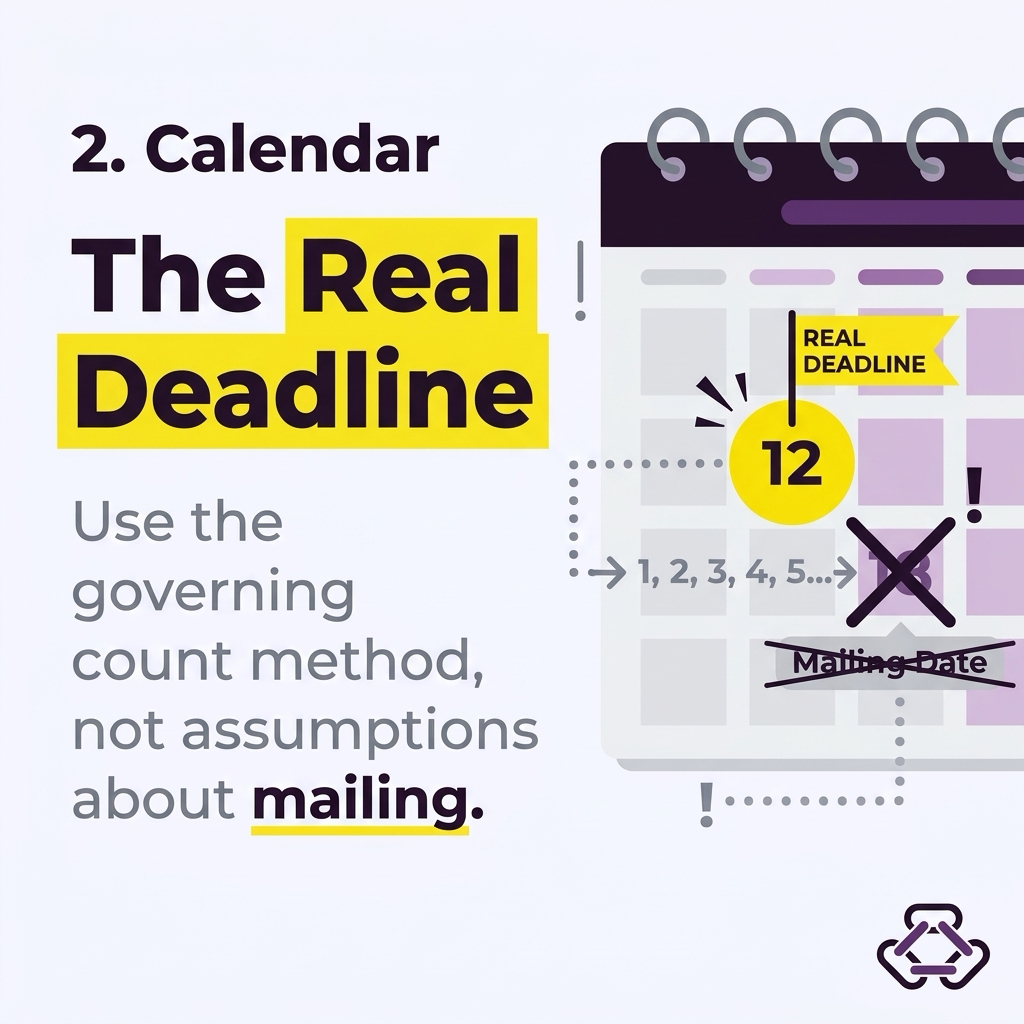
One of the most common problems in immigration appeals is using the wrong date, the wrong counting method, or the wrong assumption about delivery.
For BIA Appeals From Immigration Judge Decisions
According to EOIR, a Notice of Appeal (Form EOIR-26) is due 30 calendar days after the immigration judge renders an oral decision or mails a written decision. The BIA calculates deadlines based on receipt, not mailing, and it does not extend the appeal period simply because a package was sent on time. See the BIA deadline rule.
That single detail changes how people prepare. If a deadline falls on a Monday, dropping papers in the mail on Monday often does not preserve the appeal.
For USCIS Appeals And Motions
USCIS generally states that Form I-290B appeals and motions are due within 30 days, or 33 days if the decision was mailed. USCIS also notes that if the filing is mailed, enough time is required for it to arrive by the deadline. See USCIS questions and answers on appeals and motions.
For Motions To Reopen Or Reconsider At The BIA
If a case is already at the Board stage, the timing changes again. EOIR explains that, as a general rule, a motion to reconsider is due within 30 days of a final administrative order, while a motion to reopen is due within 90 days, subject to exceptions in some situations. See the EOIR appendix of deadlines and the BIA motion to reopen guidance.
A practical way to think about this is to create three dates immediately:
- The decision date
- The filing deadline
- An earlier personal cutoff date for completing the packet
Some people also add delivery checkpoints, fee confirmation, and backup mailing or e-filing plans.
3. Get The Record Together Before Writing The Argument
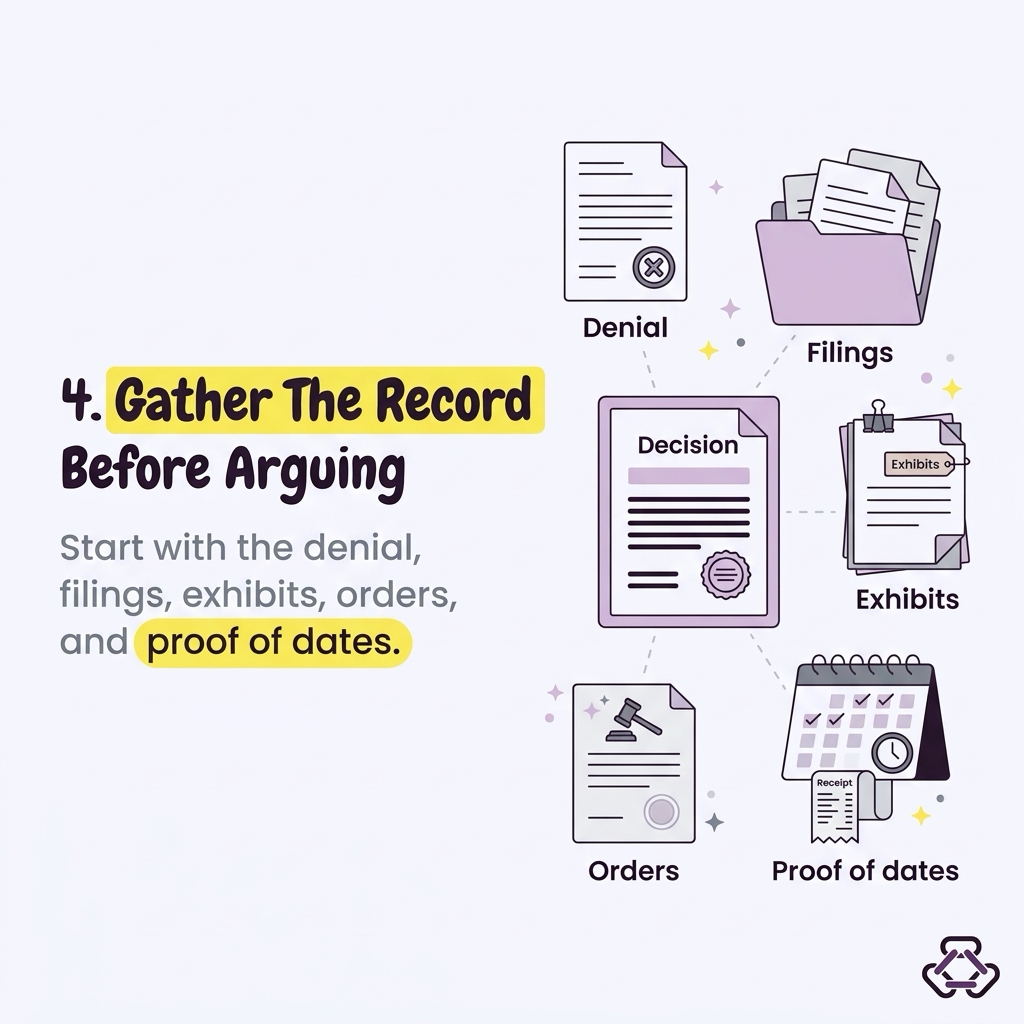
A persuasive appeal usually starts with the decision itself, the hearing or filing history, and the record that was before the agency or judge. That helps frame whether the issue is a legal error, a factual issue, or something better addressed through a motion to reopen rather than a straight appeal.
At minimum, many case files benefit from collecting:
- The full denial or dismissal notice
- The A-number and receipt numbers
- Prior filings and supporting exhibits
- Hearing notices and orders
- Proof of submission dates
- Mailing receipts or courier confirmation
- Any transcript or written decision available
- Prior attorney filings, if any
For BIA appeals, the notice of appeal is often filed first, and briefing may come later if the Board issues a briefing schedule. EOIR states that the appealing party is generally given 21 days from the date of the briefing notice to file the appeal brief. See the BIA briefing deadlines rule.
That timing often surprises people. The first deadline is usually the notice of appeal, but the next important deadline may arrive soon after in the form of a briefing schedule.
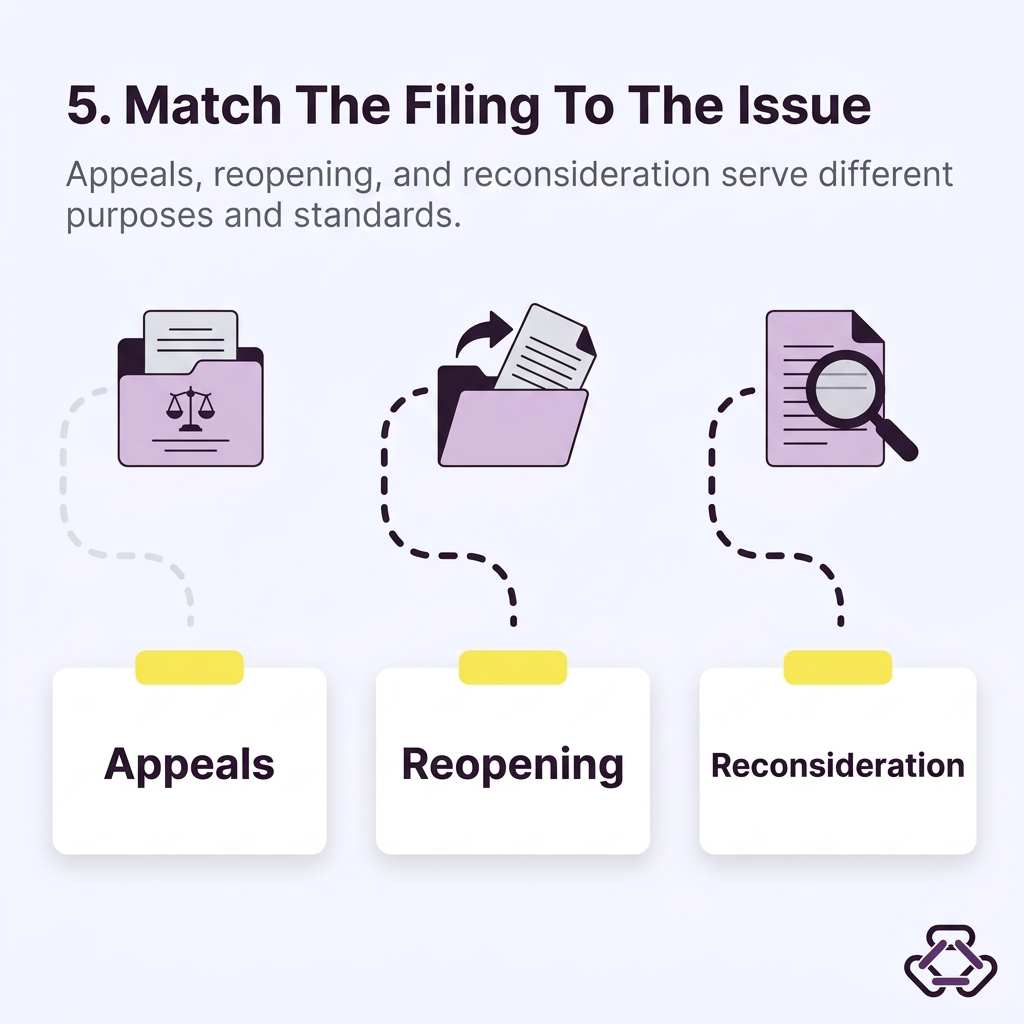
4. Match The Argument To The Correct Procedure
A lot of missed deadlines happen because a person is trying to use one vehicle for another job.
In broad terms:
- An appeal often argues that the decision-maker got the law or facts wrong based on the existing record.
- A motion to reconsider often focuses on a legal or policy error in the decision.
- A motion to reopen usually involves new facts or evidence that were not previously presented, along with an explanation that fits the governing rules.
USCIS describes a motion to reconsider as one that argues the decision involved an incorrect application of law or policy, while a motion to reopen generally presents new facts supported by documentary evidence. See the AAO Practice Manual chapter on motions.
EOIR likewise separates BIA appeals from post-decision motions, each with different deadlines and standards. See the EOIR deadlines appendix.
When people misclassify the filing, they can lose time pursuing a process that does not match the issue. That is one reason many families look for legal help early in the timeline rather than later, when fewer options remain.
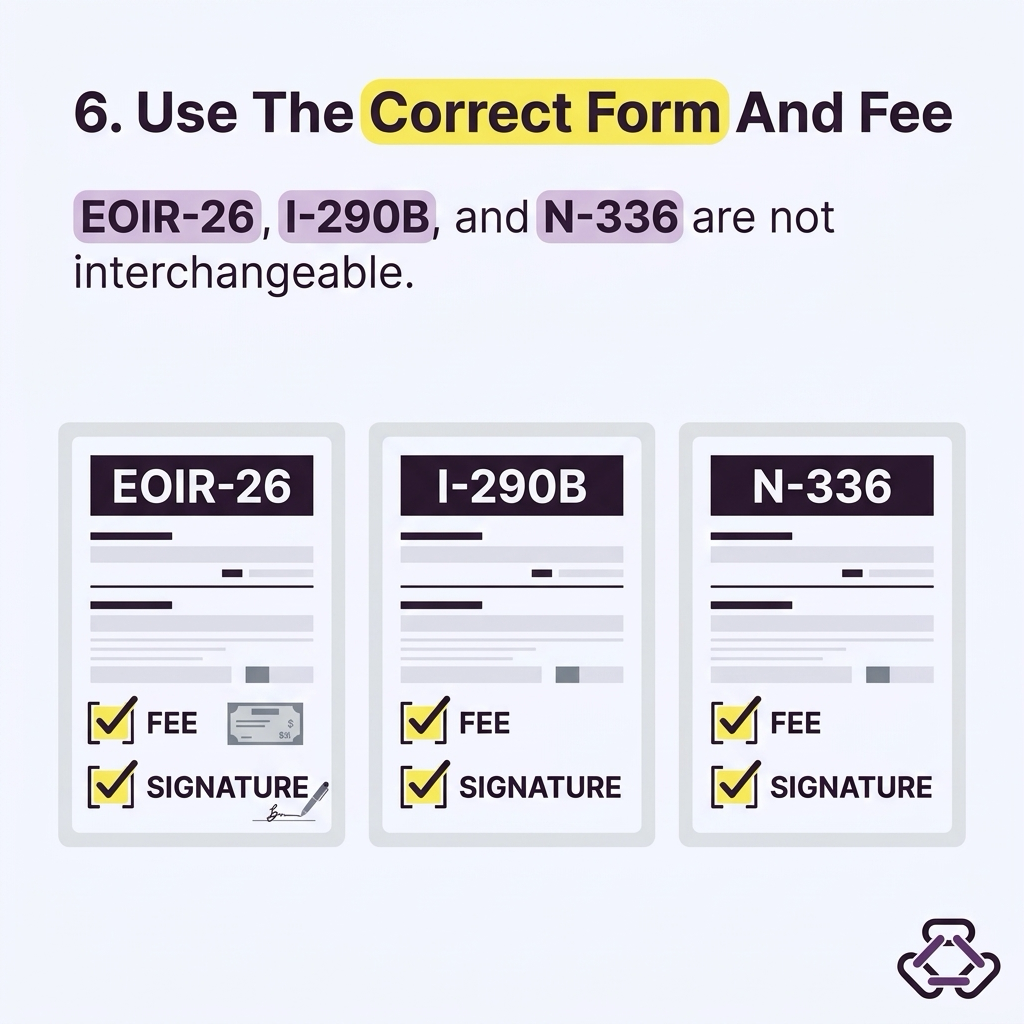
5. Use The Correct Form, Filing Method, And Fee Rules
Immigration appeals are very form-driven. A strong legal point can still run into problems if the packet uses the wrong form, wrong filing location, missing signature, or incorrect fee handling.
BIA Appeals
EOIR states that a BIA appeal from an immigration judge decision is filed on Form EOIR-26. The appeal generally must include the required filing fee or a completed Form EOIR-26A fee waiver request, if applicable. See the BIA filing rules.
EOIR also explains that electronic filing through ECAS is part of practice before EOIR, and filing rules differ depending on whether a case is eligible for electronic filing and whether the filer is represented. Attorneys and fully accredited representatives file electronically in eligible cases. See the EOIR ECAS information page.
USCIS Appeals And Motions
USCIS uses Form I-290B for many appeals and motions. USCIS also notes that filing location and fee handling can vary by case type, and some categories have special filing instructions. See the Form I-290B page and eligibility guidance for I-290B.
Naturalization Hearings
For a denied naturalization application, USCIS uses Form N-336, not Form I-290B for the hearing request itself. See the Form N-336 page.
Because filing systems and fee rules change over time, many attorneys cross-check the current agency form page immediately before filing. That can help reduce rejection risk tied to outdated editions, incorrect addresses, or fee issues.
6. Build A Timeline That Includes More Than The Final Due Date
An immigration appeal rarely turns on one date alone. The safer approach is often a timeline with several smaller checkpoints.
A working appeal calendar might include:
- Date decision was issued
- Date decision was received
- Final deadline for notice of appeal or motion
- Internal draft deadline
- Date to gather transcript, exhibits, and prior filings
- Date to confirm payment or fee waiver materials
- Delivery confirmation deadline
- Date to prepare the brief, if briefing follows
For BIA cases, EOIR’s published deadlines show that after the appeal is filed, the appealing party may later face a 21-day brief deadline, then the opposing party may have another 21 days for a response brief. See the EOIR deadlines appendix.
That is one reason a rushed notice of appeal can create later problems. If the initial filing is vague and the case record is not organized, the briefing stage can become harder than expected.
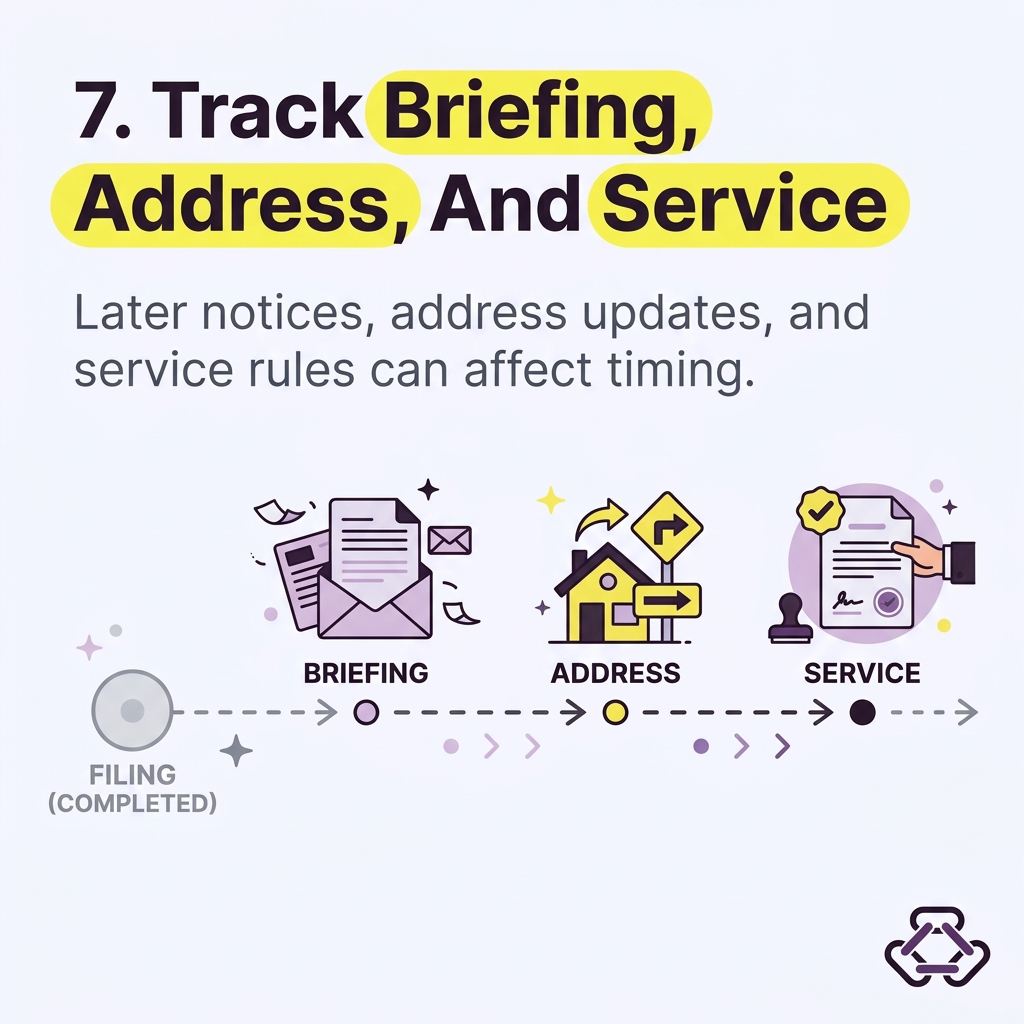
7. Do Not Overlook Address And Service Requirements
An appeal can also run into trouble when notices go to the wrong address or service is incomplete.
EOIR states that respondents in immigration court proceedings are expected to update contact information promptly, and a change of address form often has to be filed within five working days of the change. For immigration court matters that is commonly done with Form EOIR-33/IC, and for cases before the Board there is EOIR-33/BIA. See the EOIR respondent address form page and the EOIR forms page.
EOIR also explains that even in electronically filed matters, parties still deal with service requirements, including certificates of service and separate service outside ECAS in some circumstances. See the BIA service guidance.
In practical terms, a person can lose valuable time if the Board or court sends a briefing notice to an old address, or if opposing service was not handled correctly.
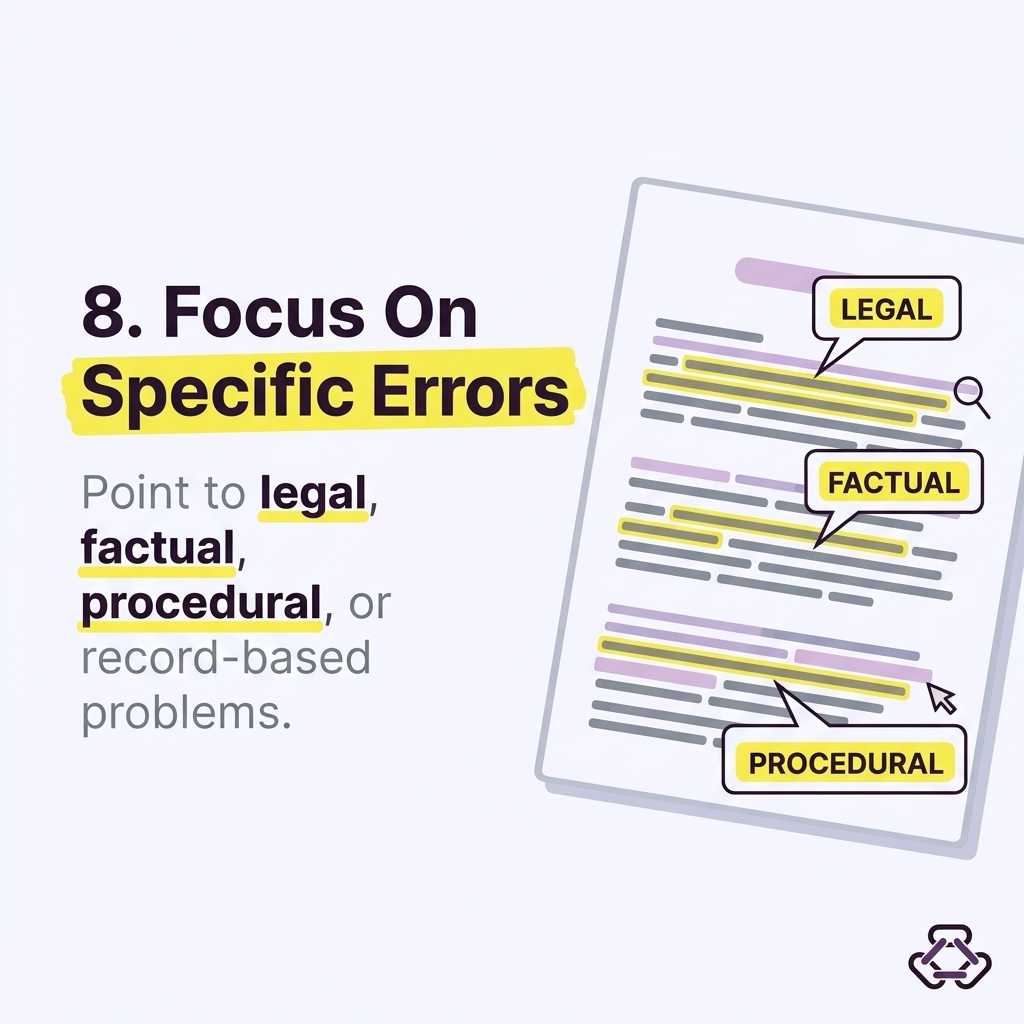
8. Write The Appeal Around Specific Errors, Not Just Frustration
A lot of denials feel unfair. But an effective appeal usually does more than say the result was wrong. It often identifies where the decision allegedly went off track.
That might include:
- A legal standard that was applied incorrectly
- A factual finding that overlooked key evidence already in the record
- A credibility determination challenged on specific grounds
- A procedural issue that affected the outcome
- A failure to consider controlling authority or required evidence
For BIA appeals, the notice itself matters because it preserves the issues being raised. For USCIS motions and appeals, the supporting statement and documentation often define whether the filing is viewed as an appeal, reopening request, reconsideration request, or some combination.
A focused argument can also make it easier to decide whether the better route is an appeal, a motion, or a fresh filing strategy. That issue comes up often enough that many people look for guidance comparing those options before they commit time to one path.
9. Plan For The Possibility That Filing Does Not Automatically Pause Removal Or Other Consequences
One of the most misunderstood parts of immigration appeals is the assumption that once something is filed, all consequences stop.
That is not always how it works.
USCIS explains that filing a motion to reopen or reconsider generally does not delay execution of the underlying decision unless USCIS directs otherwise. See the AAO Practice Manual chapter on motions.
EOIR materials also address discretionary stays in certain motion contexts, which signals that a separate request may be relevant in some cases rather than an automatic pause. See the EOIR discussion of discretionary stays.
This is one of the areas where timing and legal strategy often intersect very quickly. In removal-related cases especially, families sometimes look for representation based on documented experience with highly similar matters because the calendar and the consequences can move at the same time.
10. Work Backward From Risk, Not Just From Hope
The appeal process often becomes harder when preparation begins with optimism alone: “Maybe I still have time,” “Maybe mailing is enough,” or “Maybe the agency will understand what I meant.”
A lower-risk approach usually looks more like this:
- Confirm the decision type
- Confirm the exact governing form
- Confirm whether the deadline is based on receipt or mailing
- Confirm whether the case uses calendar days or another counting method
- Confirm filing location and current form edition
- Confirm fee, waiver, and signature requirements
- Confirm service rules
- Confirm whether a brief follows later
- Confirm whether a stay issue exists separately
That process may feel administrative, but immigration appeals are often won or lost first on preserving the right to be heard at all.
Common Deadline Mistakes People Make In Immigration Appeals
Some recurring problems appear across BIA, USCIS, and naturalization review matters:
Waiting To Read The Fine Print
The denial notice often contains the appeal or motion route, but people sometimes rely on general internet advice instead of the specific notice and current agency instructions.
Confusing Appeals With Motions
An appeal, motion to reopen, and motion to reconsider can involve different standards and deadlines. For BIA matters, EOIR publishes separate timing rules for each. See the EOIR deadlines appendix.
Assuming Mailing Preserves The Deadline
That assumption can be especially dangerous for BIA appeals, because EOIR states the Board does not apply the mailbox rule and calculates deadlines based on receipt. See the BIA Practice Manual.
Forgetting The Briefing Schedule
The notice of appeal is only the beginning in many BIA cases. EOIR’s briefing schedule rules can create another short deadline soon afterward. See the BIA briefing guidance.
Using The Wrong Form
A naturalization denial often leads to Form N-336, while many USCIS appeals and motions use Form I-290B, and immigration judge appeals typically use Form EOIR-26. See USCIS N-336, USCIS I-290B, and EOIR appeal guidance.
Missing Address Updates
If notices are sent to an old address, a person may learn about a briefing deadline too late. EOIR’s address update rules are stricter than many people expect. See the EOIR respondent address guidance.
A Short Summary
Preparing an immigration appeal without missing core deadlines usually starts with one key idea: the procedure matters almost as much as the argument. The right filing path depends on who issued the decision. The deadline may be 30 days, 33 days, or 90 days depending on the type of case. In BIA matters, receipt rules can be especially unforgiving, and later briefing deadlines can arrive quickly after the initial filing.
For many people, the hardest part is not just writing the appeal. It is identifying the correct route early enough to preserve it. That is often where guidance from counsel with demonstrable experience, relevant experience, and documented experience in highly-similar matters can make the process clearer.
Visit ReferU.AI to get matched with an attorney who has demonstrable experience in cases like yours — for free.
