Table of Contents
- How to Organize Travel, Tax, and Residency Records Before Filing N-400
- Why Record Organization Matters Before Filing N-400
- What Records Usually Matter Most
- 1. How To Organize Travel Records
- Start With The Five-Year Or Three-Year Statutory Period
- Build A Master Travel Timeline
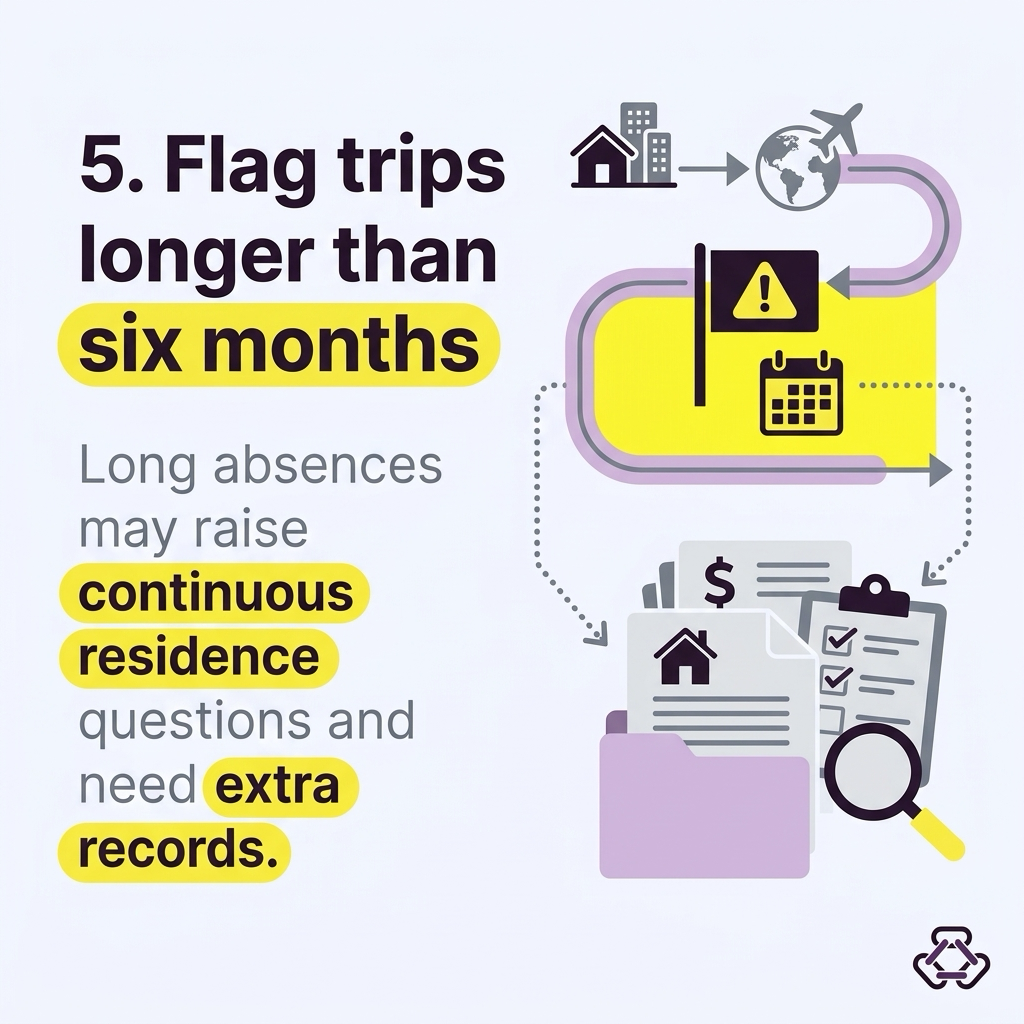
- Flag Any Trip Longer Than Six Months
- Double-Check Physical Presence Math
- 2. How To Organize Tax Records
- Gather Tax Returns And IRS Transcripts
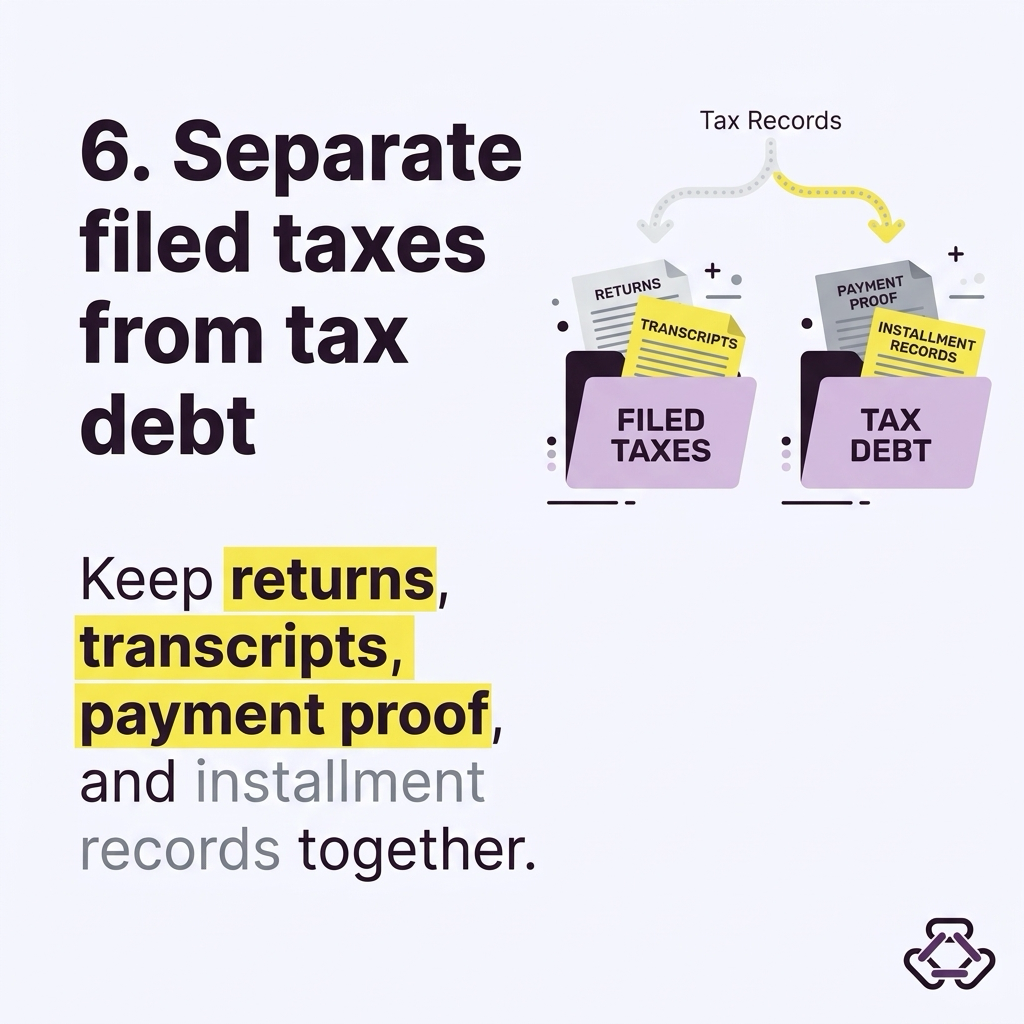
- Separate Filed Taxes From Tax Debt Issues
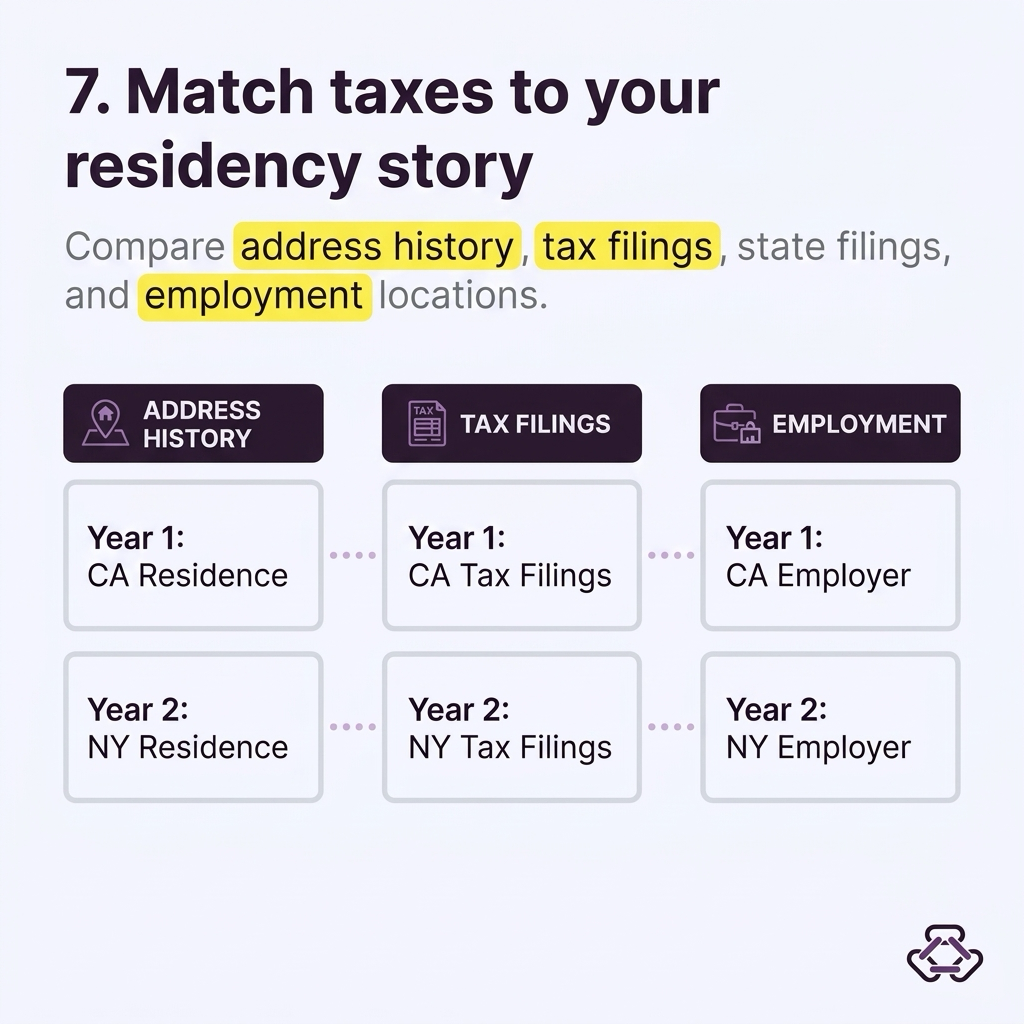
- Make Sure Your Filing History Matches Your Residency Story
- 3. How To Organize Residency Records
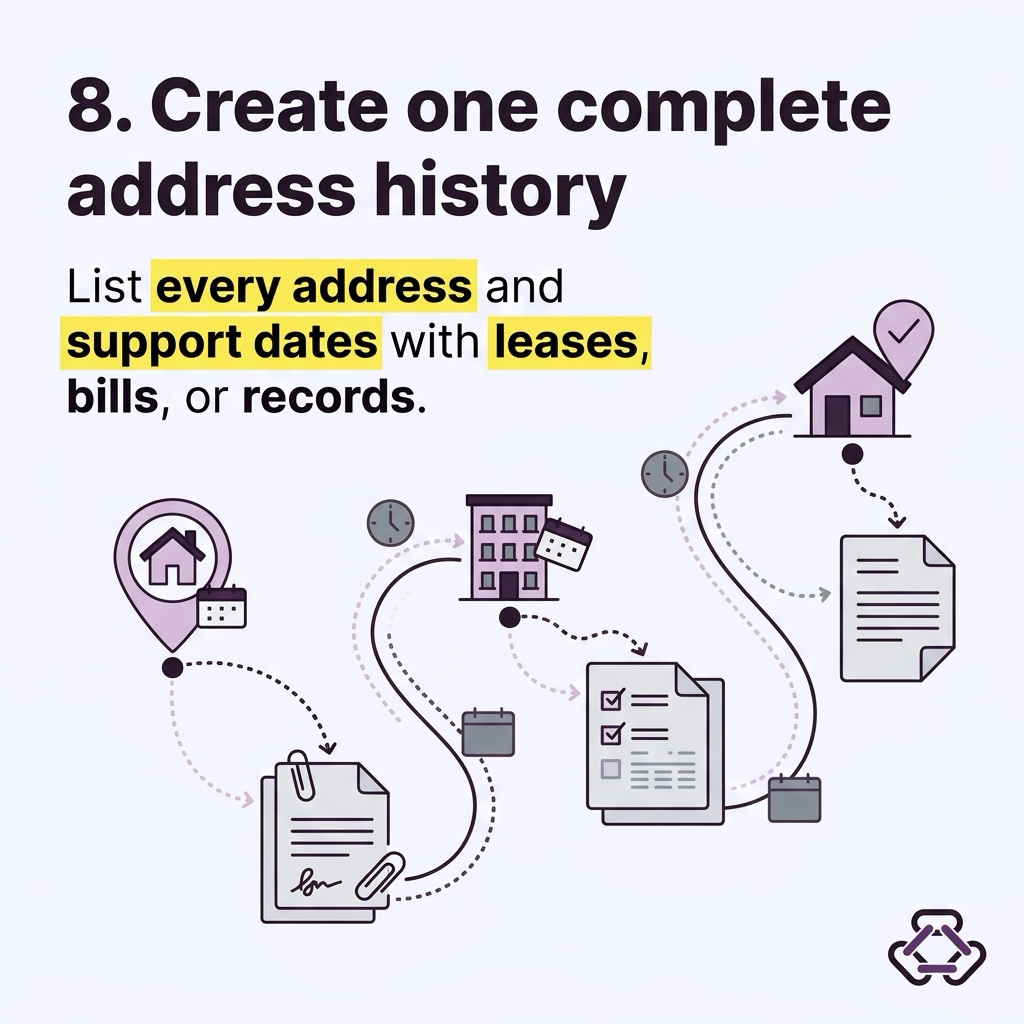
- Create One Complete Address History
- Confirm State Or USCIS District Residence
- 4. How To Build One N-400 Evidence Binder Or Digital Folder
- A Simple Folder Structure
- Keep A One-Page Issues Summary
- 5. Common Record Problems People Discover Before Filing
- Missing Travel Dates
- Old Tax Debt Or Unfiled Returns
- Address Gaps
- Long Travel For Work Or Family Reasons
- Last-Minute Interview Preparation
- 6. When An Attorney May Help Before Filing
- 7. A Practical Pre-Filing Checklist
- Final Thoughts

Type
Great Grandchild
Status
Approved
Title (YouTube)
Images Failed (Social)
Images Failed (Social)
Do not index
Publish Date (TikTok)
Apr 23, 2027 10:15
Videos Post IDs (Social)
Hashtags (Social)
#LegalAdvice #LegalHelp #Immigration #Naturalization
Caption
Caption X
Cover

OG Image

Alt Image Text
Flat vector illustration of organizing travel, tax, and residency records before filing N-400, with passport, folders, tax documents, and home symbols in a clean minimal layout.
Images


Videos
Publish Date (Social)
Feb 17, 2027 14:00
Scheduled (Social)
Scheduled (Social)
Images Posted (Social)
Images Posted (Social)
Videos Posted (Social)
Videos Posted (Social)
Featured
Created time
Apr 7, 2026 12:02 AM
Sub-item
Authors
CTA Practice Area (Social)
Immigration
TikTok Failed (Social)
TikTok Failed (Social)
Videos Post Links (Social)
TikTok Post Links (Social)
Images Post IDs (Social)
YT Post ID
Video Pending Manual (Social)
TikTok Posted (Social)
TikTok Posted (Social)
TikTok Post IDs (Social)
Video Cover (Social)
Images Post Links (Social)
First Comment (Social)
Videos Failed (Social)
Videos Failed (Social)
YT Embedded
Images Delete (Social)
Videos Delete (Social)
How to Organize Travel, Tax, and Residency Records Before Filing N-400
Filing Form N-400 can feel straightforward until you reach the parts about travel, addresses, taxes, and time spent in the United States. That is often where people realize they’re piecing together years of flights, moves, filings, and supporting documents from memory.
A more organized file can make the application itself easier to complete and can also make the interview less stressful. It may also help you spot issues early, such as long trips abroad, gaps in address history, or unpaid tax balances that may call for extra explanation or documentation. If you want a broader overview of the naturalization process from start to finish, this guide to how citizenship cases typically move from eligibility through the oath ceremony can help put the record-gathering step in context.
In this post you’ll learn how to organize travel, tax, and residency records before filing N-400, what documents people often gather, where to find official records, and when a citizenship attorney may help sort out possible complications.
Scroll to the bottom for every post in this series.
Why Record Organization Matters Before Filing N-400
USCIS uses Form N-400 to review several core naturalization requirements, including continuous residence, physical presence, and residence in the relevant state or USCIS district. USCIS also asks about tax issues and can request additional evidence related to residences, travel, and employment history during the naturalization process. USCIS’s N-400 page, the naturalization instructions, and the USCIS Policy Manual all reflect that these details can matter.
That doesn’t mean every missing boarding pass or old lease creates a problem. In general terms, it means your information often works best when it is consistent, complete, and easy to verify. If dates on your N-400 do not match your passport stamps, tax filings, or address history, USCIS may ask follow-up questions. If you had a trip of more than six months, USCIS may ask for evidence that you maintained continuous residence in the United States. USCIS explains that an absence of more than six months but less than one year can disrupt continuous residence unless the presumption is overcome, and an absence of one year or more generally breaks continuous residence unless a limited exception applies.
What Records Usually Matter Most
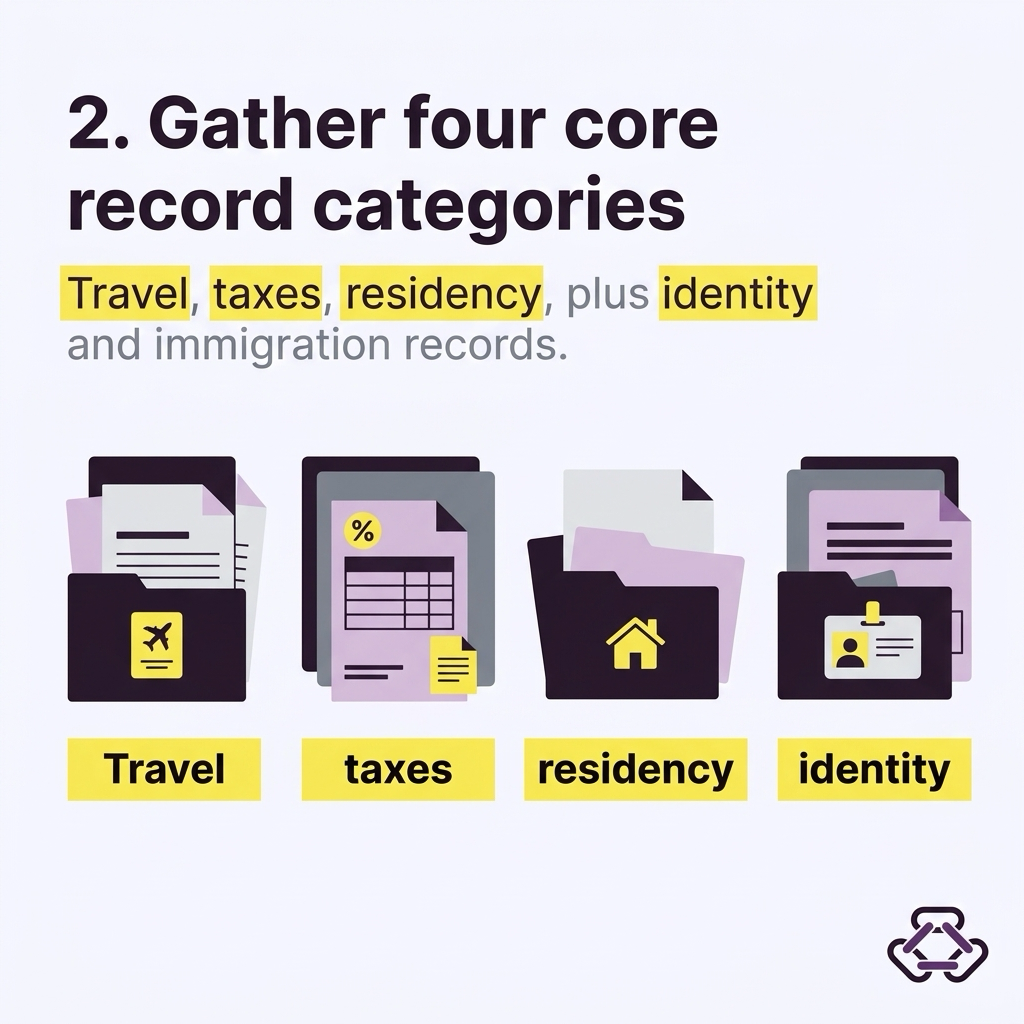
Before filing, many applicants create one working file with documents in three categories:
- Travel records
- Tax records
- Residency records
A fourth category can also help: identity and immigration records, such as your green card, passports, reentry permits if any, marriage certificate if applicable, and prior immigration notices.
For N-400 purposes, travel records often help with physical presence and continuous residence questions. Tax records can help show filing compliance and address any balance due. Residency records can help support address history, state residence, and ties to the United States.
1. How To Organize Travel Records
Start With The Five-Year Or Three-Year Statutory Period
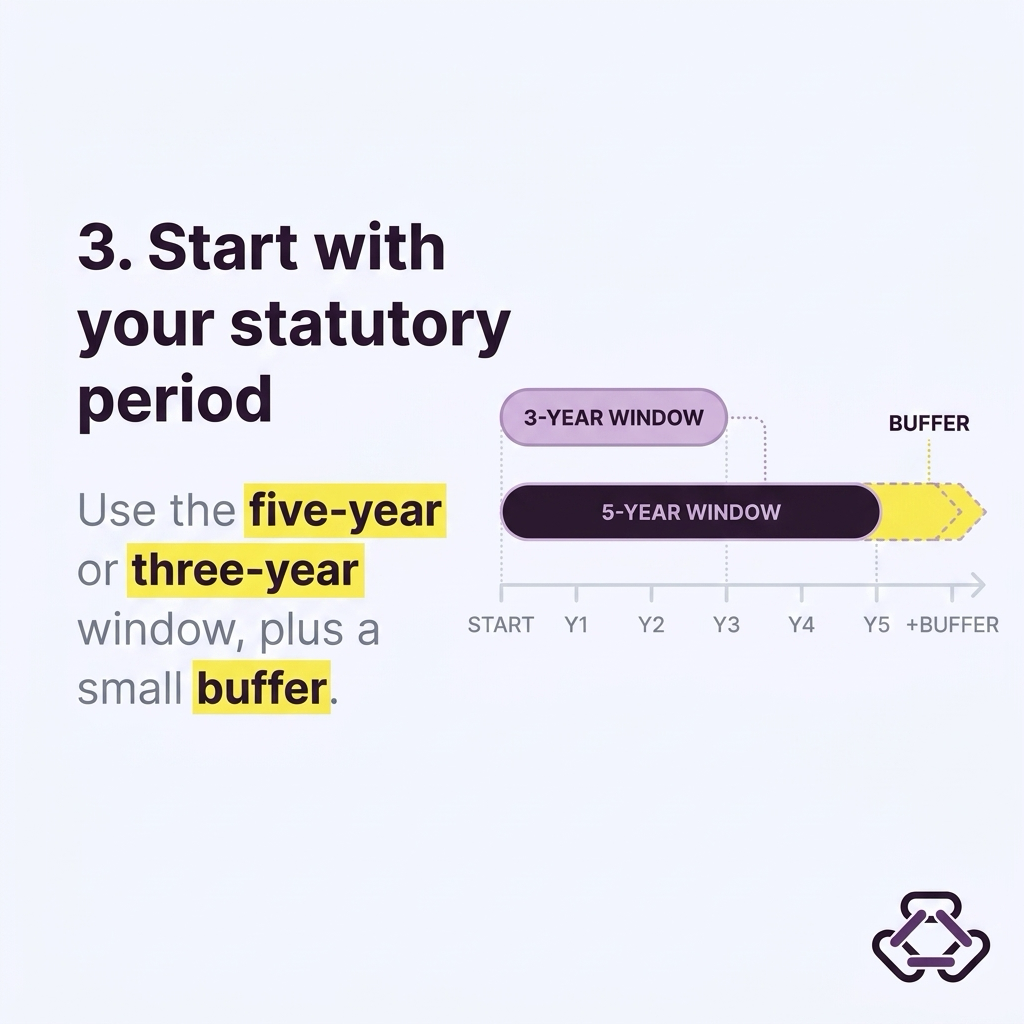
Most applicants file based on five years as a lawful permanent resident. Some file based on three years if married to and living with a U.S. citizen spouse. USCIS notes on its N-400 page that some applicants may file up to 90 calendar days before completing the continuous residence requirement.
When building your travel file, many people start with the full statutory period that applies to them and then add a small buffer before that date range in case an old trip overlaps the beginning of the period.
Build A Master Travel Timeline
A spreadsheet often works well. Common columns include:
- Departure date
- Return date
- Destination country
- Number of days outside the United States
- Reason for travel
- Source used to verify the dates
- Notes about long absences
Useful source documents may include:
- Current and expired passports
- Entry and exit stamps
- Airline confirmations
- Boarding passes
- Email itineraries
- Calendar records
- Employer travel records
- CBP arrival/departure history, if available
- Credit card statements showing travel dates
The goal is not perfection in formatting. The goal is a timeline that helps you answer the N-400 questions clearly and consistently.
Flag Any Trip Longer Than Six Months
This is one of the most important parts of the review. USCIS states that a trip of more than six months but less than one year during the statutory period may create a presumption that continuous residence was interrupted, and a trip of one year or more generally breaks continuous residence unless there is an approved preservation exception such as Form N-470 in limited situations. USCIS also has a page explaining continuous residence and physical presence requirements.
If you had extended travel, your travel file may be easier to understand if you add a separate section with evidence of U.S. ties during the absence, such as:
- U.S. lease or mortgage records
- Utility bills
- U.S. job records
- Pay stubs
- Proof immediate family remained in the United States
- Tax returns filed as a U.S. resident
- Bank activity in the United States
USCIS’s fact sheet for high-travel individuals also discusses residence considerations, including where a person lives and files taxes.
Double-Check Physical Presence Math
Continuous residence and physical presence are related, but they are not the same thing. USCIS explains that physical presence is the actual amount of time spent inside the United States during the statutory period, while continuous residence focuses more on whether residence in the United States was maintained. USCIS’s naturalization materials, including the Welcome to the United States guide, describe that distinction.
Many applicants calculate the total days outside the United States and then compare that against the physical presence requirement that applies to their filing category. A spreadsheet or calendar count can help. If your numbers are close to the threshold, an attorney may help verify the calculation before filing.
2. How To Organize Tax Records
Gather Tax Returns And IRS Transcripts
Taxes often deserve their own folder because USCIS specifically asks about overdue federal, state, and local taxes on Form N-400, and the N-400 instructions note that failure to pay taxes as required can affect the good moral character analysis. The N-400 instructions also list IRS tax transcripts for the past five years, or three years for certain marriage-based applicants, among the documents that may be relevant in some cases.
The IRS provides several official ways to obtain transcripts. On the IRS transcript page, the agency explains that taxpayers can access records through an online account or request transcripts by mail. The IRS also explains different transcript types, including tax return transcripts, tax account transcripts, and record of account transcripts, on its transcript overview page and Get Transcript page.
For many N-400 applicants, it can be helpful to gather:
- Signed or filed copies of federal tax returns
- IRS tax return transcripts
- IRS tax account transcripts if there is a payment issue or amendment
- State tax returns, if your state has income tax
- Proof of payment for any balance due
- Any IRS installment agreement documents
- Proof of ongoing payments if a payment plan exists
Separate Filed Taxes From Tax Debt Issues
If all returns were filed and all balances were paid, your tax folder may be simple.
If there was an unpaid balance, many people create a subfolder labeled something like Taxes Owed / Resolved / Payment Plan. USCIS states on its N-400 page that if taxes are owed, applicants can provide a signed agreement from the IRS or state or local tax office showing the tax return was filed and payment arrangements were made. That is a very specific clue about the kind of documentation USCIS may look for.
A practical file in that situation may include:
- Tax return showing the amount due
- IRS notice or state tax notice
- Installment agreement approval
- Payment confirmation receipts
- Recent account transcript showing activity
- Brief written timeline of what happened and when
That kind of organization may help if the officer asks follow-up questions at the interview.
Make Sure Your Filing History Matches Your Residency Story
For naturalization cases, taxes can overlap with residence questions. USCIS’s materials for high-travel applicants note that residence may be considered in part based on where federal income tax returns were filed. If your travel history includes long periods abroad, or if you moved between states, it may help to compare:
- Your address history on N-400
- Your tax return mailing address
- Your state filing history
- Your employment location
- Your actual time in the United States
If those records do not line up cleanly, that does not automatically end the case. It often means the file may benefit from a careful explanation before submission.
3. How To Organize Residency Records
Create One Complete Address History
N-400 asks for address history, and USCIS may request evidence related to residences and other background details. A residency file often starts with a chronological address list that includes:
- Full address
- Move-in date
- Move-out date
- Name of landlord or property owner if known
- Notes on who lived there with you
Then attach supporting records where available, such as:
- Leases
- Mortgage statements
- Utility bills
- Renter’s insurance
- Driver’s license records
- Bank statements
- Employer records
- School records
- USPS address changes
This part often helps with consistency. Many applicants discover date gaps when they compare the N-400 draft against old leases, W-2s, or DMV records.
Confirm State Or USCIS District Residence
USCIS explains in its naturalization guidance that most applicants must live for a required period in the state or USCIS district where they apply. That issue can become more complicated for people who split time between more than one home, moved recently, or travel constantly for work. USCIS’s naturalization guide and high-travel fact sheet both touch on residence concepts.
If you have multiple residences, your folder may be easier to review if you group evidence by location and time period. For example:
- Primary home documents
- Work assignment records
- State ID or driver’s license history
- Tax filings by state
- Utility usage
- Family residence documents
That can be especially useful if the question is not “Did you ever move?” but “Where were you actually residing for filing purposes?”
4. How To Build One N-400 Evidence Binder Or Digital Folder
Once you gather the records, the next challenge is making them easy to use.
A Simple Folder Structure
Many people use a structure like this:
- 01 Identity And Immigration
- 02 Travel History
- 03 Tax Records
- 04 Address And Residency
- 05 Marriage And Family Records if relevant
- 06 Explanations And Notes
- 07 Draft N-400 And Final Copy
Inside each folder, documents can be named with dates first, such as:
- 2023-04-15 IRS Tax Return Transcript
- 2024-01-10 Lease Renewal
- 2022-08-02 Passport Entry Stamp France
- 2021-09-30 Utility Bill
That naming system often makes it easier to sort and retrieve records later.
Keep A One-Page Issues Summary
A short summary sheet can be surprisingly helpful. It might list:
- Any trip over 180 days
- Any unpaid or previously unpaid tax balance
- Any recent move
- Any missing records
- Any item likely to come up at the interview
This is also the point where some applicants decide to speak with an immigration attorney. If your file includes long absences, inconsistent tax filings, a recent move across states, or any issue that could affect continuous residence or good moral character, a lawyer may help determine how USCIS is likely to view the record.
5. Common Record Problems People Discover Before Filing
Missing Travel Dates
People often remember countries visited but not exact departure and return dates. In that situation, it may help to compare passports, old emails, digital calendars, airline accounts, and bank transactions.
Old Tax Debt Or Unfiled Returns
This is one of the most common issues that can delay confidence in filing. USCIS explicitly references tax compliance in the N-400 materials and may look for proof that returns were filed and payment arrangements were made. The IRS transcript system can help reconstruct what was filed and what remains on the account through official transcript access.
Address Gaps
Even a short undocumented move can create uncertainty when the N-400 asks for a continuous address history. Utility start dates, employment records, and DMV updates can sometimes help fill in those blanks.
Long Travel For Work Or Family Reasons
A long trip does not always end the possibility of naturalization, but it often creates a more document-heavy case. If you are sorting through one of those situations, it may also help to read about citizenship issues that often slow applications down and compare your facts with the broader naturalization timeline.
Last-Minute Interview Preparation
Well-organized records can also make interview prep easier. Once the N-400 is filed, many applicants revisit the same travel, tax, and address records before meeting with USCIS. It can help to think of this file not just as a filing packet, but as the foundation for the interview. If you want to go deeper on that stage, it may help to review a separate article on getting ready for the citizenship interview and civics test.
6. When An Attorney May Help Before Filing
Some N-400 filings are routine. Others involve facts that are more nuanced than they first appear.
An attorney may help evaluate issues such as:
- One or more trips abroad longer than six months
- A trip abroad of one year or more
- Complicated state residence questions
- Taxes owed now or in the recent past
- Missing filing years
- Conflicting address histories
- Prior immigration complications
- Criminal history or other good moral character concerns
USCIS’s Policy Manual chapter on continuous residence and N-400 instructions show why these facts can matter. In many cases, the legal question is not simply whether a person traveled or owed taxes, but how the overall record is documented and explained.
7. A Practical Pre-Filing Checklist
Before submitting N-400, many applicants find it useful to confirm the following:
- Travel dates are listed in one timeline
- Every trip during the statutory period is accounted for
- Long absences are flagged and supported with extra records
- Federal tax returns are filed for the relevant years
- IRS transcripts are downloaded or ordered
- Any tax balance has supporting payment or agreement records
- Address history is complete and consistent
- State residence is supported by documents
- Copies of passports and immigration documents are organized
- A clean digital folder or binder is ready for the interview stage
If that checklist feels more complicated than expected, that reaction is common. Naturalization often looks simple on the surface, but recordkeeping issues can quietly shape the case.
Final Thoughts
Organizing travel, tax, and residency records before filing N-400 is really about creating a clear story of your time as a lawful permanent resident. USCIS looks closely at continuous residence, physical presence, tax compliance, and local residence, and your documents often provide the framework for those answers.
For some people, this is mostly an administrative project. For others, the process uncovers longer trips abroad, tax payment issues, or residency questions that may benefit from legal analysis before the application goes in. Either way, a well-structured file can make the process easier to understand and easier to discuss.
Visit ReferU.AI to get matched with an attorney who has demonstrable experience in cases like yours — for free.
