Table of Contents
- 7 Wrongful Death Mistakes Families Make Early in a Case
- Why Early Decisions Matter So Much
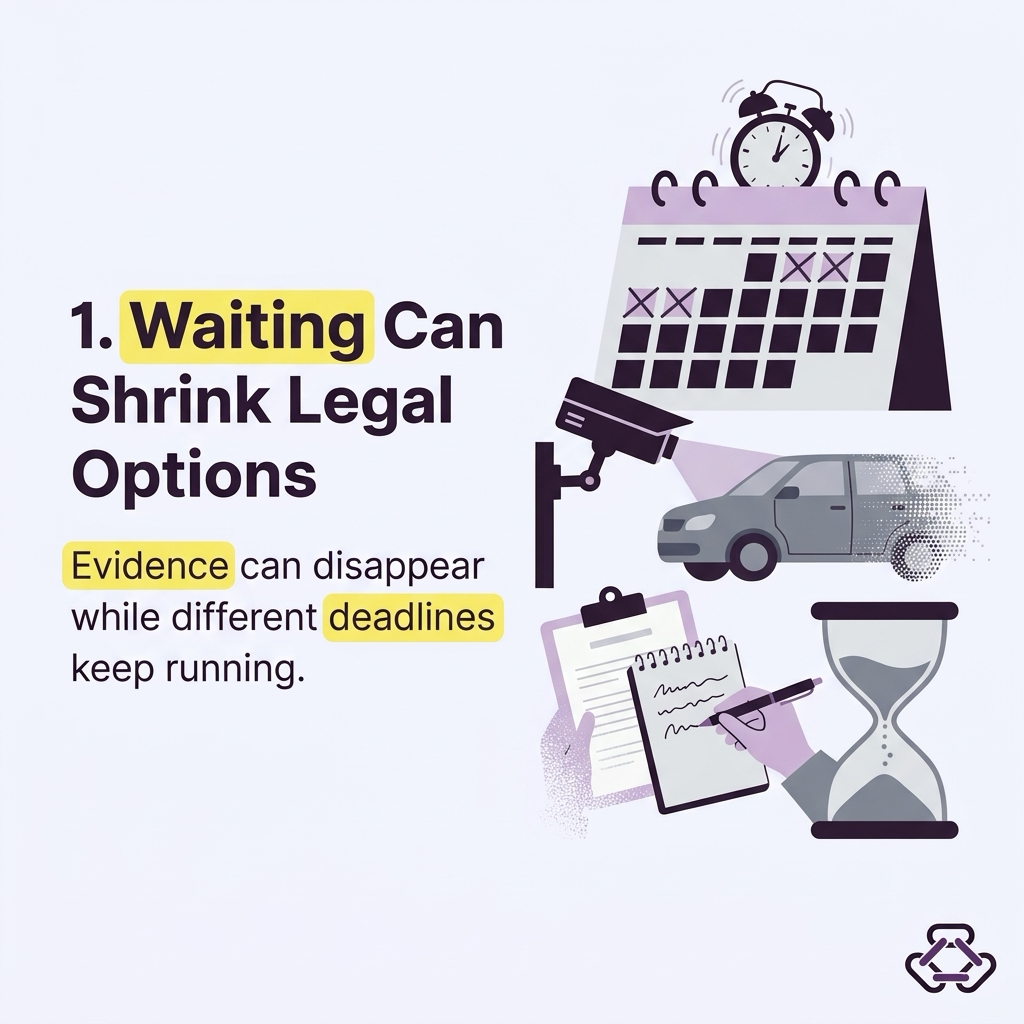
- 1. Waiting Too Long To Talk With A Wrongful Death Attorney
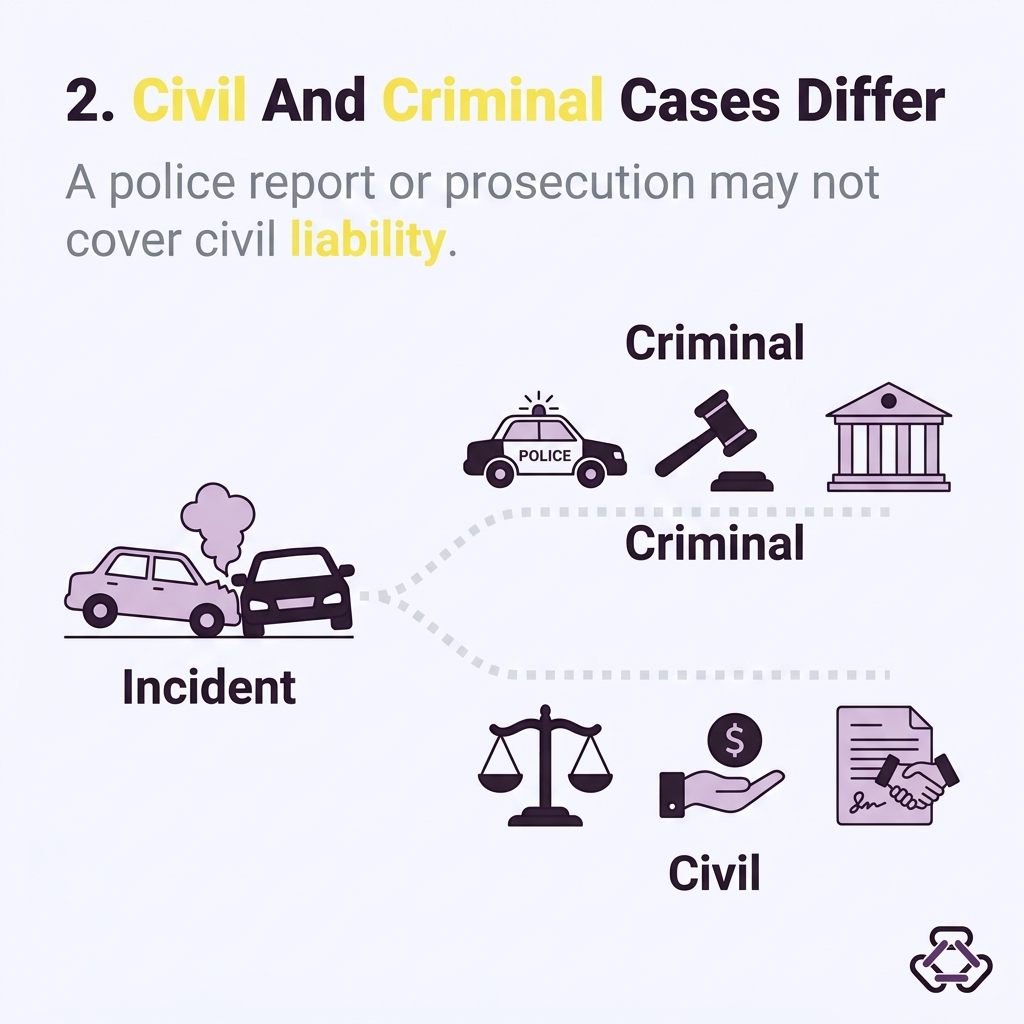
- 2. Assuming The Police Report Or Criminal Case Will Handle Everything
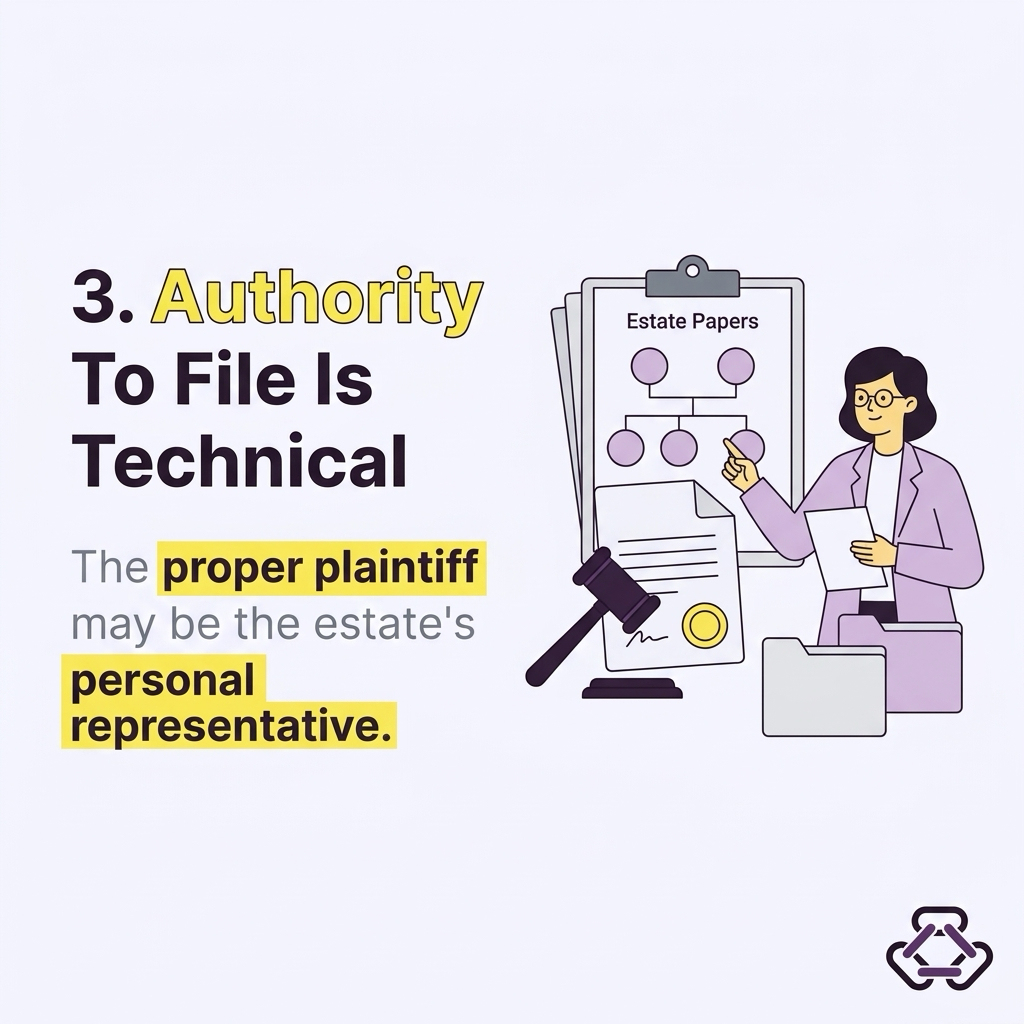
- 3. Failing To Open The Estate Or Identify The Right Person To Bring The Claim
- 4. Talking To Insurance Adjusters Before Understanding The Full Case
- 5. Not Preserving Evidence, Phones, Photos, And Social Media
- 6. Posting Too Much Online Or Letting Others Tell The Story First
- 7. Hiring A Lawyer Based On Advertising Instead Of Documented Case Fit
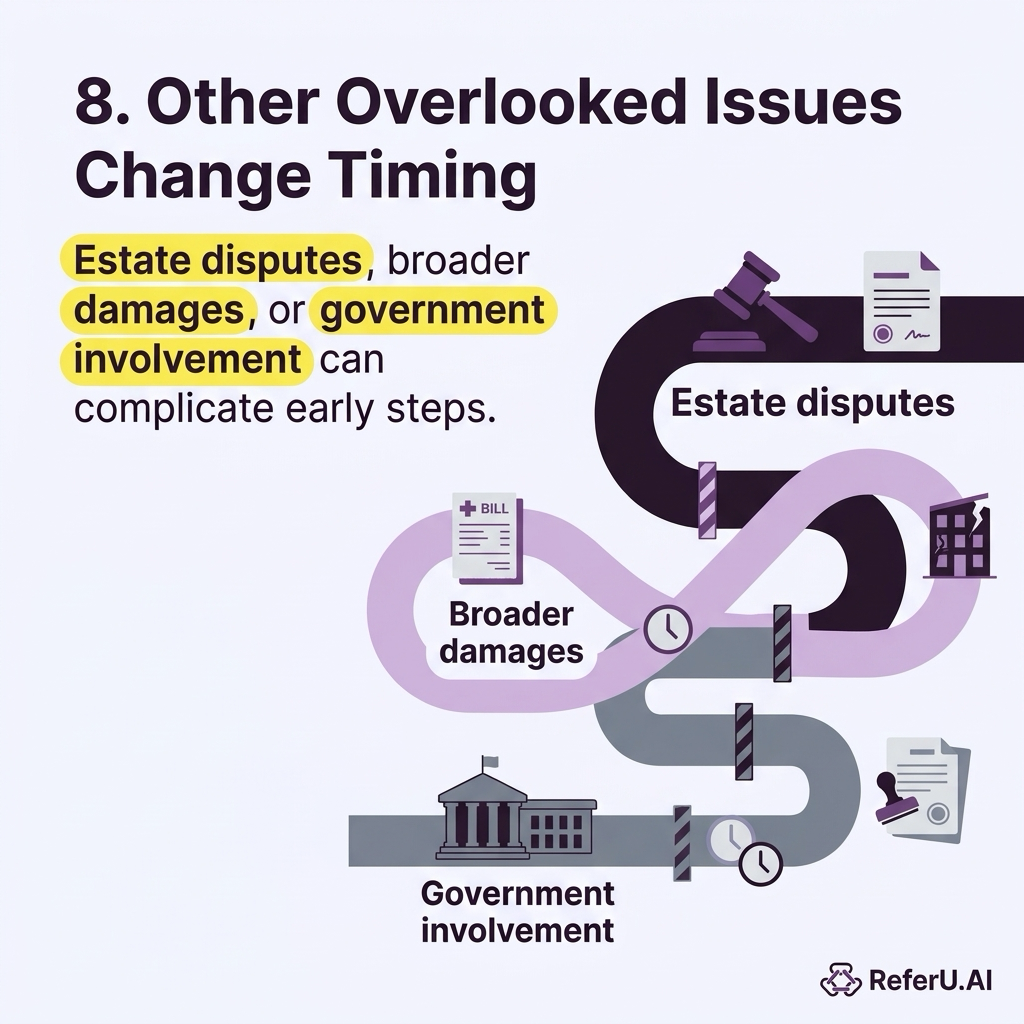
- A Few Other Early Issues Families Often Overlook
- Family Members Sometimes Assume Everyone Has The Same Legal Interests
- The Case Value Is Not Always Measured By Immediate Bills
- Government Involvement Can Change The Timeline
- What Families Often Gain By Avoiding These Mistakes
- Final Thoughts

Type
Great Grandchild
Status
Approved
Title (YouTube)
Images Failed (Social)
Images Failed (Social)
Do not index
Parent item
Publish Date (TikTok)
Apr 8, 2027 14:15
Videos Post IDs (Social)
Hashtags (Social)
#LegalAdvice #LegalHelp #PersonalInjury #WrongfulDeath
Caption
Caption X
Cover

OG Image

Alt Image Text
Flat vector illustration of wrongful death mistakes families make early in a case, showing a grieving family with legal documents, deadlines, evidence, and early case decision pathways.
Images

Videos
Publish Date (Social)
Feb 9, 2027 07:00
Scheduled (Social)
Scheduled (Social)
Images Posted (Social)
Images Posted (Social)
Videos Posted (Social)
Videos Posted (Social)
Featured
Created time
Apr 7, 2026 01:39 PM
Sub-item
Authors
CTA Practice Area (Social)
Personal Injury
TikTok Failed (Social)
TikTok Failed (Social)
Videos Post Links (Social)
TikTok Post Links (Social)
Images Post IDs (Social)
YT Post ID
Video Pending Manual (Social)
TikTok Posted (Social)
TikTok Posted (Social)
TikTok Post IDs (Social)
Video Cover (Social)
Images Post Links (Social)
First Comment (Social)
Videos Failed (Social)
Videos Failed (Social)
YT Embedded
Images Delete (Social)
Videos Delete (Social)
Carousel Video URL (Social)
7 Wrongful Death Mistakes Families Make Early in a Case
Losing a family member because of someone else’s negligence or misconduct can turn everyday decisions into painful legal ones. In the first days and weeks after a fatal crash, medical event, workplace incident, or unsafe-property accident, families are often dealing with grief, funeral planning, insurance calls, and unanswered questions all at once.
That early period matters more than many people realize. Wrongful death claims are shaped by deadlines, evidence preservation, estate procedures, and the exact way a case is framed from the beginning. A few common missteps can make the process harder, more expensive, or more limited later.
In this post you’ll learn seven wrongful death mistakes families often make early in a case, why those mistakes happen, and what families may want to consider as they try to protect their options. If you want a broader overview of how these claims work, this guide on what families often encounter in a fatal-accident case can help with the bigger picture.
Scroll to the bottom for every post in this series.
Why Early Decisions Matter So Much
Wrongful death law is state-specific, and the details can vary in major ways. In general terms, a wrongful death claim is a civil action alleging that a person or entity caused a death through a wrongful act, neglect, or default. It is separate from any criminal case, and civil liability can exist even if no criminal conviction occurs because the standards and burdens of proof are different. Cornell Law School’s Legal Information Institute
The stakes are significant. Fatal incidents arise from many settings, but transportation-related deaths alone remain a major public safety issue. The National Highway Traffic Safety Administration reported 39,254 traffic deaths in 2024 and estimated 36,640 traffic deaths in 2025, showing some improvement but still reflecting a large number of fatal events that can trigger civil claims. NHTSA 2024 annual and 2025 early estimates The CDC also reports that unintentional injuries remain one of the leading causes of death in the United States, which helps explain why wrongful death litigation continues to affect so many families. CDC NCHS press release
With that context in mind, here are seven mistakes that often show up early.
1. Waiting Too Long To Talk With A Wrongful Death Attorney
Many families understandably put legal questions aside at first. Some assume there is plenty of time. Others hope the insurer will “do the right thing,” or they want to wait until the criminal investigation is finished.
That delay can create problems.
Wrongful death cases often involve short deadlines, disappearing evidence, and multiple legal tracks happening at once. Surveillance footage may be overwritten. Vehicles may be repaired or destroyed. Witness memories can fade. In some matters, notice requirements against a government entity can arrive far earlier than the general lawsuit deadline. State statutes of limitation also vary, and some states treat related claims differently depending on whether the case involves medical negligence, a public agency, or product liability. Cornell LII overview
This issue is especially important because families are often focused on grief, not litigation logistics. An attorney can sometimes begin preservation efforts, identify the proper defendants, and sort out whether there are wrongful death claims, survival claims, estate claims, or all three.
In practical terms, early legal review often helps families understand what evidence exists, which deadlines may apply, and whether there are additional parties involved beyond the obvious one. In trucking, premises liability, and medical cases, for example, the potentially responsible parties are not always immediately clear.
2. Assuming The Police Report Or Criminal Case Will Handle Everything
Families often believe that if law enforcement investigated the death, the civil case is basically established. That is understandable, but civil wrongful death claims are different from criminal prosecutions.
A criminal case focuses on whether the government can prove guilt beyond a reasonable doubt. A wrongful death case focuses on civil liability and damages. As the Legal Information Institute explains, a wrongful death action can proceed even when a related criminal case does not lead to a conviction. Cornell LII
That distinction matters because valuable civil evidence may never be gathered by police, or may be gathered for a different purpose. A police report may identify vehicles and basic witness information, but it may not fully explore company policies, hiring records, maintenance failures, prior complaints, safety violations, or the economics of the family’s loss.
The same point applies in medical settings. A hospital’s internal review and a licensing board complaint are not the same thing as a wrongful death lawsuit. In workplace cases, OSHA findings may matter, but they do not replace a civil damages analysis.
Families sometimes lose time waiting to see what “the case” does, when in reality there may be several separate matters moving on different timelines.
3. Failing To Open The Estate Or Identify The Right Person To Bring The Claim
One of the most confusing early issues in a wrongful death matter is who actually has authority to file. Many people assume a spouse, parent, or adult child can simply start the lawsuit in their own name. Sometimes that is true under a specific state statute. In many states, however, the claim is brought by the personal representative of the decedent’s estate, for the benefit of eligible survivors or beneficiaries.
New York is one example. Under New York Estates, Powers and Trusts Law § 5-4.1, the wrongful death action is brought by the personal representative of the decedent. New York Senate, EPTL 5-4.1 Other states use different structures, but the larger point is the same: the proper plaintiff is a technical issue, not just a family issue.
This can become a serious early mistake when families delay probate or estate administration because they are not yet thinking in those terms. If nobody has authority to act, the case may stall while deadlines continue to run. That problem can be even more complicated when there is no will, there are disagreements among relatives, or multiple households are involved.
There is also a related issue that families often miss: wrongful death damages and estate damages are not always the same thing. Depending on the state, there may be one claim for losses suffered by surviving family members and another for losses tied to the decedent before death, such as medical expenses or conscious pain and suffering. That is one reason the estate side of the case often matters much earlier than people expect.
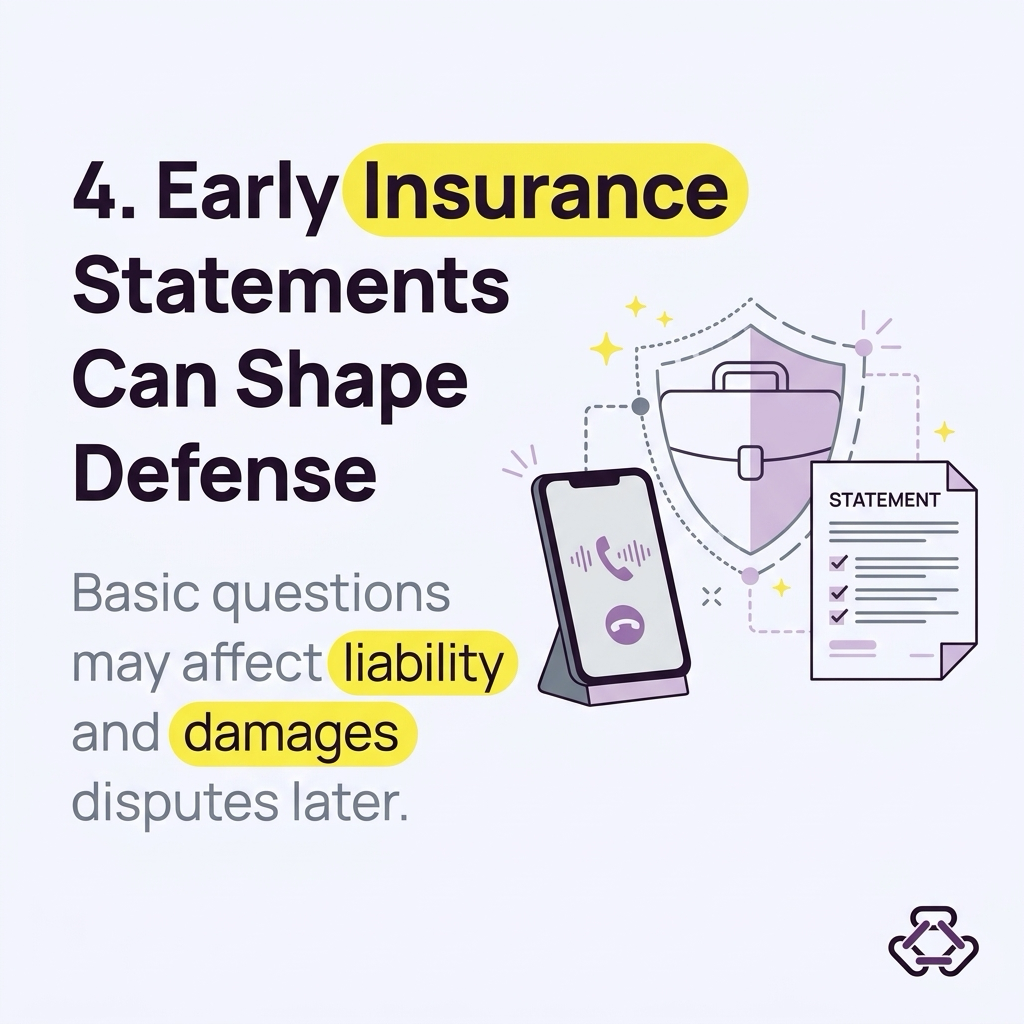
4. Talking To Insurance Adjusters Before Understanding The Full Case
Insurance carriers often contact families quickly after a fatal event. Those conversations may sound routine, compassionate, or administrative. Sometimes they are. Sometimes they also shape the defense view of the case from day one.
An early statement can create problems if the family does not yet know the medical timeline, the mechanics of the incident, or which relatives are legally relevant to damages. Seemingly simple questions about employment, prior health conditions, dependency, or the decedent’s activities can become part of a much larger liability or damages dispute later.
This is especially delicate in fatal cases because the damages analysis is often broader than immediate bills. Depending on state law, issues may include loss of financial support, services, guidance, companionship, funeral expenses, pre-death pain and suffering, and estate-related losses. The categories differ from state to state, and some states impose important limitations or caps in certain types of cases.
Another problem is that insurers sometimes encourage families to view the claim as narrow and straightforward before the full facts are known. A fatal truck crash may involve the driver, motor carrier, broker, maintenance contractor, shipper, or vehicle manufacturer. A nursing home death may involve staffing records, charting issues, contract relationships, and regulatory history. An unsafe-product death may turn on design, warnings, recalls, and spoliation issues.
What seems like “just a statement” can end up shaping the defense story before the family has had a chance to see the entire case.
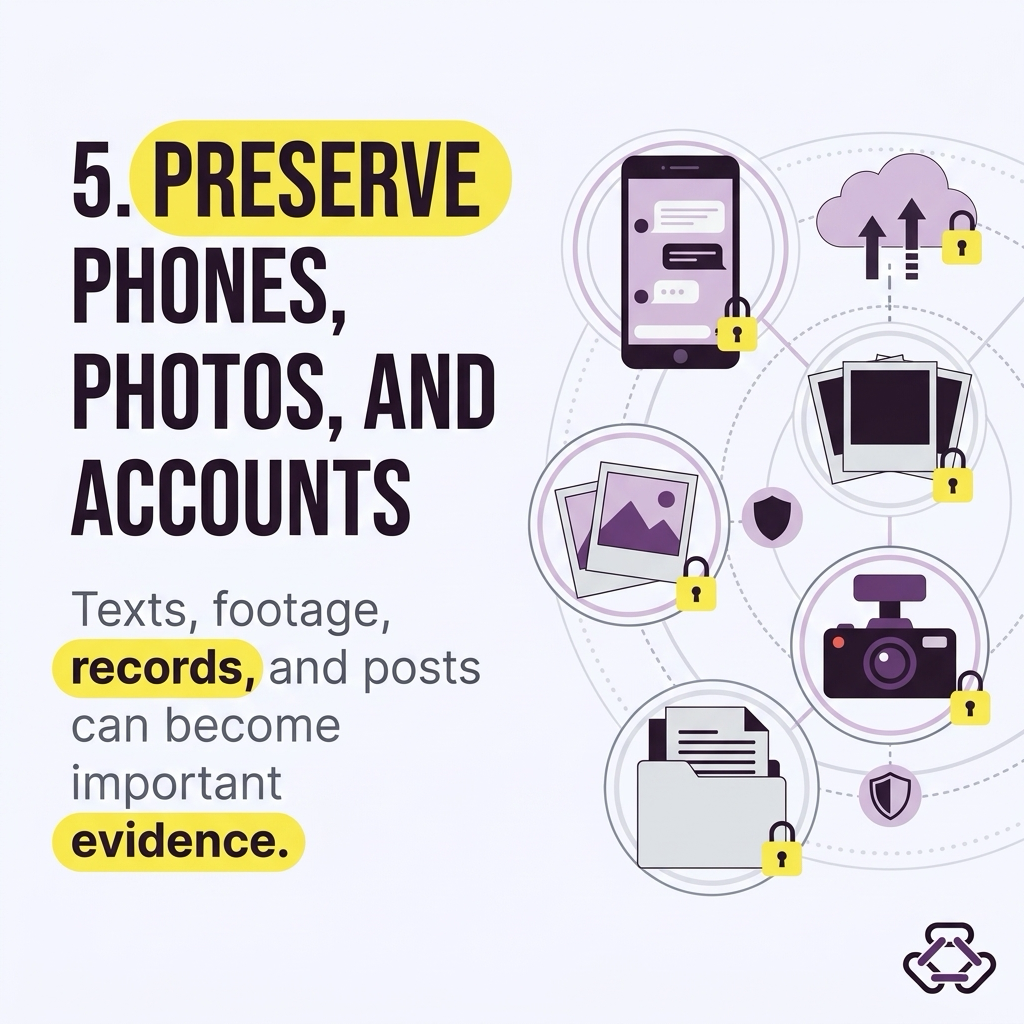
5. Not Preserving Evidence, Phones, Photos, And Social Media
Evidence loss is one of the most common early problems in wrongful death cases.
Families are often trying to clean up practical matters after a death. Phones get reset. Vehicles get sold. Personal items are donated. Social media content is edited or deleted. Text threads disappear. Home security footage is overwritten. Those steps may seem unrelated to litigation, but they can become important.
The American Bar Association has noted that the duty to preserve evidence arises when litigation is reasonably anticipated, and that social media content should be included in litigation-hold efforts because it can be easily modified or destroyed. ABA on preserving social media evidence The ABA has also discussed how attorneys and clients have to think carefully about preserving social media and other digital evidence once litigation is on the horizon. ABA ethics discussion
In a wrongful death case, preserved evidence can include:
- the decedent’s phone and cloud accounts
- text messages and call logs
- location data
- photographs and videos
- dashcam footage
- vehicle data
- medical records
- employment records
- wage records and tax returns
- receipts for funeral and related expenses
- journals, calendars, and family-care records
- the family’s own social media posts about the event
This category often surprises families because some of the most valuable evidence is not held by the family at all. It may be in the hands of a trucking company, hospital system, retail business, manufacturer, property owner, employer, or government agency. Early attorney involvement can sometimes help with preservation letters, subpoenas, and inspections before key material disappears.
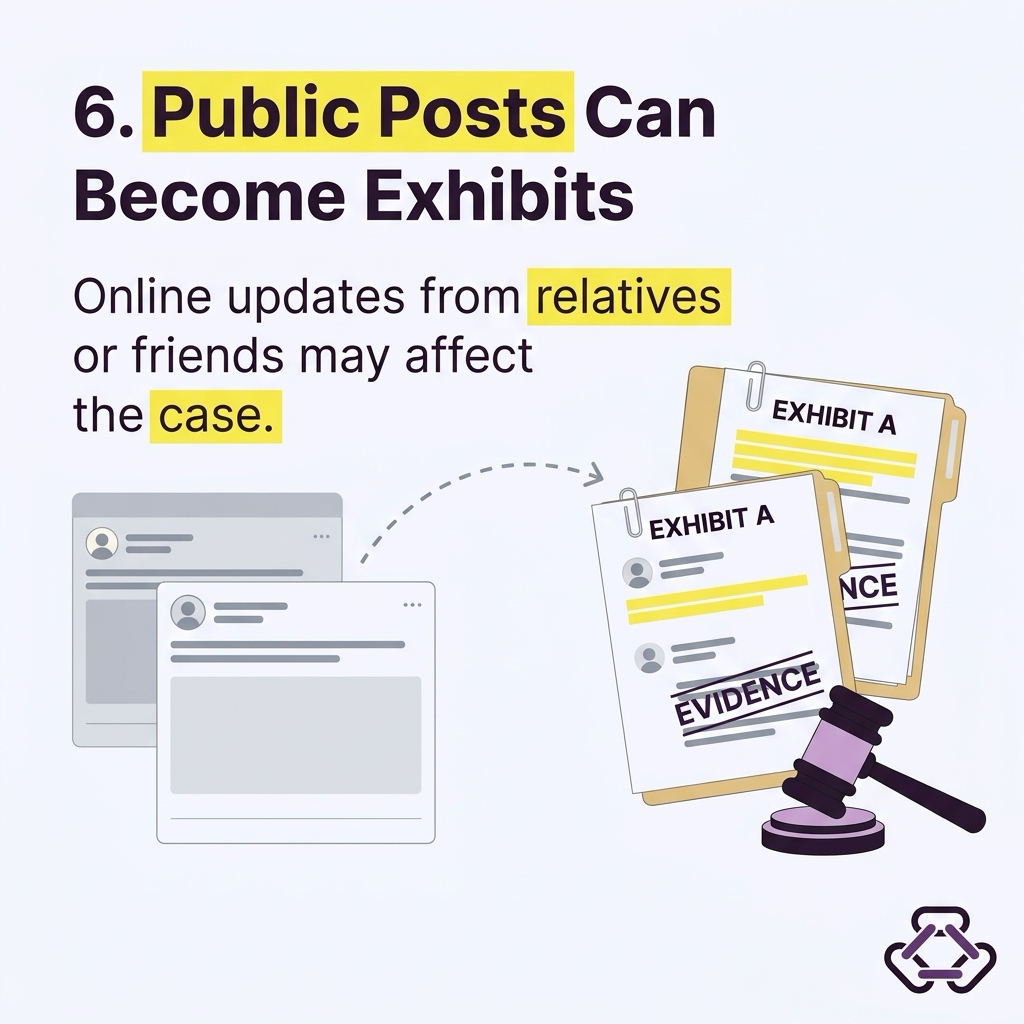
6. Posting Too Much Online Or Letting Others Tell The Story First
Families often post online for understandable reasons: to share obituary details, ask for support, memorialize a loved one, respond to rumors, or update the community. But public posts can become litigation exhibits.
The ABA has written extensively about the growing role of social media evidence in litigation and trial practice. ABA on social media evidence in proceedings ABA on using social media evidence at trial In wrongful death matters, defense counsel may review family posts about the decedent’s health, activities, finances, relationships, dependency, grief, travel, or communications after the death.
This is not limited to the person bringing the claim. Posts by siblings, adult children, friends, coworkers, or even well-meaning community members can affect how the case is viewed. A fundraiser description, for example, may contain details that later turn out to be incomplete or inaccurate. A post blaming one party too early may complicate the case if another defendant becomes relevant later. A post minimizing the decedent’s pain or timeline may affect damages arguments in some jurisdictions.
There is also the issue of online conflict. Families sometimes engage publicly with a driver, hospital, business, or their insurer before they know what evidence exists. That can generate screenshots, inconsistencies, and side disputes that distract from the core claim.
A more cautious approach often helps preserve clarity.
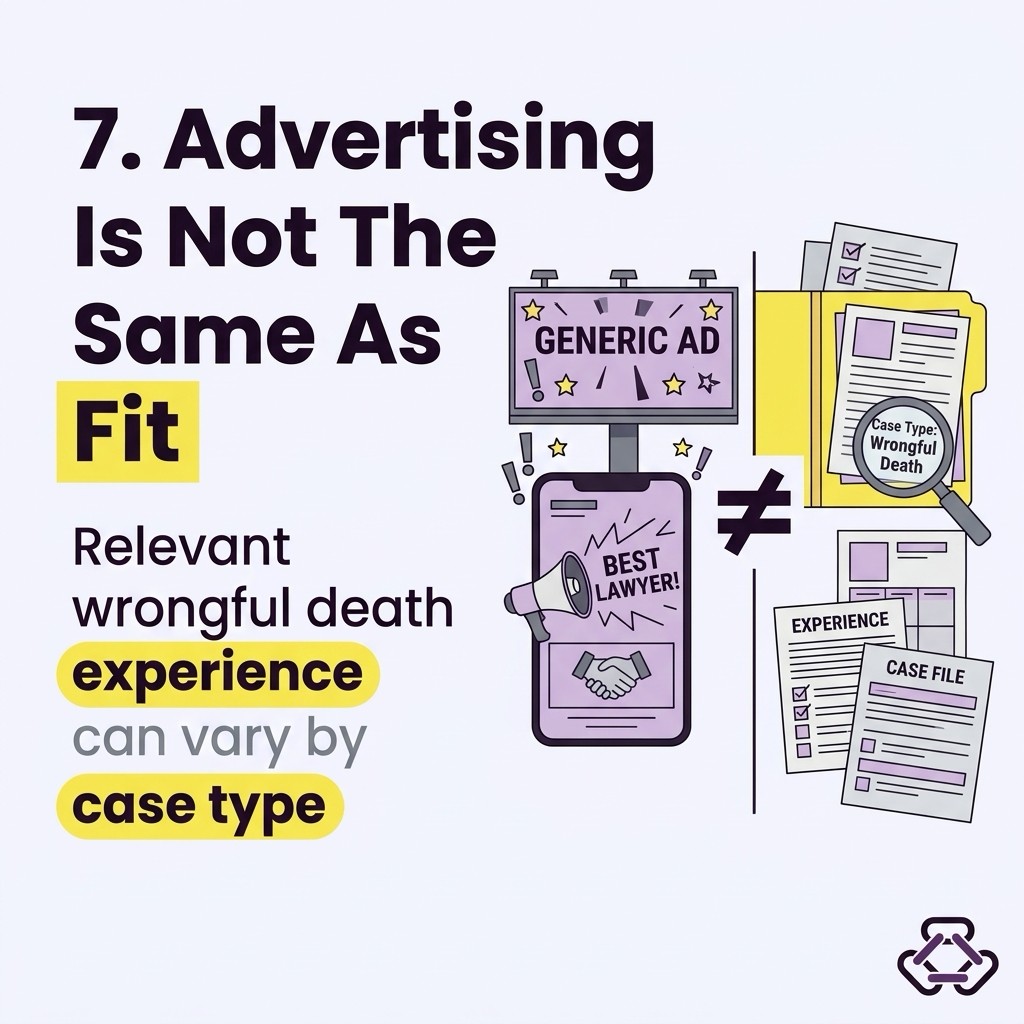
7. Hiring A Lawyer Based On Advertising Instead Of Documented Case Fit
Not every injury lawyer handles wrongful death matters the same way. And not every wrongful death matter resembles the next one.
A fatal trucking case, for example, differs from a death involving nursing home neglect, medical malpractice, construction equipment, toxic exposure, police conduct, or a defective product. The relevant evidence, liability theories, damages model, experts, and procedural traps can vary dramatically. That is why one of the biggest early mistakes is choosing counsel based mainly on billboards, brand recognition, or a general promise to “fight,” rather than documented fit with highly similar matters.
Families are often under enormous pressure and may not know what questions to ask. In general terms, more useful questions often involve:
- Has this lawyer handled cases involving this kind of death?
- Have they worked with the right experts for this type of claim?
- Do their prior matters show relevant experience in similar fact patterns?
- Are they comfortable with the estate and beneficiary issues involved?
- Have they actually litigated cases like this, not just signed them up?
This is where evidence-based matching can matter. In a wrongful death case, the relevant attorney may not be the one with the loudest marketing presence. It may be the lawyer whose documented experience aligns with the exact kind of case the family is facing.
That is also why finding counsel through objective criteria can be more useful than relying on ads or generic directories. A platform built around case similarity, court records, and demonstrable experience can help families focus on fit instead of hype.
A Few Other Early Issues Families Often Overlook
The seven mistakes above are the most common, but several related issues often appear alongside them.
Family Members Sometimes Assume Everyone Has The Same Legal Interests
That is not always how wrongful death cases work. Different relatives may have different roles, different financial dependency issues, or different positions under state law. In blended-family situations, estrangement, remarriage, adoption, and probate disputes can all affect the structure of the case.
The Case Value Is Not Always Measured By Immediate Bills
Families sometimes focus on funeral expenses and final medical invoices because those are the first numbers they see. But wrongful death damages may involve a broader analysis of the family’s losses and, in some jurisdictions, the decedent’s own pre-death damages as well. The exact categories depend heavily on state law.
Government Involvement Can Change The Timeline
If the death involved a city bus, public hospital, state university, dangerous roadway condition, police vehicle, or another public entity, the procedural requirements can look very different from an ordinary negligence case. Notice rules and immunities may come into play early.
What Families Often Gain By Avoiding These Mistakes
Avoiding these early errors does not guarantee a result. Wrongful death litigation is fact-intensive, state-specific, and emotionally difficult. But families who preserve evidence, clarify the estate issue, understand the civil timeline, and connect with counsel whose experience matches the case are often in a better position to evaluate what happened and what legal options may exist.
That can include a clearer understanding of:
- who has authority to act
- which claims may exist
- what damages categories may be available
- what deadlines are approaching
- what evidence is still obtainable
- which attorney has relevant, documented experience with similar matters
Final Thoughts
The earliest phase of a wrongful death case is often when families have the least information and the most pressure. That is exactly why the first steps can matter so much.
The common mistakes are usually understandable: waiting, trusting that another process will cover everything, overlooking the estate issue, speaking too freely with insurers, losing digital evidence, posting online, and choosing a lawyer based on marketing instead of fit. But in many cases, those issues can be addressed more carefully once the family understands how wrongful death claims actually work.
Visit ReferU.AI to get matched with an attorney who has demonstrable experience in cases like yours — for free.
