Table of Contents
- How to Tell Whether a Probate Ruling May Be Appealable
- Why Appealability In Probate Can Be Confusing
- Step 1: Start With The Written Order, Not The Judge’s Comments
- Step 2: Ask Whether The Ruling Decided A Distinct Probate Matter
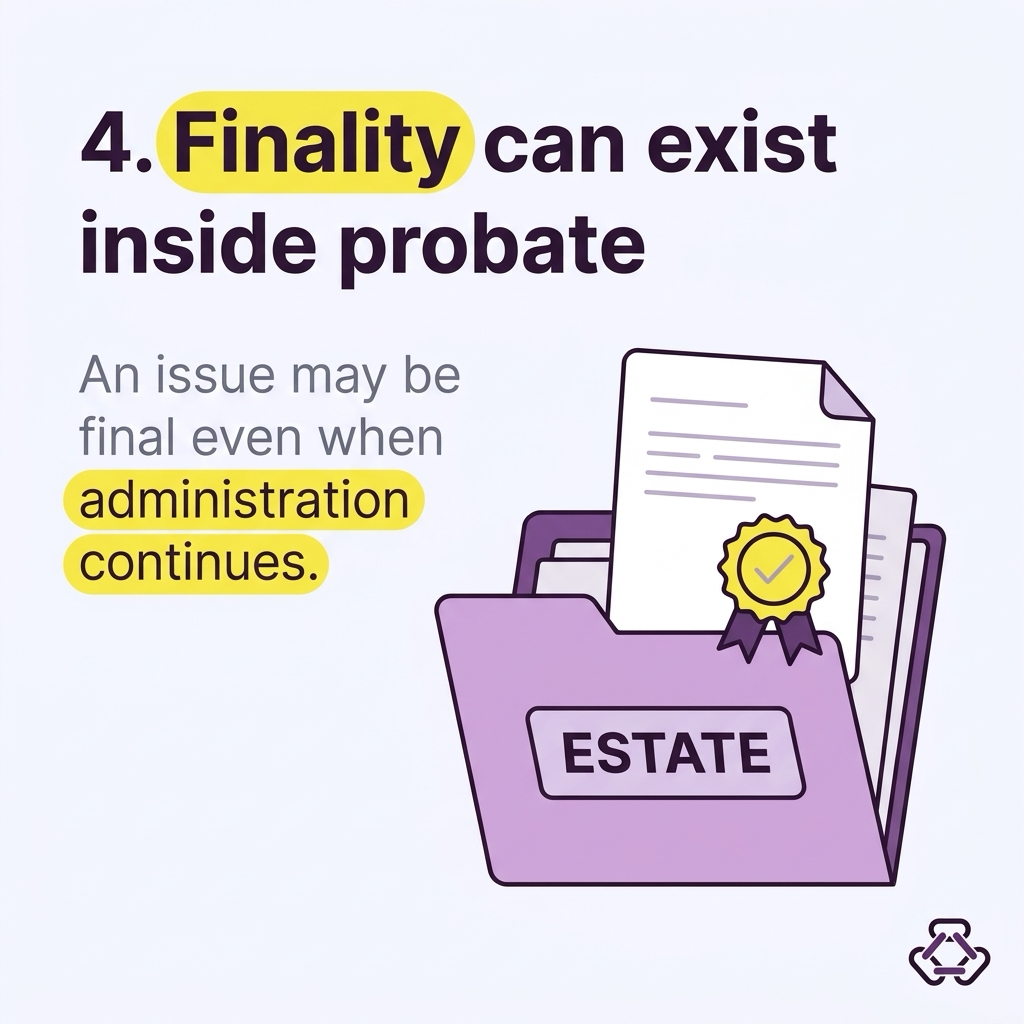
- Step 3: Look For Finality, Even Inside An Ongoing Probate Case
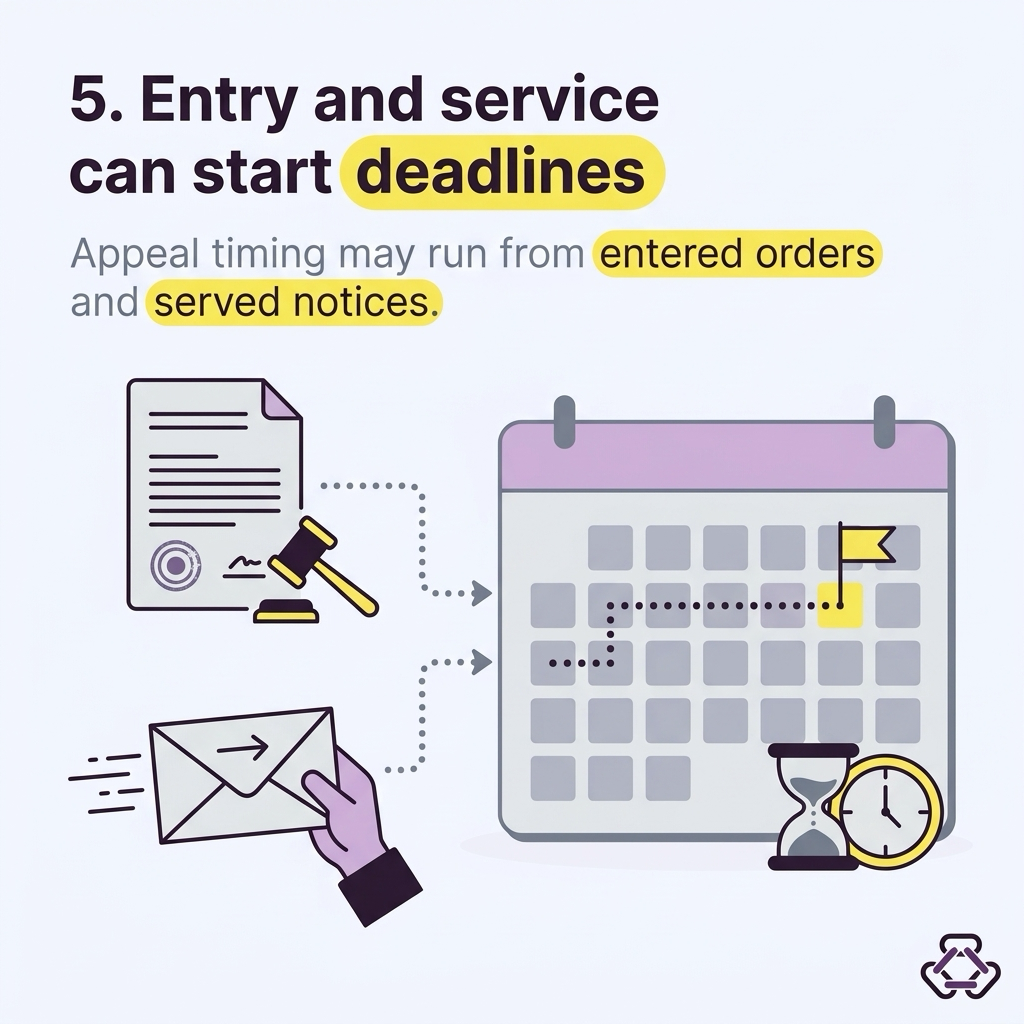
- Step 4: Check Whether The Order Actually Entered The Record
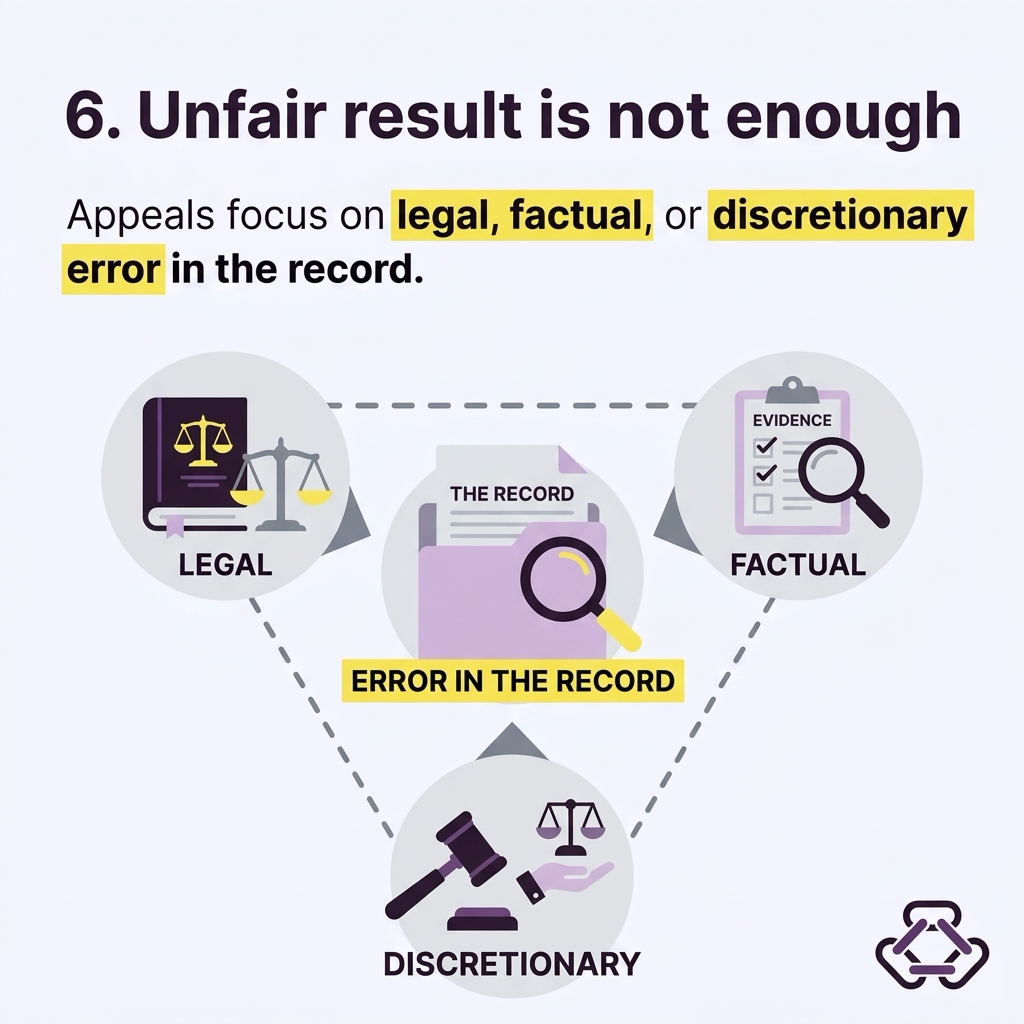
- Step 5: Separate Legal Error From Mere Disagreement
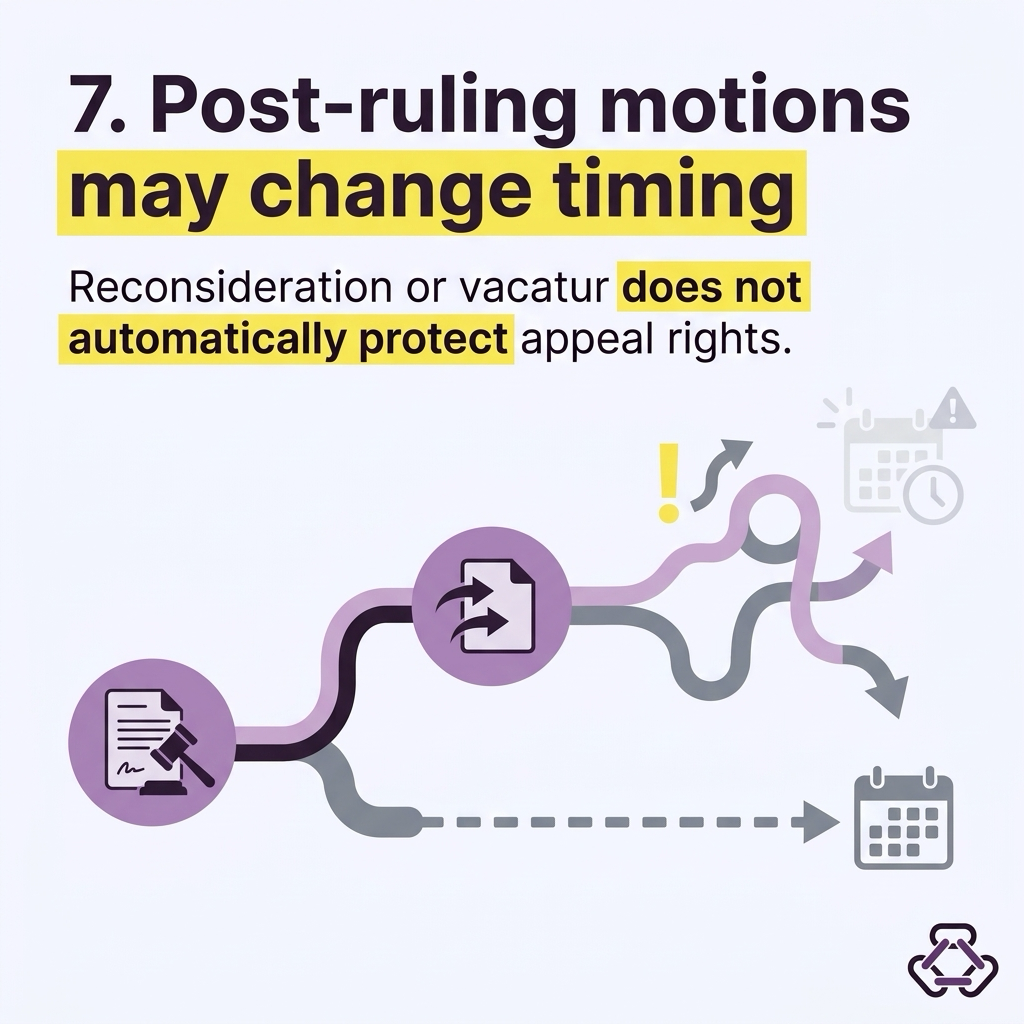
- Step 6: Consider Whether A Post-Ruling Motion Changes The Timing
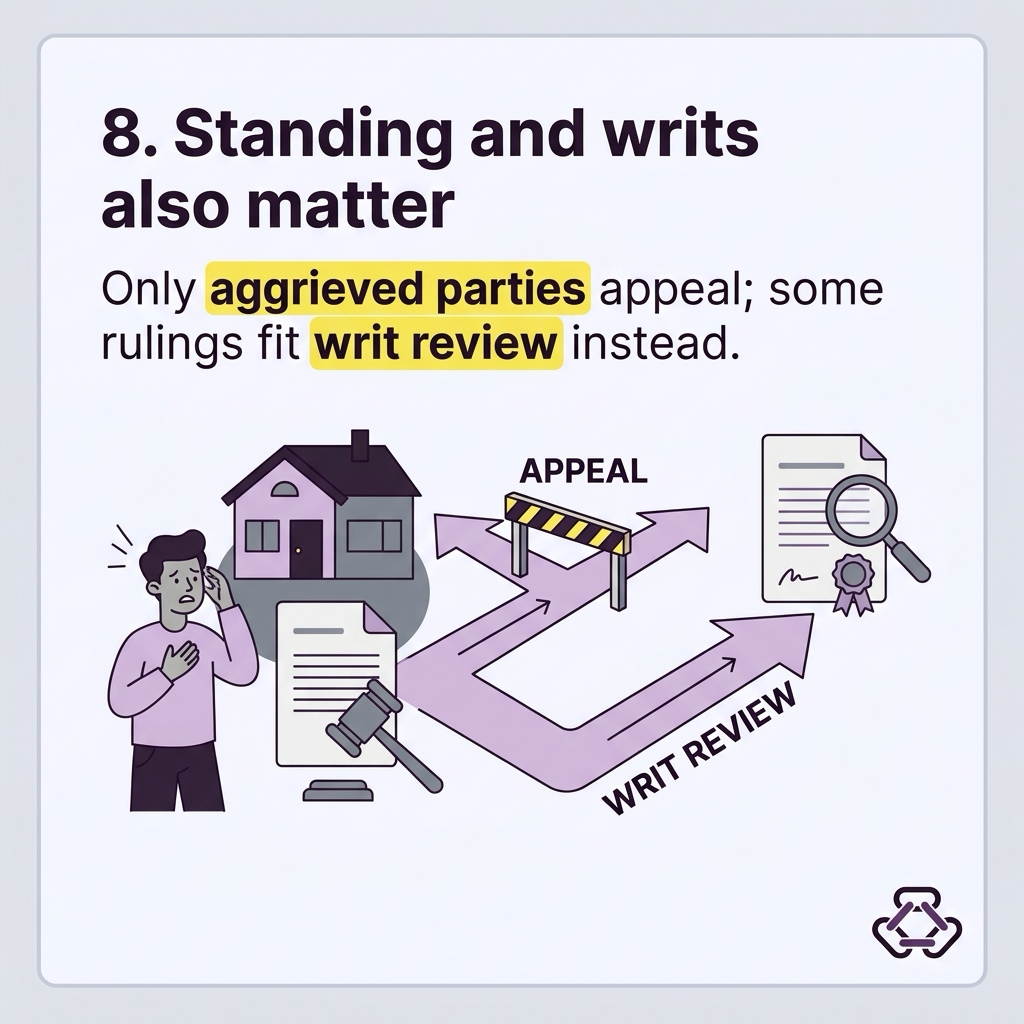
- Step 7: Ask Whether You Are An “Aggrieved” Party
- Step 8: Watch For Orders That May Require A Writ Instead Of An Appeal
- Common Signs A Probate Ruling May Be Appealable
- The Order Resolves A Petition, Not Just A Hearing Detail
- The Order Changes Legal Rights Immediately
- The Order Is Signed, Filed, And Entered
- The Order Leaves Little Or Nothing Else To Decide On That Issue
- A Statute Or Court Rule Specifically Lists The Order Type
- Common Signs It May Be Too Early To Appeal
- Why Fast Case Review Matters In Probate Appeals
- What To Gather Before Talking To A Probate Appeals Attorney
- The Bottom Line

Type
Great Grandchild
Status
Approved
Title (YouTube)
Images Failed (Social)
Images Failed (Social)
Do not index
Publish Date (TikTok)
Feb 21, 2027 14:15
Videos Post IDs (Social)
Hashtags (Social)
#LegalAdvice #LegalHelp #ProbateLitigation #ProbateAppeals
Caption
Caption X
Cover

OG Image

Alt Image Text
Minimal flat vector illustration of a probate legal scene with a gavel, scales, estate documents, and a highlighted branching path suggesting whether a probate ruling can be appealed.
Images

Videos
Publish Date (Social)
Jan 13, 2027 08:30
Scheduled (Social)
Scheduled (Social)
Images Posted (Social)
Images Posted (Social)
Videos Posted (Social)
Videos Posted (Social)
Featured
Created time
Apr 8, 2026 06:05 PM
Sub-item
Authors
CTA Practice Area (Social)
Probate Litigation
TikTok Failed (Social)
TikTok Failed (Social)
Videos Post Links (Social)
TikTok Post Links (Social)
Images Post IDs (Social)
YT Post ID
Video Pending Manual (Social)
TikTok Posted (Social)
TikTok Posted (Social)
TikTok Post IDs (Social)
Video Cover (Social)
Images Post Links (Social)
First Comment (Social)
Videos Failed (Social)
Videos Failed (Social)
YT Embedded
Images Delete (Social)
Videos Delete (Social)
Carousel Video URL (Social)
How to Tell Whether a Probate Ruling May Be Appealable
Probate hearings can feel deceptively informal right up until the court issues a ruling that changes who controls an estate, who inherits, whether a will stands, or whether a fiduciary gets removed. At that point, many people start asking the same question: Can this be appealed, or is it just a setback inside the same case?
That question matters because appeal rights in probate are often different from appeal rights in ordinary civil cases. In many jurisdictions, probate includes a larger group of rulings that can be reviewed right away, but not every bad result is automatically appealable, and filing too early or too late can end the process before the appellate court ever reaches the merits. California’s courts, for example, explain that in probate matters, most orders can be appealed right away, while also warning that appeals filed without an appealable order are subject to dismissal. California Courts Self-Help California Court of Appeal Self-Help Manual
In this post you’ll learn how to spot the signs that a probate ruling may be appealable, what makes a ruling “final enough” for review, why deadlines can become dangerous quickly, and when a probate appeals attorney may help separate a real appellate issue from a hearing-level disappointment. If you want a broader foundation first, our guide on understanding final probate orders, review standards, and post-judgment planning adds useful background.
Scroll to the bottom for every post in this series.
Why Appealability In Probate Can Be Confusing
Probate cases do not always move from one lawsuit to one final judgment in a straight line. A single estate or trust dispute may involve petitions about appointment of a personal representative, will contests, accountings, fee awards, surcharge requests, distribution issues, creditor claims, or removal of a fiduciary. Some rulings effectively decide a distinct probate issue, while others simply manage the case on the way to a later decision.
That is why people often confuse three very different things:
- A final, appealable ruling
- A temporary or procedural ruling that is not yet appealable
- A ruling that may be challenged through a writ petition rather than a standard appeal
In general terms, appellate courts look first at jurisdiction. If the order is not one the appellate court is authorized to review, the appeal may be dismissed even if the trial court made a serious error. California’s self-help materials say this plainly: you need an appealable order or judgment, and if the case does not have one, the Court of Appeal will dismiss the appeal. California Courts Self-Help
Step 1: Start With The Written Order, Not The Judge’s Comments
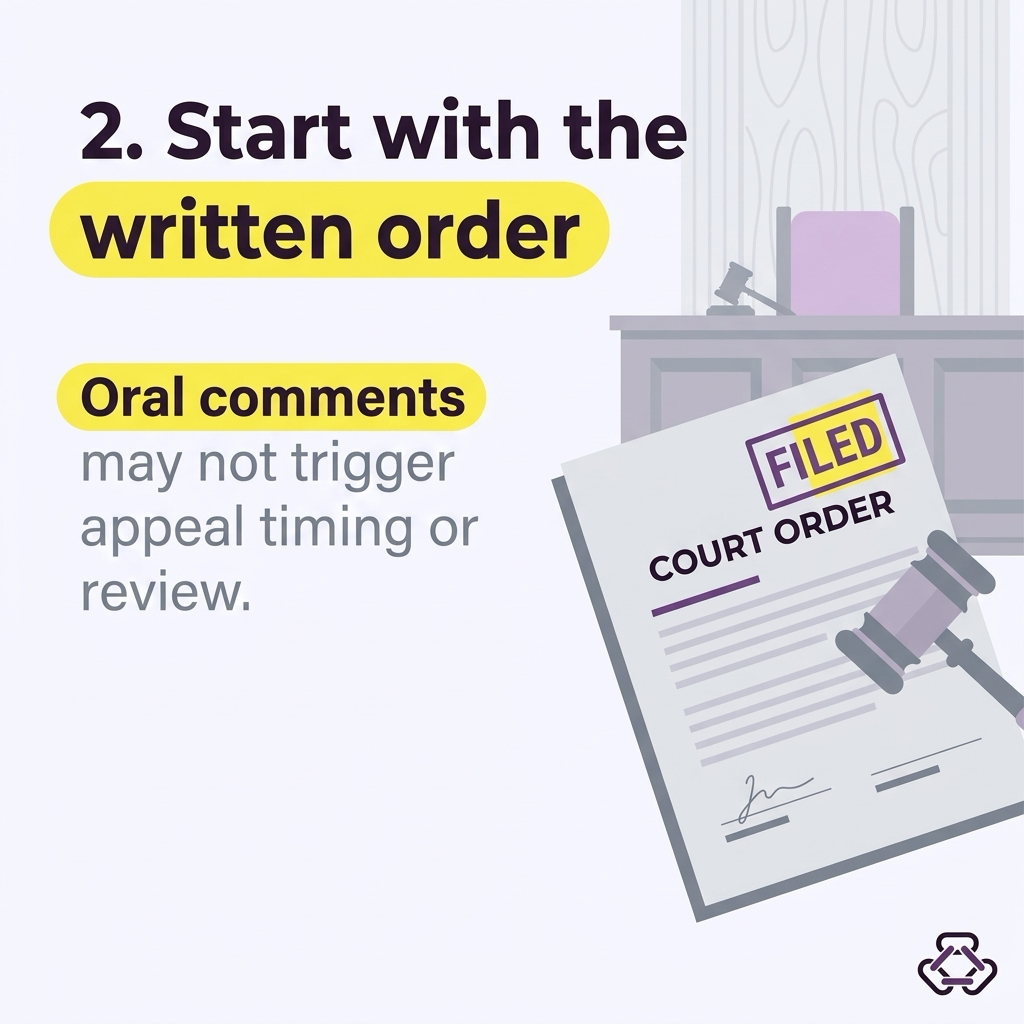
One of the most common sources of confusion is the hearing itself. A probate judge may say a great deal from the bench. The judge may indicate how the court is leaning, explain concerns, or announce a tentative or oral ruling. But the appeal analysis usually begins with the written, entered order.
California’s appellate rules explain that the entry date of an appealable order matters, and that if a minute order directs that a written order be prepared, the entry date may be the date the signed order is filed rather than the hearing date. The same rules also contain a separate provision for decrees of distribution in probate proceedings. California Rules of Court, rule 8.104
Here’s what people in probate disputes often overlook:
- An oral ruling may not be the appealable event
- A minute order may or may not be the operative order
- A later signed order may be the document that starts the clock
- In some situations, the wording of the order helps show whether the court resolved a distinct issue or merely postponed it
If the question is “Can I appeal this?”, the first document an attorney often wants to see is the exact file-stamped order.
Step 2: Ask Whether The Ruling Decided A Distinct Probate Matter
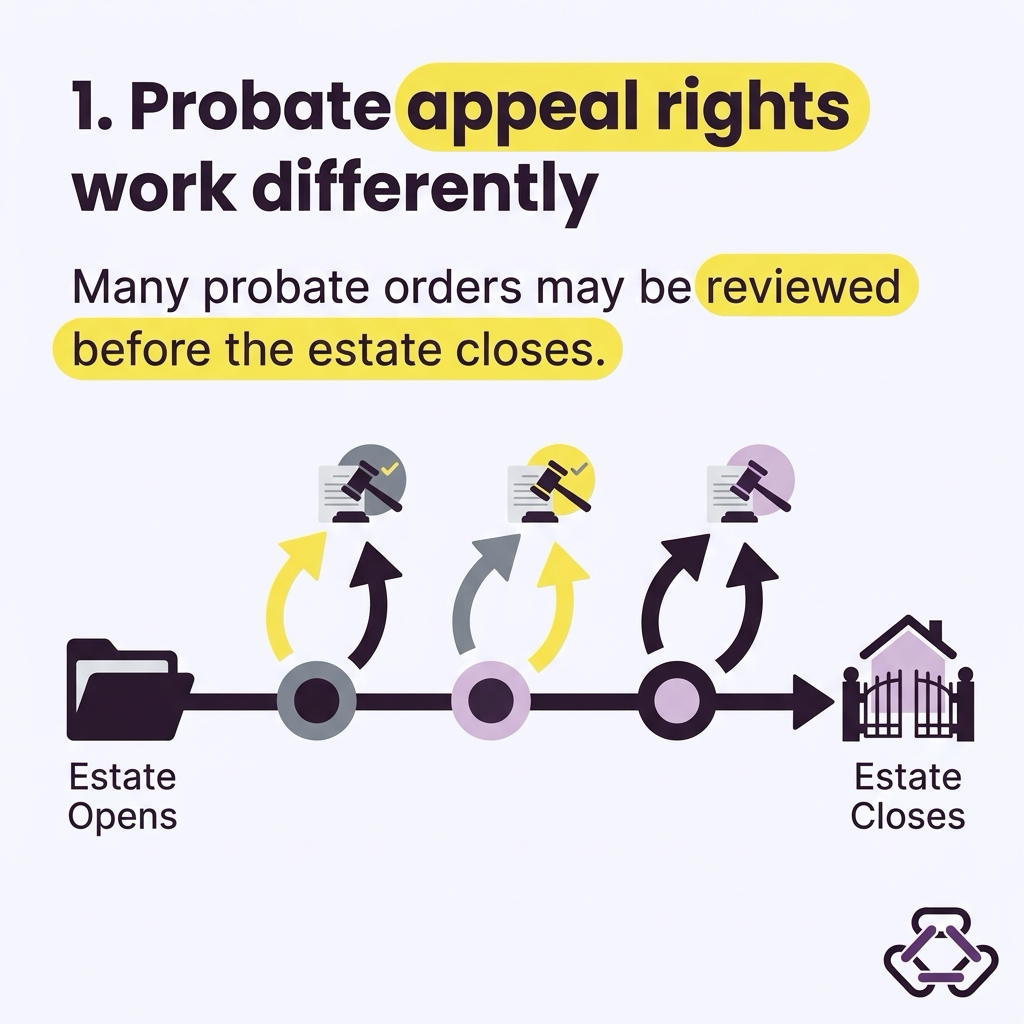
Probate is unusual because many orders made during administration can be reviewed immediately. California appellate guidance states that in family law and probate cases, most orders made in the case can be appealed right away. California Court of Appeal Self-Help Manual
That does not mean every ruling qualifies. A useful practical question is this:
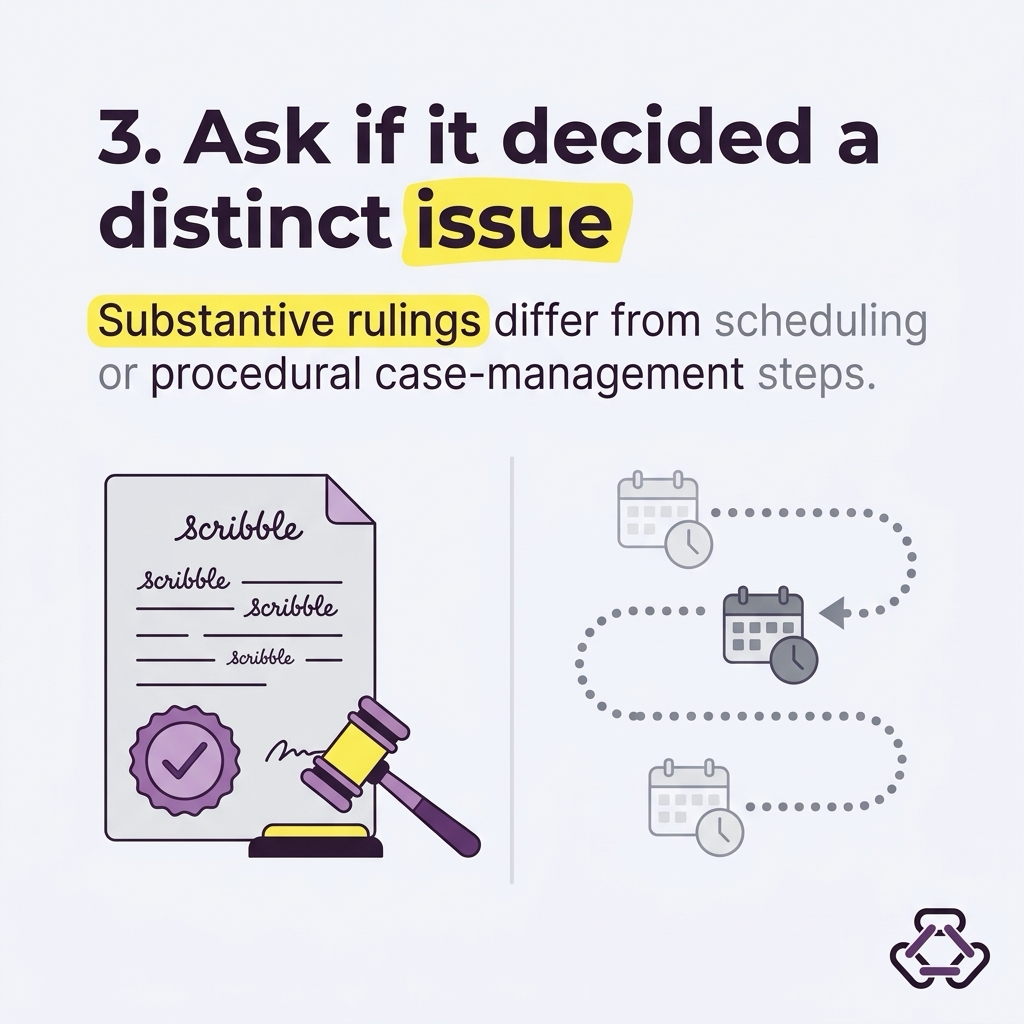
Did the order finally determine a specific probate issue, or did it only move the case along?
Rulings that often raise appealability questions include orders:
- admitting or rejecting a will
- appointing, suspending, or removing a personal representative, executor, administrator, conservator, or trustee in court-supervised proceedings
- approving or denying an accounting
- settling fiduciary fees or attorney fees
- ordering or refusing distribution
- granting or denying surcharge relief
- resolving creditor claim disputes
- determining heirship or beneficiary rights
By contrast, orders that are mainly procedural may be less likely to support an immediate appeal, such as:
- setting a further hearing
- requesting supplemental briefing
- continuing a petition
- making discovery or scheduling rulings
- issuing tentative findings that anticipate a later formal order
A probate appeals lawyer may help identify whether the ruling is substantive and conclusive as to the issue at hand, which is often where appealability becomes clearer.
Step 3: Look For Finality, Even Inside An Ongoing Probate Case
Many people assume that because the estate remains open, nothing can be appealed yet. In probate, that assumption is often inaccurate.
In ordinary civil litigation, appealability usually centers on a final judgment resolving all claims among all parties. Federal appellate guidance still reflects that general rule: appeal usually lies from a final judgment that disposes of all claims, with only limited exceptions for interlocutory review. U.S. Court of Appeals for the Fourth Circuit Appellate Procedure Guide
Probate can work differently. A ruling may be functionally “final” as to a particular probate petition or issue even though the larger administration continues. That is why a removal order, fee order, or distribution order may be reviewable before the estate fully closes.
A helpful way to think about it is this:
- Case still active does not always mean order not appealable
- Issue fully decided may point toward appealability
- Issue still open for later determination may point away from appealability
This distinction matters because litigants sometimes wait for a more obvious “end” to the probate case and later discover that the deadline to appeal a specific order expired months earlier.
Step 4: Check Whether The Order Actually Entered The Record
Appeal clocks are often triggered by entry and service rules, not by memory of the hearing.
California Rule 8.104 states that, absent certain exceptions, the outside deadline to appeal is generally the earliest of:
- 60 days after the clerk serves a notice of entry,
- 60 days after a party serves notice of entry or a file-endorsed copy of the judgment or appealable order, or
- 180 days after entry.
California’s self-help page also emphasizes that the 60-day period runs from the date the notice of judgment was served, not from when it was received. California Courts Self-Help
That can produce real problems in probate because parties often focus on family dynamics or settlement discussions while a deadline quietly runs in the background.
Some warning signs include:
- “I thought the clerk would send something else later”
- “We were waiting for the estate to close”
- “The judge said more details would come, so I assumed this wasn’t final”
- “Opposing counsel served a notice of entry and I didn’t realize it mattered”
An attorney reviewing appealability often compares the hearing transcript, minute entry, signed order, service documents, and docket history side by side.
Step 5: Separate Legal Error From Mere Disagreement
Not every unfavorable probate ruling becomes a workable appeal just because it feels unfair.
Appeals are not retrials. Appellate courts generally review whether the trial court applied the correct law, used the proper procedure, or made findings supported by the record. California’s self-help materials explain that appellate courts use different standards of review, and those standards shape how difficult it may be to reverse a ruling. California Courts Self-Help
At a high level, common review standards include:
- De novo review for many legal questions, where the appellate court gives less deference to the trial court’s legal conclusion
- Substantial evidence review for many factual findings, where the appellate court is far more deferential
- Abuse of discretion review for discretionary rulings, where reversal can be harder to obtain unless the lower court exceeded the bounds of reason or applied the wrong legal framework
The Federal Judicial Center similarly describes appellate review as a process shaped by the type of issue under review, with different levels of deference depending on whether the issue is legal, factual, or discretionary. Federal Judicial Center
Here’s what this often means in probate:
- If the dispute is mainly about what the law requires, appeal prospects may look different
- If the dispute is mainly about whose testimony the judge believed, the road can become steeper
- If the issue involves discretion, such as management of proceedings or approval decisions, the appellate court may give the probate judge considerable room
So the real question is often not just “Was the ruling bad for me?” but “What kind of mistake does the record show?”
Step 6: Consider Whether A Post-Ruling Motion Changes The Timing
People sometimes file motions for reconsideration or motions to vacate and assume those filings automatically protect appeal rights. That assumption can be risky.
In California probate appeals, certain post-order motions can extend the time to appeal in defined circumstances. Rule 8.702 states that a valid motion to reconsider an appealable order can extend the time to appeal from that order, and valid motions for new trial or to vacate may extend deadlines in some matters as well. California Rules of Court, rule 8.702
But extension rules are technical, and the same rule framework also makes clear that appellate timing is strict. Rule 8.104 says no court may extend the time to file a notice of appeal except as provided by rule, and a late notice of appeal requires dismissal. California Rules of Court, rule 8.104
That is one reason probate litigants often talk with appellate counsel before assuming a motion below solves the deadline issue. Sometimes it helps; sometimes it does not; sometimes it helps only if filed in a specific way and within a specific period.
Step 7: Ask Whether You Are An “Aggrieved” Party
Even where an order is appealable, not everyone connected to the estate can appeal it.
California appellate guidance explains that a person generally has to be aggrieved, meaning the ruling affects that person’s legal rights or imposes a financial consequence. California Court of Appeal Self-Help Manual
In probate, that may include:
- a beneficiary whose share is reduced
- a nominated executor who is denied appointment
- a removed fiduciary
- an heir whose inheritance rights were rejected
- a creditor whose claim was denied
But standing questions can become murkier when someone is disappointed emotionally yet not directly harmed in a legally recognized way. A sibling, relative, or interested observer may feel deeply affected while still facing a standing challenge on appeal.
Step 8: Watch For Orders That May Require A Writ Instead Of An Appeal
Sometimes a ruling is harmful immediately but not directly appealable. In those situations, lawyers may analyze whether extraordinary writ relief is the better procedural path.
Writ practice is narrower and more discretionary than a standard appeal. It often comes up where waiting for later review could cause irreparable harm, or where the ruling is not appealable but has major practical consequences.
This is one of the trickiest parts of probate procedure because litigants may spend precious time preparing the wrong kind of challenge. If the issue is truly nonappealable, a notice of appeal may be dismissed. If writ relief was the more realistic vehicle, delay can matter.
Common Signs A Probate Ruling May Be Appealable
While every state’s statutes and procedural rules differ, the following clues often point toward a ruling that may be appealable:
The Order Resolves A Petition, Not Just A Hearing Detail
If the court granted or denied a petition in a way that settled a distinct probate controversy, appealability becomes more plausible.
The Order Changes Legal Rights Immediately
Orders affecting appointment, removal, distributions, accountings, fees, or ownership rights often have stronger appealability characteristics than scheduling rulings.
The Order Is Signed, Filed, And Entered
A clear written order with an identifiable entry date usually gives appellate analysis a firmer starting point than oral comments alone.
The Order Leaves Little Or Nothing Else To Decide On That Issue
Even if the broader estate remains active, the relevant question may be whether that specific matter is over.
A Statute Or Court Rule Specifically Lists The Order Type
Many states identify appealable probate orders by statute. A local probate appeals attorney may trace the exact category and compare it with the wording of the order.
Common Signs It May Be Too Early To Appeal
On the other side, these facts may suggest the ruling is not yet ready for a standard appeal:
- the judge only issued an oral tentative ruling
- the minute order says a further written order will follow
- the court continued the petition for additional evidence
- the ruling concerns discovery, scheduling, or case administration rather than the merits
- the court deferred the final decision on fees, distribution, or liability
- the order expressly states that additional findings or proceedings are still required
That does not always end the inquiry, but it often means appealability is less straightforward than it first appears.
Why Fast Case Review Matters In Probate Appeals
Probate cases can involve substantial assets, family-control issues, fiduciary authority, and irreversible administration steps. Once property is distributed, records become stale, or estate decisions move forward, reversing course may become more difficult in practical terms even if a later appeal remains theoretically possible.
California’s court statistics materials continue to track probate as a distinct category within the superior courts’ annual caseload reporting, which reflects how substantial and recurring these matters are in the trial system. Judicial Branch of California Court Statistics When a probate order affects money, authority, or inheritance rights, the procedural posture often matters almost as much as the underlying merits.
That is where attorney fit becomes important. A general probate lawyer may know the estate issues well. An appellate lawyer may know preservation, appealability, standards of review, and briefing strategy. In some matters, clients look for counsel with documented experience in highly-similar probate disputes so the case review is grounded in court-record evidence rather than advertising language.
What To Gather Before Talking To A Probate Appeals Attorney
If you are trying to figure out whether a ruling may be appealable, these documents often help frame the analysis:
- the petition and any objections
- the court’s minute order
- the signed written order
- any notice of entry served by the clerk or another party
- the register of actions or docket
- hearing transcripts, if available
- exhibits or declarations tied to the ruling
- any post-hearing motions, including reconsideration or vacatur filings
A lawyer may use those materials to answer several threshold questions quickly:
- Is the order appealable?
- When did the clock likely start?
- Was any issue preserved?
- What standard of review may apply?
- Is there a stay issue?
- Does the record support a legal error argument?
If you want to go deeper on the broader framework, our companion article on how probate appeals work from final orders through post-ruling strategy expands on these building blocks.
The Bottom Line
A probate ruling may be appealable when it finally decides a distinct probate issue, changes legal rights in a concrete way, and appears in an entered written order that triggers a real deadline. But probate procedure is full of traps involving finality, standing, timing, and the difference between an appeal and some other form of review.
In general terms, the most expensive mistake is often not losing the hearing. It is misreading the ruling afterward.
Visit ReferU.AI to get matched with an attorney who has demonstrable experience in cases like yours — for free.
