Table of Contents
- Work Visas Explained: H-1B, Sponsorship, Timing, and Employer-Driven Immigration
- What Does “Employer-Driven Immigration” Mean?
- What Is The H-1B Visa?
- What Does Sponsorship Actually Involve?
- The H-1B Registration Process
- The Labor Condition Application
- The Form I-129 Petition
- Possible Visa Stamping Or Change Of Status
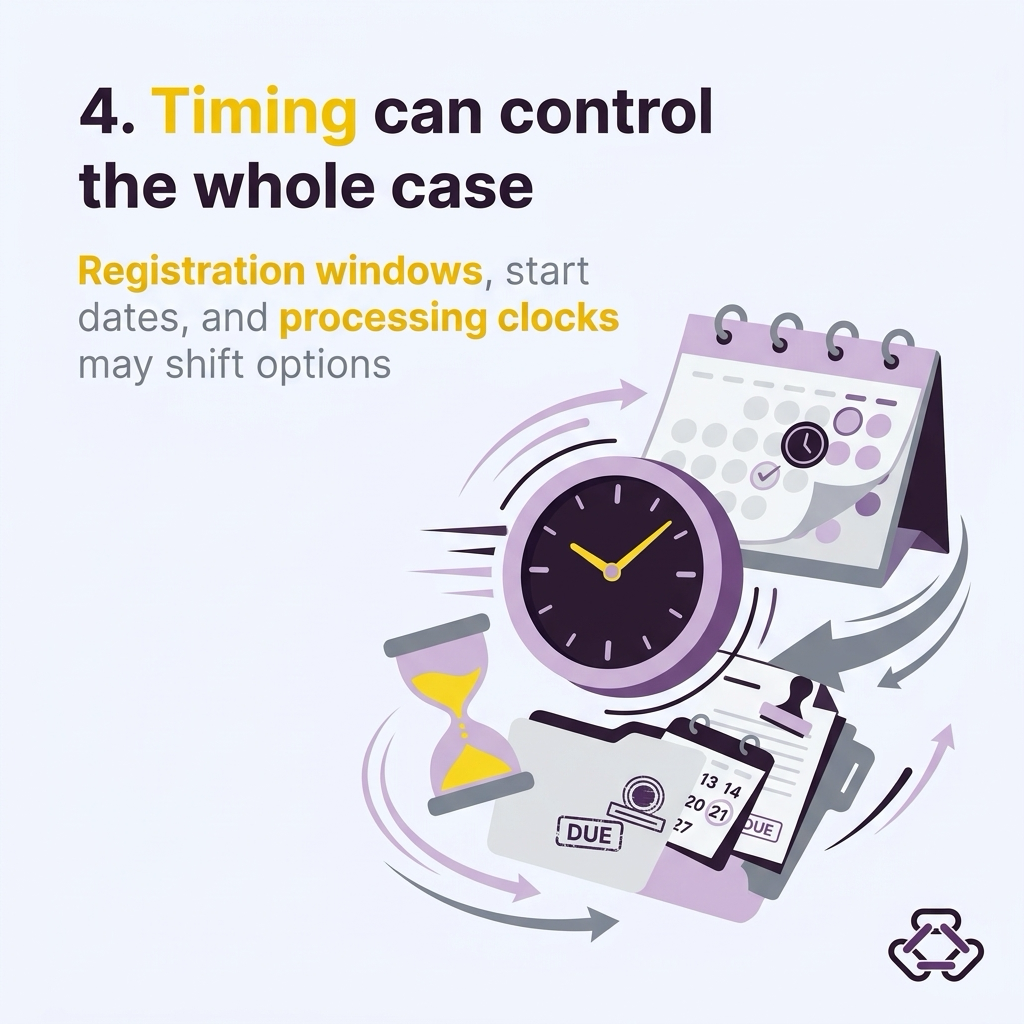
- Why Timing Shapes The Whole Case
- Annual Cap Timing
- Employer Hiring Timelines
- F-1 To H-1B Timing
- Job Loss Timing
- Why Employers Control So Much Of The Process
- Are All H-1B Cases Subject To The Lottery?
- What Happens If The Job Changes?
- What Are The Most Common Risk Points?
- Wage And LCA Issues
- Specialty Occupation Mismatches
- Unreported Job Changes
- Timing Gaps After Layoffs
- How Do Employers And Workers Prepare A Stronger Filing Record?
- What Questions Do Foreign Professionals Ask Most Often?
- Why Attorney Fit Matters In Employer-Sponsored Immigration
- Final Thoughts On H-1B, Sponsorship, And Timing

Type
Grandchild
Status
Approved
Title (YouTube)
Images Failed (Social)
Images Failed (Social)
Do not index
Parent item
Publish Date (TikTok)
Apr 26, 2027 16:15
Videos Post IDs (Social)
Hashtags (Social)
#LegalAdvice #LegalHelp #Immigration #WorkVisas
Caption
Caption X
Cover

OG Image

Alt Image Text
Flat vector illustration of work visas and H-1B sponsorship showing employer-driven immigration, timing, documents, and a professional connected to an employer-led visa process.
Images

Videos

Publish Date (Social)
Feb 20, 2027 06:00
Scheduled (Social)
Scheduled (Social)
Images Posted (Social)
Images Posted (Social)
Videos Posted (Social)
Videos Posted (Social)
Featured
Created time
Apr 7, 2026 12:01 AM
Authors
CTA Practice Area (Social)
Immigration
TikTok Failed (Social)
TikTok Failed (Social)
Videos Post Links (Social)
TikTok Post Links (Social)
Images Post IDs (Social)
YT Post ID
Video Pending Manual (Social)
TikTok Posted (Social)
TikTok Posted (Social)
TikTok Post IDs (Social)
Video Cover (Social)

Images Post Links (Social)
First Comment (Social)
Videos Failed (Social)
Videos Failed (Social)
YT Embedded
YT Embedded
Images Delete (Social)
Videos Delete (Social)
Carousel Video URL (Social)
Work Visas Explained: H-1B, Sponsorship, Timing, and Employer-Driven Immigration
If you’re trying to understand how U.S. work visas actually function, it can feel like every answer leads to three more questions. What is H-1B sponsorship, exactly? How early does an employer start? What happens if you change jobs? And why does so much of the process depend on the company, not just the worker?
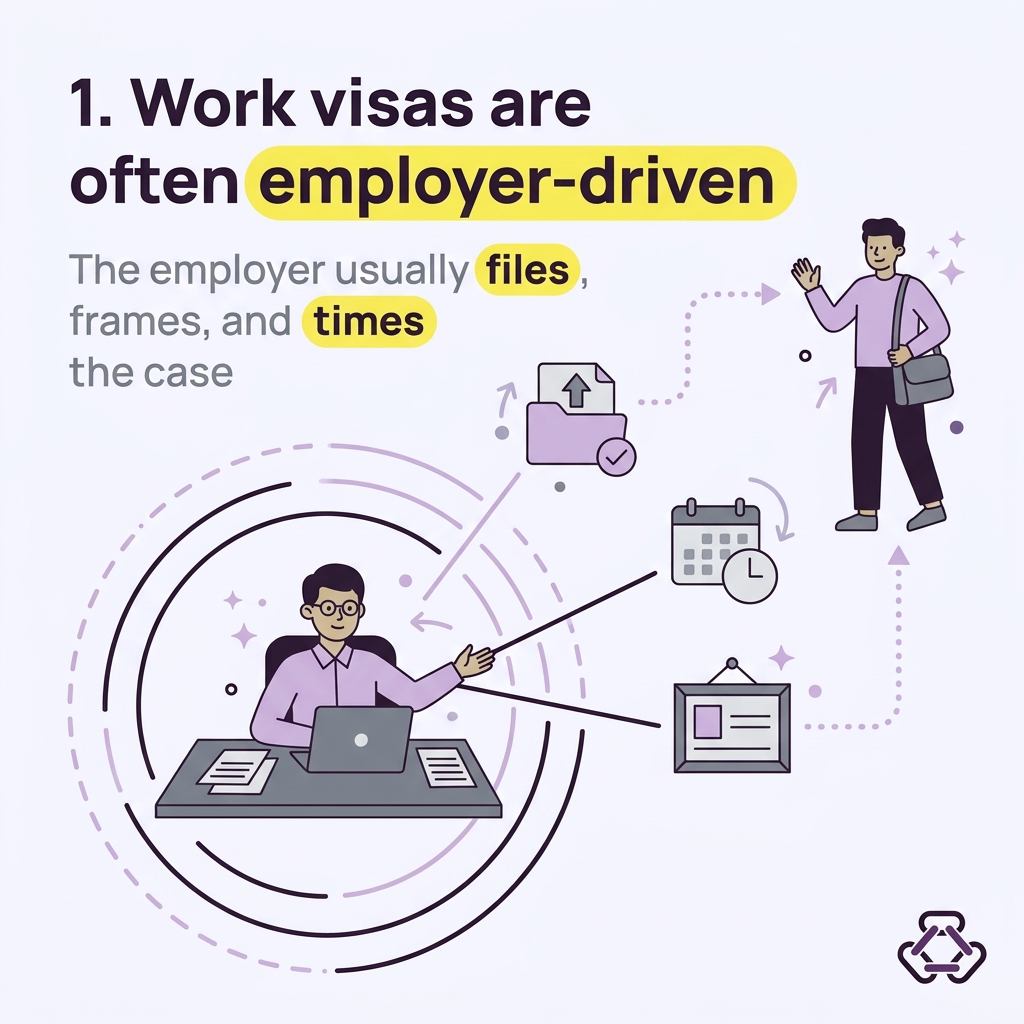
In simple terms, many U.S. work visas are employer-driven. That means the employer often controls the petition, the timing, the job description, and in some cases whether the person can start, continue, or change work lawfully. For many professionals, the legal issue is not just “Do I qualify?” but also “Is my employer filing the right thing, at the right time, with the right evidence?”
In this post you’ll learn how H-1B visas work, what sponsorship usually involves, why timing can shape the whole strategy, and how employer-driven immigration affects job changes, extensions, and long-term planning. If you want a broader overview of the immigration system first, this plain-language introduction to major immigration paths may help set the stage.
Scroll to the bottom for every post in this series.
What Does “Employer-Driven Immigration” Mean?
Employer-driven immigration refers to immigration processes where a U.S. employer plays the central role in filing and supporting the case. In many employment-based visa categories, the employer—not the worker—submits the main petition to U.S. Citizenship and Immigration Services (USCIS). That structure is especially visible in the H-1B process, where the employer typically handles the registration, the Labor Condition Application, and the Form I-129 petition. USCIS’s H-1B overview and the Department of Labor’s LCA guidance both reflect that employer-centered design.
That setup affects more than paperwork. It often influences:
- whether a case can be filed at all
- when it can be filed
- what wage level is used
- what job duties are described
- what worksite locations are covered
- whether an amendment or transfer may be required later
This is one reason employment immigration can feel different from family-based immigration. The foreign national’s qualifications matter, but so do the employer’s structure, compliance practices, and willingness to support the case over time.
What Is The H-1B Visa?
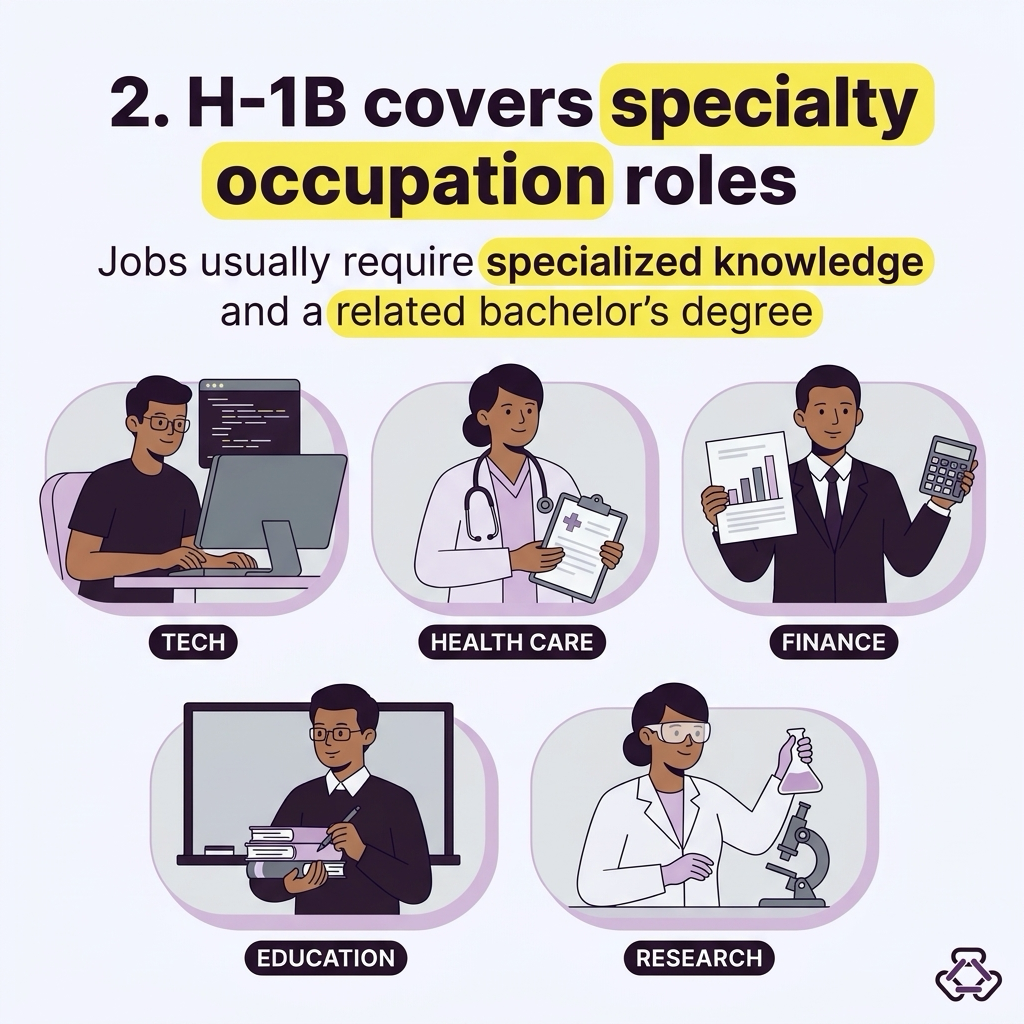
The H-1B is a temporary work visa for certain specialty occupation jobs. USCIS explains that these are jobs requiring the theoretical and practical application of specialized knowledge and at least a bachelor’s degree or equivalent in a specific specialty. The Department of Homeland Security’s modernization rule that took effect on January 17, 2025 also tightened and clarified parts of the specialty occupation analysis, including a stronger “directly related” connection between the degree field and the job duties, while also formalizing several existing adjudication practices. See USCIS’s H-1B final rule announcement and USCIS’s H-1B program modernization release.
In everyday terms, H-1B is often used for jobs in technology, engineering, finance, health care, education, research, and other fields where the employer can document that the position genuinely requires specialized academic preparation. The visa is commonly granted in increments of up to three years, with a typical maximum of six years in H-1B status, although there are exceptions in some green card-related situations described by USCIS.
If you want a simpler walkthrough of the basic choices employers and professionals often compare, this guide to common employer-sponsored visa options may be a helpful companion.
What Does Sponsorship Actually Involve?
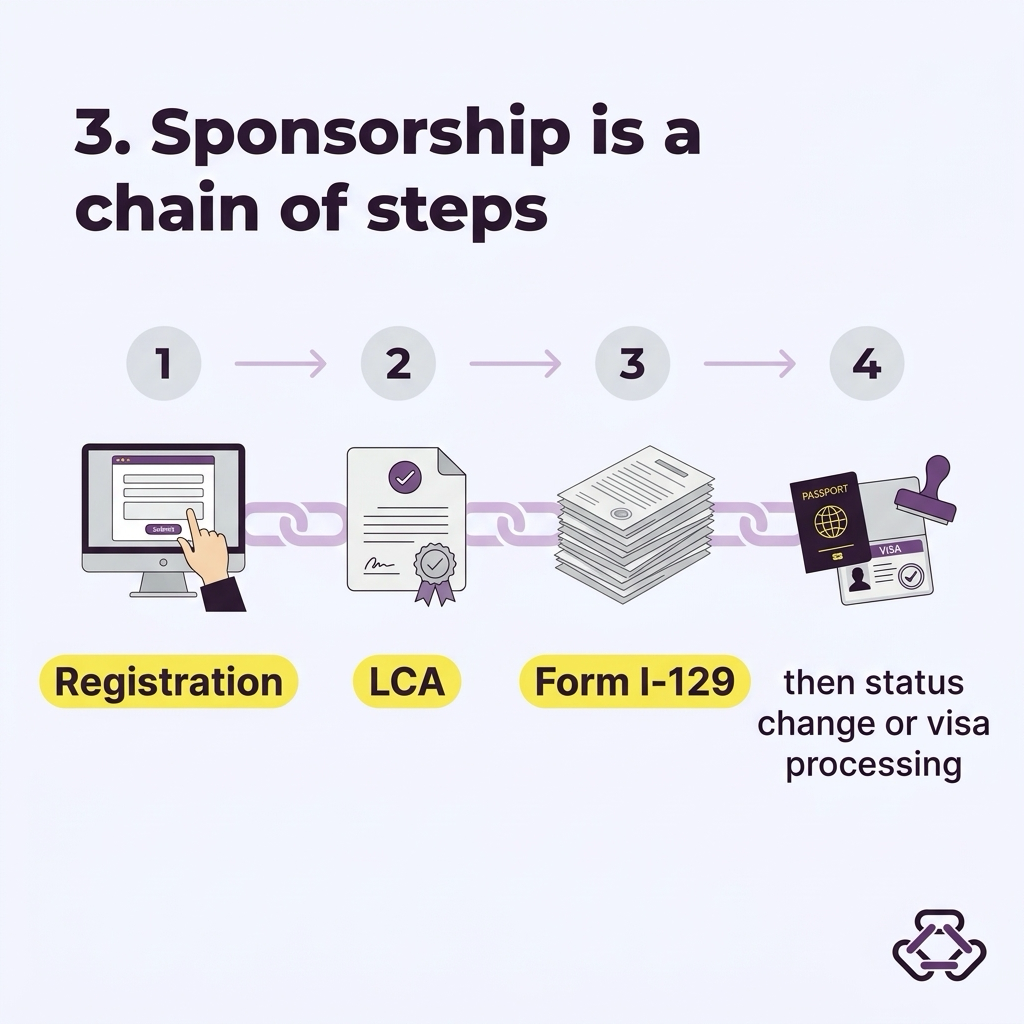
A lot of people hear “my company will sponsor me” and assume that means one form and one filing fee. In reality, sponsorship often involves a chain of steps.
For H-1B cases, that chain usually includes:
The H-1B Registration Process
For cap-subject H-1B cases, the employer generally begins with an electronic registration. USCIS announced that the FY 2026 initial registration period opened at noon Eastern on March 7, 2025 and ran through noon Eastern on March 24, 2025. USCIS also states that the selection system is now beneficiary-centric, a change aimed at reducing duplicate filings tied to the same person. See USCIS’s FY 2026 cap announcement and the agency’s registration process page.
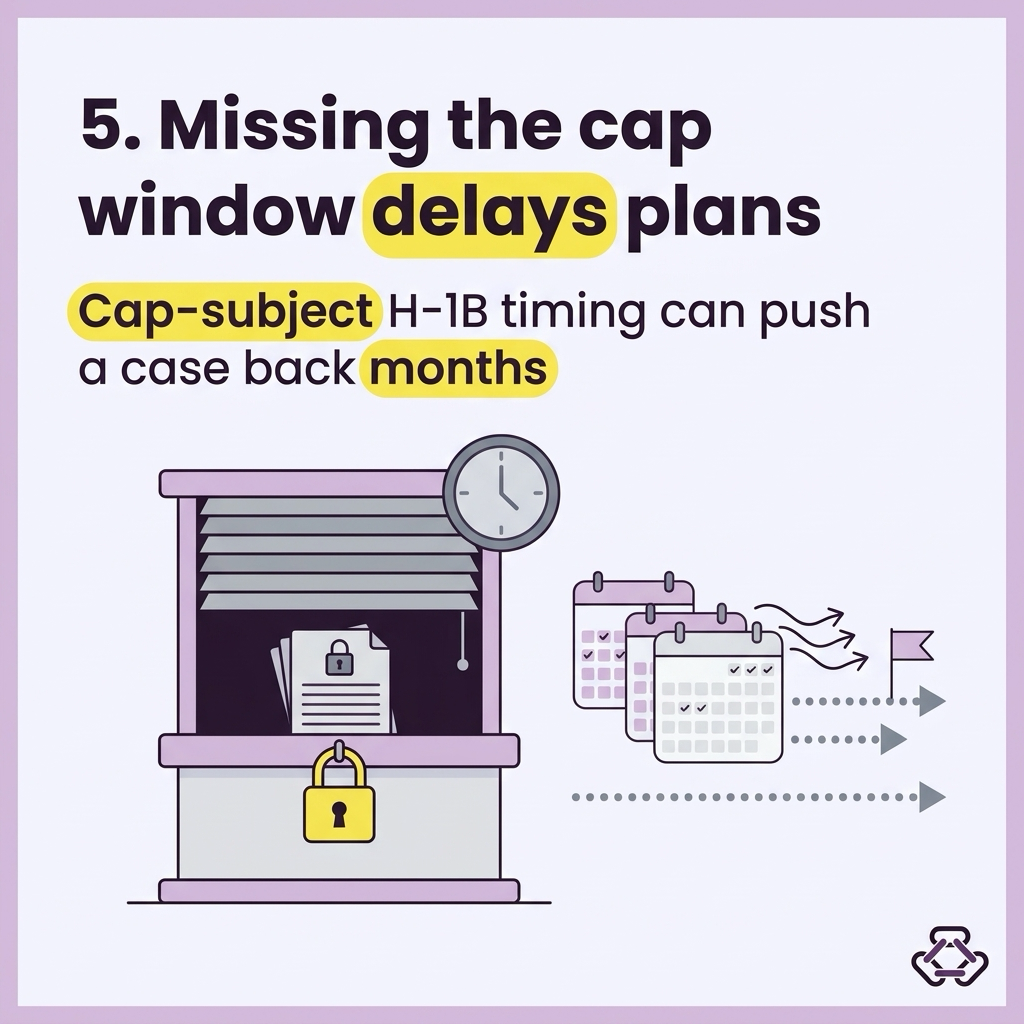
That timing matters because if an employer misses the registration window for a cap-subject case, the person may be looking at a delay of many months unless a cap-exempt route or another visa category applies.
The Labor Condition Application
Before filing the H-1B petition itself, the employer generally files a Labor Condition Application (LCA) with the U.S. Department of Labor. According to the Department of Labor, the required wage must be the higher of the actual wage paid to similarly qualified workers or the prevailing wage for the occupation in the area of intended employment. The LCA also includes attestations about working conditions and notice requirements. The Department notes that LCAs are ordinarily reviewed within seven working days for completeness and obvious errors, and that they cannot be filed more than six months before the intended employment start date. See the Department of Labor’s LCA program page.
This step often creates issues around remote work, multiple office locations, third-party placements, and wage level selection.
The Form I-129 Petition
After the registration selection, if required, and after LCA certification, the employer files Form I-129 with USCIS. As USCIS explained when the H-1B modernization rule took effect on January 17, 2025, a revised edition of Form I-129 became mandatory on that date, with no grace period for older editions. See USCIS’s January 2025 announcement.
The petition package usually includes evidence about the employer, the offered job, the wage, the worksite, and the worker’s qualifications.
Possible Visa Stamping Or Change Of Status
If the worker is already in the United States in another status, the petition may request a change of status. If the worker is outside the United States, or later needs a visa foil to reenter, that part usually goes through a U.S. consulate.
Why Timing Shapes The Whole Case
Work visa timing is not just about filing early. It is often about understanding which clock matters.
Here are a few of the timelines that frequently shape outcomes:
Annual Cap Timing
Many H-1B cases are subject to the annual cap. The statute allows 65,000 regular cap numbers plus 20,000 additional numbers under the U.S. advanced degree exemption, as summarized by the Department of Labor. Because registrations happen before full petitions, missing the registration season can shift a case significantly.
Employer Hiring Timelines
A company may want someone to start in two weeks, but a cap-subject H-1B case often does not work on that schedule. Even where premium processing is available through Form I-907, that speeds up USCIS adjudication of an eligible petition; it does not erase the registration calendar or other structural limits. See USCIS’s premium processing page and USCIS’s premium processing guidance.
F-1 To H-1B Timing
For many international students, timing issues show up in the transition from F-1 Optional Practical Training to H-1B. USCIS describes a cap-gap extension framework for eligible students in certain circumstances, which can temporarily extend status and work authorization while the H-1B case is pending through the start of H-1B status. See USCIS’s cap-gap guidance.
Job Loss Timing
USCIS says many nonimmigrant workers, including H-1B workers, may receive up to a 60-day grace period following cessation of employment or until the end of their authorized validity period, whichever is shorter. USCIS also notes that an eligible H-1B worker may begin work with a new employer once that employer properly files a nonfrivolous H-1B petition, rather than waiting for approval, if portability requirements are met. See USCIS’s guidance on options after termination and USCIS’s H-1B page.
This is one area where practical timing and legal timing can diverge. A person may be interviewing, negotiating severance, dealing with payroll cutoffs, or waiting on receipt notices while the immigration clock keeps moving.
If that’s part of your situation, this article on changing employers without creating status problems goes deeper into portability and transitions.
Why Employers Control So Much Of The Process
One of the biggest sources of confusion is that the foreign worker is the person whose life is affected, but the employer often controls the filing. That can create tension.
For example, the employer usually controls:
- whether to register for the H-1B cap
- how the job is described
- what degree fields are listed as qualifying
- what wage level is chosen
- whether remote or hybrid work is properly covered
- whether an amendment is filed after a material job change
- whether a petition is upgraded to premium processing
Under the 2025 H-1B modernization rule, USCIS also emphasized integrity measures, including the requirement that the petitioner establish it has a bona fide specialty occupation position available as of the requested start date, and that the LCA properly supports the petition. See USCIS’s modernization announcement.
In practical terms, even a very qualified worker can run into problems if the employer’s documentation is thin, inconsistent, or late.
Are All H-1B Cases Subject To The Lottery?
No. Some employers are cap-exempt, meaning they may file qualifying H-1B petitions without going through the annual cap lottery. USCIS explains that certain institutions of higher education, nonprofit entities related to or affiliated with such institutions, nonprofit research organizations, and governmental research organizations can qualify for cap-exempt treatment under the rules described on USCIS’s H-1B materials and in the agency’s 2025 modernization materials.
This matters because the strategy for a university researcher, teaching hospital employee, or nonprofit research worker may look very different from the strategy for a software engineer joining a private startup.
What Happens If The Job Changes?
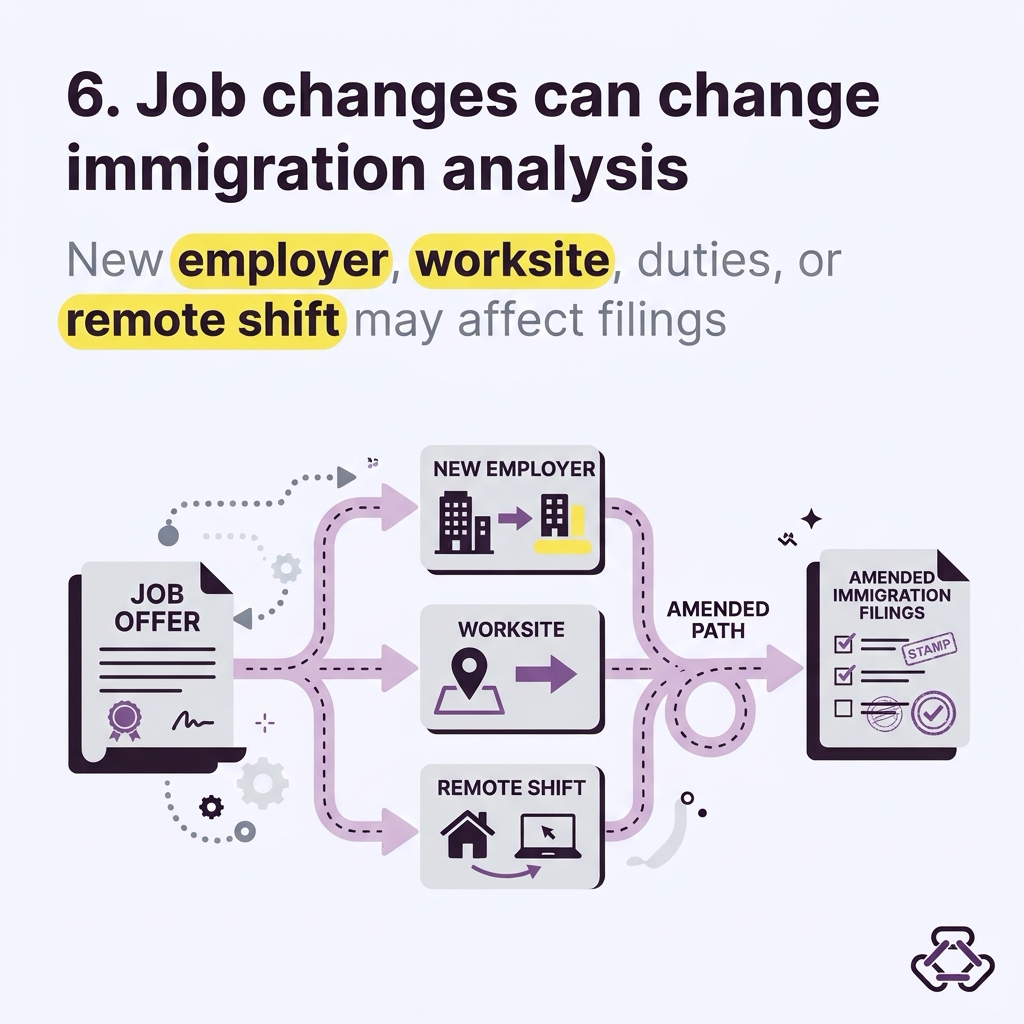
A work visa case is built around a specific job offer. So when the job changes, the immigration analysis may change too.
That could include:
- a new employer
- a new worksite
- a major change in duties
- a significant salary change
- a move from in-office to remote work
- corporate restructuring, merger, or acquisition
USCIS states that H-1B portability can allow some workers to start with a new employer once the new employer properly files the petition. USCIS also separately explains job portability for certain employment-based adjustment of status applicants whose Form I-485 has been pending 180 days or more, allowing a move to the same or similar occupational classification in some cases. See USCIS’s H-1B page, USCIS’s termination options page, and USCIS’s portability policy manual chapter.
People often use the word “transfer” loosely here, but legally the details matter. An H-1B transfer is generally not a government form called “transfer”; it is typically a new employer petition relying on portability rules. Green card portability is a separate concept with different timing and standards.
What Are The Most Common Risk Points?
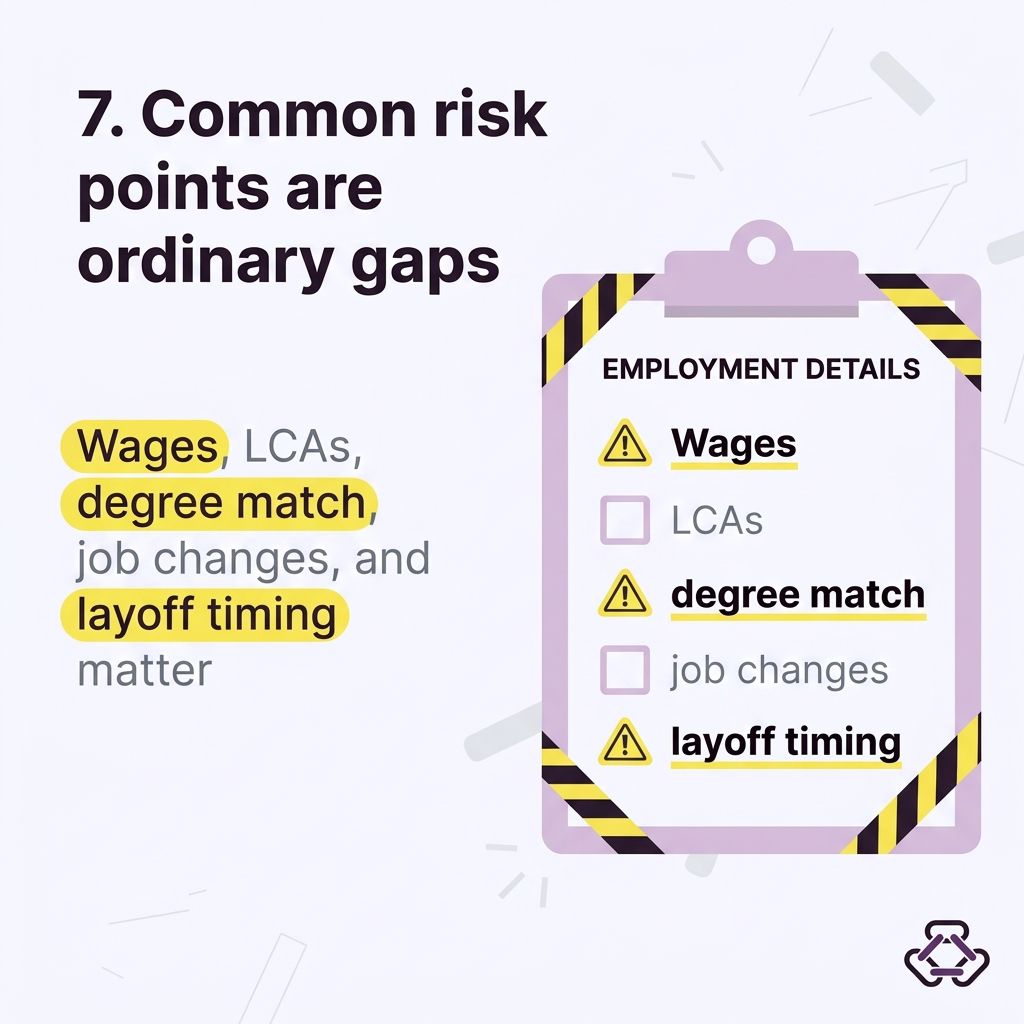
A lot of work visa problems do not come from dramatic fraud allegations. They come from ordinary gaps between the real job and the filed case.
Some common examples include:
Wage And LCA Issues
If the wage level, worksite, or notice requirements are mishandled, that can create both immigration and labor compliance problems. The Department of Labor makes clear that the LCA contains wage and working-condition attestations, not just administrative information.
Specialty Occupation Mismatches
After the January 17, 2025 modernization rule, USCIS’s scrutiny of whether the degree field is directly related to the job duties became even more important. A broad or vague degree requirement may draw closer review, based on USCIS’s final rule announcement.
Unreported Job Changes
Employers and workers sometimes assume a promotion, team change, relocation, or remote-work shift is just an HR matter. Sometimes it is. Sometimes it also changes the immigration filing posture.
Timing Gaps After Layoffs
Receipt notices, final pay dates, severance arrangements, and grace period calculations do not always line up neatly. USCIS’s termination guidance is a useful starting point, but individual facts can change the analysis.
For a more issue-spotting approach, this post on common mistakes that can put status at risk may help identify where cases often go sideways.
How Do Employers And Workers Prepare A Stronger Filing Record?
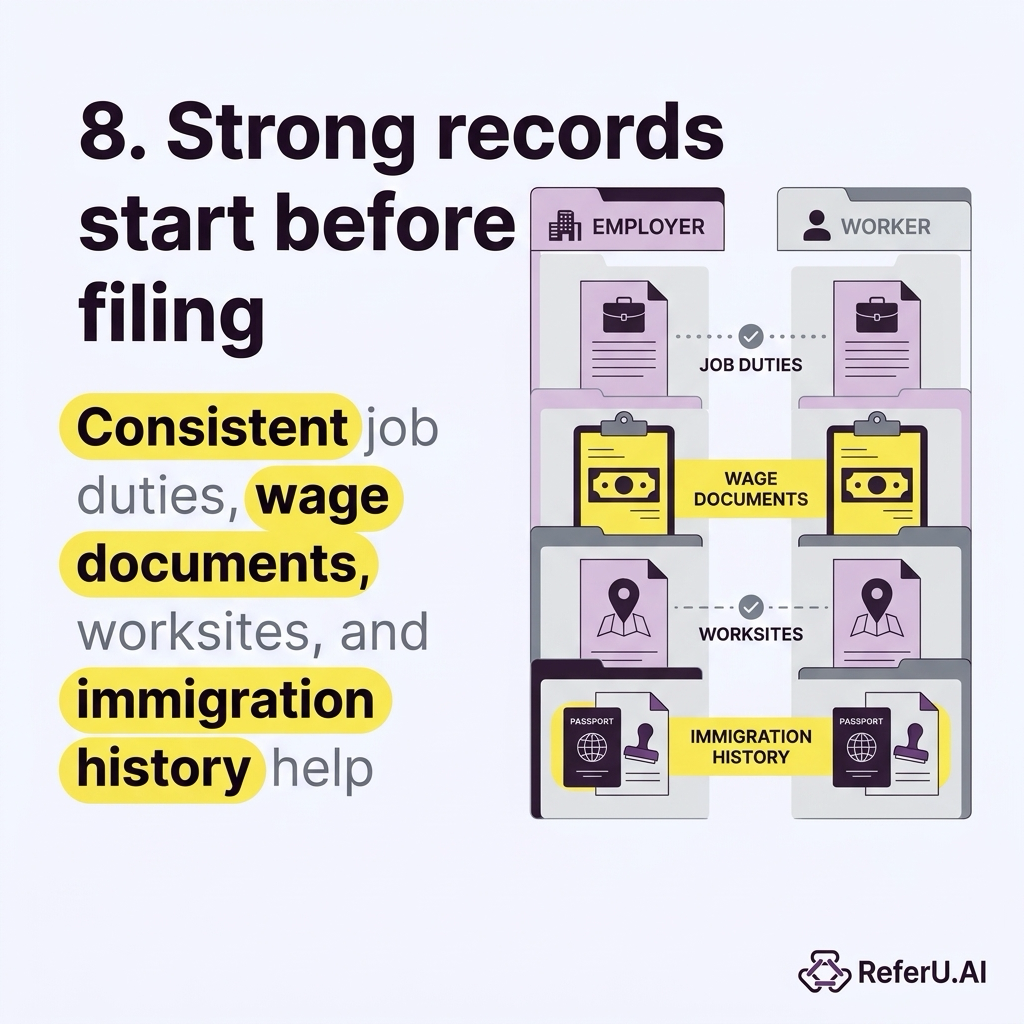
A smoother filing often starts long before the petition goes out the door. In many cases, the strongest records are built when the legal team, employer, and worker are all working from the same facts.
Preparation often includes:
- accurate job duties, not recycled job descriptions
- clean organizational charts
- consistent degree requirements
- a realistic worksite plan
- wage documents that match the offered role
- immigration history organized by status, dates, and prior filings
- transcripts, evaluations, licenses, and prior approval notices gathered early
This is one reason some people spend weeks fixing issues that could have been clarified at the outset. If you’re trying to understand the logistics of gathering documents and aligning the employer story with the worker story, this walkthrough on getting ready for an H-1B or sponsorship case may be useful.
What Questions Do Foreign Professionals Ask Most Often?
The recurring questions tend to be remarkably similar:
- Can I move to a new employer?
- What if I am laid off?
- Can I work remotely?
- Does my degree match the job closely enough?
- What if my employer says they will sponsor me later?
- How long does it take?
- Can premium processing fix the timing problem?
- What happens if I travel?
Those questions often share a common theme: the immigration status may depend on details that look minor from the outside. That is why generic advice from social media, coworkers, or even HR alone can leave important blind spots. If you want a practical Q&A style resource, this article covering the questions foreign professionals ask most often about sponsorship adds more context.
Why Attorney Fit Matters In Employer-Sponsored Immigration
Employer-sponsored immigration cases can look routine until they aren’t. A case may involve an H-1B registration issue, a specialty occupation question, a remote-work amendment problem, a layoff during the grace period, or a job-change strategy that overlaps with a pending green card case.
That doesn’t always call for the same kind of lawyer.
Some attorneys focus heavily on corporate immigration compliance. Others spend more time on individual strategy around status changes, portability, consular timing, RFEs, or employment-based green card transitions. In situations involving layoffs, amended petitions, startup founders, third-party placements, or hybrid work models, documented experience in highly similar matters can be especially relevant.
In general terms, people often feel more confident when the attorney’s fit is based on evidence rather than advertising language. That may include experience reflected in court records, case types, filings, and fact patterns similar to the one at hand.
Final Thoughts On H-1B, Sponsorship, And Timing
Work visas are often described as if they are simple eligibility checklists. In reality, they are frequently employer-driven legal processes shaped by timing, documentation, and compliance details. H-1B is the clearest example: the employer usually controls the registration, the LCA, the petition, the job framing, and often the pace of the process. A person may be fully qualified and still run into trouble if the filing strategy, timing, or employer documentation does not line up.
That is also why legal help in this area is often less about broad immigration theory and more about case-specific fit: the right attorney for a startup founder case may not be the same attorney for a university cap-exempt filing, a transfer after a layoff, or a specialty occupation RFE.
Visit ReferU.AI to get matched with an attorney who has demonstrable experience in cases like yours — for free.


